Water is one of those things we rarely think about until something seems wrong. We turn on the tap, fill a glass, cook dinner, or make a cup of tea without giving much thought to where that water came from. It feels ordinary, dependable, and safe. But the quality of household water can vary considerably depending on its source, the condition of local pipes, and the treatment it receives before reaching our homes.
Understanding what comes out of your tap doesn’t require a background in chemistry. A little knowledge, a few sensible precautions, and occasional testing can make a real difference. More importantly, they can help you make informed decisions instead of spending money on products you might not need.
The Water in Your Glass May Have a Longer Journey Than You Think
Before reaching your kitchen, water may travel through reservoirs, treatment facilities, underground pipelines, storage tanks, and the plumbing inside your building. Each stage plays a role in determining its final quality.
Municipal treatment plants generally use established processes to reduce harmful microorganisms and other unwanted substances. However, water can sometimes pick up impurities after treatment, particularly when distribution pipes are damaged, household plumbing is old, or storage tanks aren’t cleaned regularly.
This is why water that meets safety standards at a treatment facility may not always have identical characteristics by the time it reaches your tap. The risk varies by location, infrastructure, and maintenance.
Private wells present different challenges. Their water quality depends heavily on local geology, nearby agricultural activity, drainage systems, and other environmental factors. Unlike public supplies, private wells may not be routinely monitored by a water utility, making regular testing especially important.
Understanding What’s Actually in Your Water
Not every substance found in water is dangerous. Minerals such as calcium and magnesium occur naturally and contribute to hardness. In fact, these minerals are common in many groundwater sources and can leave white deposits on taps, kettles, and bathroom fixtures.
The concern arises when water contains substances at harmful concentrations or carries microorganisms capable of causing illness. Potential water contaminants include bacteria, nitrates, certain heavy metals, pesticides, and industrial chemicals. Which ones matter most depends on the water source and surrounding environment.
For example, a home relying on groundwater near agricultural land may need to pay particular attention to nitrate levels. Older plumbing, meanwhile, can raise concerns about lead or other metals, depending on the materials used. Water near industrial sites may require investigation for specific chemicals associated with local activities.
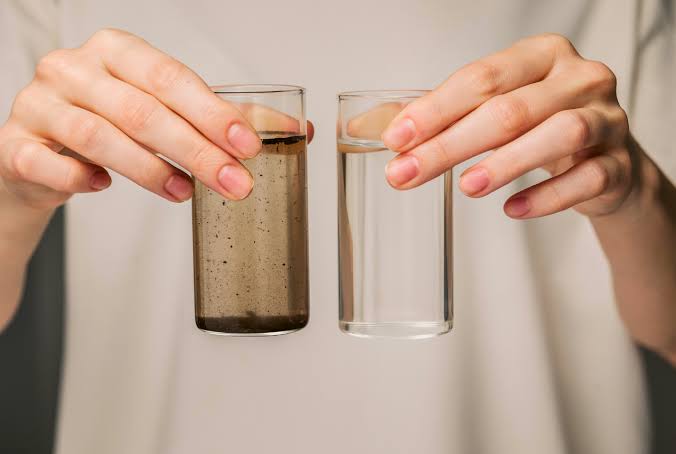
Appearance alone doesn’t tell the whole story. Clear water can contain substances that aren’t visible, while cloudy water may result from harmless air bubbles or suspended particles. An unusual smell, metallic taste, or sudden change in colour deserves attention, but the absence of these warning signs doesn’t guarantee safety.
Why Testing Is Worth the Effort
Many homeowners assume that if their water tastes fine, there’s nothing to worry about. It’s an understandable assumption, especially when the water has seemed normal for years. Unfortunately, taste and smell aren’t reliable indicators of every potential problem.
A professional water test can identify specific issues and provide a clearer picture of what’s happening. Depending on your circumstances, testing may include pH, hardness, total dissolved solids, microbial contamination, nitrates, or selected metals and chemicals.
The right testing panel matters. A basic home kit might help identify certain characteristics, but it won’t necessarily detect every substance of concern. If you’re using a private well, have experienced flooding, or live in an area with known groundwater problems, a certified laboratory can offer more dependable information.
It’s also sensible to test after major plumbing repairs, a change in water source, or a noticeable shift in water quality. Well owners should follow local public-health guidance on testing frequency, particularly for bacteria and nitrates.
Reading a Water Report Without Feeling Overwhelmed
Once the results arrive, don’t let unfamiliar terminology put you off. A water report is essentially a record of what was measured, the levels detected, and how those results compare with relevant standards or recommended limits.
Start with the substances listed in the report and check their measured concentrations. Pay attention to the units, which may include milligrams per litre (mg/L), micrograms per litre (µg/L), or other measurements. Comparing numbers without checking the units can lead to confusion.
If the report identifies a result above a recognised health-based limit, contact the laboratory or an appropriate water-quality professional to understand what it means and what action is needed. For municipal supplies, the local water provider may publish annual quality information or provide guidance about reported problems.
Remember, not every flagged result indicates an immediate health emergency. Some findings relate to taste, odour, staining, or plumbing performance rather than direct health risks. Still, results shouldn’t be dismissed simply because the water looks normal. When in doubt, seek clarification from a qualified professional.
Choosing a Water Treatment System That Makes Sense
After testing, you may discover that your water needs no additional treatment at all. That’s good news. If a problem is identified, the next step is to select a system designed specifically to address it.
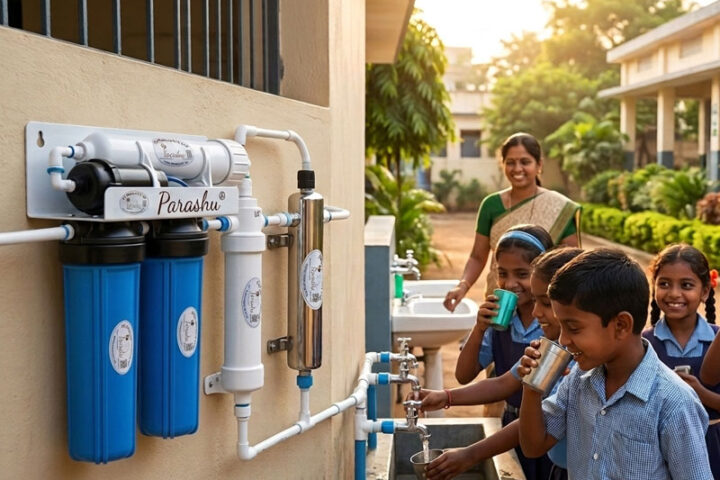
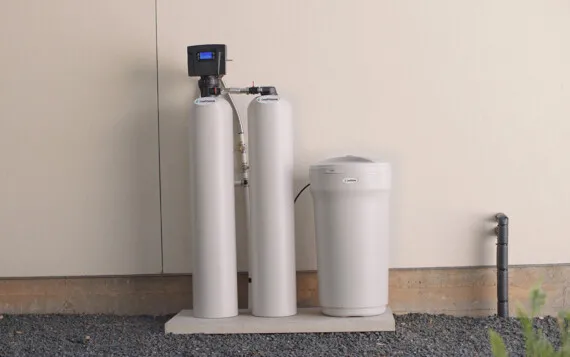
Different technologies solve different problems. Sediment filters can reduce suspended particles, while activated carbon filters can improve taste and odour and reduce certain chemicals. Reverse osmosis systems can remove many dissolved substances, although their effectiveness depends on the system design and the contaminants involved. Ultraviolet treatment can help inactivate microorganisms when the system is properly selected and maintained.
The key is matching the technology to the test results. Buying the most expensive unit doesn’t automatically mean you’re getting the safest water.
When comparing products, look for independent performance certifications and clear information about which substances a system reduces. Check replacement-filter costs, maintenance schedules, water waste, and whether the system is suitable for your household’s daily needs.
Proper installation matters, too. A poorly maintained filter can lose effectiveness, and some treatment methods require additional safeguards to ensure water remains safe. For this reason, purified water should never be treated as a guarantee of quality simply because it has passed through a filter. The result depends on the original water, the treatment method, and how well the equipment is maintained.
Small Habits That Help Protect Your Household
Water safety isn’t just about equipment. Everyday maintenance matters more than many people realise.
Clean household storage tanks according to local recommendations, inspect plumbing for leaks, and replace filters when the manufacturer advises. If water has been sitting in pipes for an extended period, follow local guidance about flushing taps before use, especially in buildings with older plumbing.
If your water suddenly develops an unusual colour, smell, or taste, contact your supplier or relevant local authority. Don’t assume that boiling will solve every problem. Boiling can kill many disease-causing microorganisms, but it doesn’t remove heavy metals, salts, or most chemical contaminants; in some cases, it can concentrate them.
Households with infants, older adults, or people with weakened immune systems should be particularly careful about following relevant public-health advice when contamination is suspected.
Making Water Quality Part of Everyday Home Care
Safe water shouldn’t feel like a luxury. It’s a basic part of a healthy home, yet protecting it often comes down to paying attention to details that are easy to overlook.
Start by learning where your water comes from and checking whether your supplier publishes quality information. If you use a private well, arrange appropriate testing instead of relying on appearance or taste. When a problem is confirmed, choose treatment based on evidence rather than advertising claims.
There’s no need to become anxious about every glass of water. A practical approach works better: understand the source, test when appropriate, maintain your plumbing, and ask questions when something changes. Those simple steps can help you protect your household, avoid unnecessary expenses, and feel more confident about the water you use every day.