Category: Technology

  • How NZ SEO Agencies Are Getting Ready for AI-Powered Search in 2026

    How NZ SEO Agencies Are Getting Ready for AI-Powered Search in 2026

    The conversation about AI’s impact on search has been going on long enough that it’s easy to become numb to it — another prediction, another think piece, another “the future of SEO is…” headline that doesn’t quite match what’s actually happening in practice. But in New Zealand’s digital marketing community, the conversation has shifted from speculation to preparation. The agencies that will still be relevant in two or three years are actively rebuilding how they think about content, authority, and visibility. The right seo agency new zealand in 2026 isn’t just the one doing traditional SEO competently. It’s the one that has a coherent answer to how they’re preparing clients for AI-influenced search environments. The best seo agency new zealand conversations happening right now are less about keyword rankings and more about how to make a brand the authoritative answer to the questions its customers are asking.

    Here’s what that preparation actually looks like.

    What AI-Powered Search Means for New Zealand Brands

    New Zealand presents an interesting case study in AI search impact. The market is small enough that competitive dynamics move quickly — a few brands establishing strong AI search visibility in a category can shift market share meaningfully without the diffusion effects that cushion competitive changes in larger markets. And the relative sophistication of NZ digital consumers means adoption of AI search tools like Perplexity and Google’s AI Overviews has been reasonably strong.

    The practical implication for NZ brands: if your content isn’t being cited in AI-generated responses for queries your customers are asking, and your competitors’ content is, you’re losing visibility in a channel that’s growing faster than any other format in search right now.

    The good news is that most NZ businesses haven’t yet made serious investments in AI search optimization. The window for early advantage is genuinely open.

    What the Agencies Preparing Well Are Doing

    The NZ agencies taking this seriously are focused on a few specific capabilities that distinguish AI-ready SEO from conventional approaches.

    Entity optimization is one of the foundations. Language models build their understanding of brands and businesses from structured and unstructured signals across the web — Wikipedia entries, consistent business information across directories, structured data on websites, brand mentions in credible publications, and the coherent identity built up over time across multiple sources. Agencies preparing for AI search are auditing and improving entity consistency for their clients as a systematic priority.

    Content architecture is the other major shift. The traditional SEO content architecture — keyword research, topic clustering, on-page optimization — still matters, but it’s being supplemented by question-oriented content development. What specific questions are your target customers asking? Which of those questions don’t currently have great answers on your site? Building content that directly and authoritatively answers those questions — with real depth, genuine expertise, and clear sourcing — is the preparation for AI search visibility.

    The agencies doing this well aren’t abandoning traditional best seo agency new zealand. They’re layering AI-specific optimization on top of it.

    The Content Credibility Challenge

    One of the harder things about preparing for AI search is that language models have reputations for being cited. Brands that are already recognized as authoritative sources — that have been around for a while, that have accumulated credible mentions across the web, that have demonstrated expertise over time — have an advantage in AI-generated responses.

    New brands and less-established players face a credibility gap that takes time to close. The agencies helping NZ clients navigate this are focused on accelerating credibility signals: earning placements in New Zealand’s credible media landscape (NZ Herald, RNZ, Newsroom, industry publications), building author profiles that demonstrate genuine expertise, producing original research and data that earns citations, and ensuring that wherever the brand appears online it’s represented consistently and credibly.

    This is fundamentally a trust-building program, not just a content production program. The distinction matters.

    Local Search and AI in the NZ Context

    For NZ businesses with physical locations or service areas, AI search introduces a new dimension to local visibility. When someone asks Google AI Overview or Perplexity “where’s a good plumber in Wellington” or “what are the best cafes near Ponsonby,” the response draws on signals about local business quality, authority, and relevance that overlap with but don’t fully duplicate traditional local SEO factors.

    The NZ agencies building comprehensive local AI search preparation are combining traditional GMB optimization with the content authority and entity optimization work described above. The brands that win local AI search citations tend to be those with strong GMB profiles, credible review ecosystems, local press coverage, and content that demonstrates genuine local expertise — not just location pages with keyword-stuffed descriptions.

    Measurement and Expectation Setting

    One of the harder conversations in AI search preparation is around measurement. Traditional SEO has established measurement frameworks — rankings, traffic, conversions. AI search visibility is harder to measure systematically, especially in a market the size of New Zealand where data volume is lower and tools built for US and UK market scale don’t always produce reliable signals.

    The agencies being honest with clients are setting expectations about this measurement challenge while still defining proxy metrics that provide useful directional signal: brand mention monitoring in AI-generated responses, Share of Voice analysis in relevant query categories, and tracking whether organic traffic from question-oriented content is growing as a proportion of total organic.

    Perfect measurement will lag behind adoption of the channel by a year or more. That’s uncomfortable for clients who need to justify investment. The right response is to be honest about the uncertainty while making the case for early preparation based on the trajectory of the channel.

    The NZ agencies getting this right aren’t waiting for perfect measurement tools. They’re building the foundations now.

  • Experience Power and Innovation with the MacBook Pro 14

    Experience Power and Innovation with the MacBook Pro 14

    Apple continues to push the boundaries of performance and innovation with its cutting-edge lineup of laptops. The MacBook Pro 14 stands out as a perfect blend of power, efficiency, and sleek design, making it an ideal choice for professionals, creatives, and tech enthusiasts. Whether you’re a video editor, software developer, or business professional, the MacBook Pro 14 delivers unparalleled performance to handle intensive tasks with ease.

    Why Choose the MacBook Pro 14?

    The MacBook Pro 14 is designed to cater to demanding users who require high-speed performance and top-tier efficiency. With Apple’s powerful M-series chips, stunning Retina display, and industry-leading battery life, this laptop ensures seamless multitasking and enhanced productivity.

    Key Features:

    • M3, M3 Pro, or M3 Max Chips: The latest Apple silicon guarantees faster processing speeds, improved graphics, and superior power efficiency.
    • Liquid Retina XDR Display: Enjoy stunning visuals with high brightness, deep contrasts, and true-to-life colours, making it perfect for creative work.
    • Extended Battery Life: Work for hours without worrying about recharging, thanks to the MacBook’s advanced power management.
    • MagSafe Charging & More Ports: Experience faster charging and enhanced connectivity with Thunderbolt 4, HDMI, and an SD card slot.

    The Ultimate Apple MacBook Experience

    Apple’s MacBook lineup has long been the gold standard for laptops, offering top-tier build quality, macOS efficiency, and an intuitive ecosystem. Whether you opt for the MacBook Pro 14 or other models, you can expect unparalleled performance and long-term reliability.

    The Apple MacBook is a favourite among professionals for its seamless user experience and robust software support. Its integration with other Apple devices, such as the iPhone and iPad, ensures smooth workflow transitions, making it an essential tool for both personal and professional use.

    Choosing the Right MacBook for Your Needs

    Apple offers a variety of MacBook models to suit different user requirements. While the MacBook Pro 14 is designed for power users, those seeking a lightweight and portable option may consider the MacBook Air. However, if you need maximum performance for video editing, coding, or gaming, the MacBook Pro 14 is the best choice.

    Where to Buy Your MacBook

    For those looking to purchase an Apple MacBook, choosing an authorised premium reseller ensures you get genuine products, expert guidance, and exclusive offers. iPlanet, a trusted Apple Premium Partner, provides a seamless buying experience with personalised support and the latest MacBook models in stock. Whether you’re upgrading your current device or purchasing your first MacBook, iPlanet guarantees a premium shopping experience.

    Upgrade to the Best with iPlanet

    If you’re ready to invest in an industry-leading laptop, explore the MacBook Pro 14 and other Apple MacBook models at iPlanet. With competitive pricing, financing options, and expert customer support, iPlanet ensures you get the best value for your investment. Visit an iPlanet store or shop online to experience the future of computing with Apple.

    Stay ahead with Apple’s latest technology and enhance your productivity with the power of the MacBook. Choose innovation; choose iPlanet.

  • The Future of Radar Testing in Emerging Technologies

    The Future of Radar Testing in Emerging Technologies

    Every day, technology edges closer to redefining how we interact with the world, and radar systems are playing a larger role than many people realize. From autonomous vehicles to smart home devices, radar significantly influences modern innovation through its ability to detect, measure, and track objects. But how do we ensure these systems are reliable and effective? That’s where the science of radar testing comes in. For emerging technologies, radar testing is not just a step in the development process; it’s a gateway to precision, safety, and functionality.

    Radar Testing in Everyday Innovations

    Radar technology goes beyond weather forecasting or tracking aircraft; it is rapidly embedded in everyday devices we rely on. Think of collision-detection systems in modern vehicles or motion-sensing devices in homes that seem to “know” when someone is there. These applications are possible because radar can penetrate environments with unparalleled accuracy. However, testing these systems to ensure their accuracy and performance is crucial to prevent malfunctions or misreadings in these critical-use cases.

    Why Radar Testing Matters for the Future

    Radar technologies are no longer static. They evolve with trends like 5G networks, artificial intelligence (AI), and the Internet of Things (IoT). For example, in the automotive industry, radar systems equipped in self-driving cars must have highly precise testing to guarantee they can safely operate in real-world scenarios, like distinguishing between a cyclist and a parked vehicle. Without radar testing, these systems could fail when people’s lives depend on them working seamlessly.

    Challenges in Radar Testing

    Despite its importance, radar testing isn’t as straightforward as running a simple diagnostic. One challenge lies in replicating real-world environments accurately. Testing must take into account factors like weather, obstacles, and interference from other devices. For example, replicating the behavior of radar waves in a cluttered environment demands careful calibration and special equipment. Many companies like MilliBox provide radar testing solutions to tackle these challenges by introducing testing environments that allow technologies to adapt and thrive under real-world conditions.

    How Radar Testing is Redefining Industries

    Radar testing isn’t just supporting innovation; it’s reshaping industries:

    • Healthcare is using radar for early detection medical devices that can monitor vital signs.
    • Security systems rely on radar testing to improve surveillance equipment that distinguishes between animals and intruders.
    • Smart cities incorporate radar to make traffic management efficient by monitoring vehicle movements in real time.

    These industries share a common goal—enhanced precision made possible through advanced radar testing methods.

    Emerging Trends to Watch

    The future holds exciting possibilities for radar technology. One trend includes radar’s role in wearable devices, allowing fitness trackers to measure heart signals with exceptional accuracy. Another promising development is how radar works in concert with AI, expanding its potential to recognize complex patterns in data like foot traffic in smart stores. Innovations like testing setups lay the groundwork for these technologies by offering reliable environments that encourage cutting-edge advances.

    The Broader Impact of Quality Radar Testing

    When radar testing is done correctly, it promotes trust in new technologies. For example, ensuring safety in an autonomous car isn’t merely about detecting objects; it’s about the responsibility of adopting the safest, most precise technologies for public use. Furthermore, reliable radar helps streamline energy consumption, resulting in eco-friendly innovations.

    Conclusion

    The future of radar technology relies on trusted, precise, and forward-thinking testing to ensure these innovations fulfill their potential. From creating safe roads with autonomous vehicles to enabling lifesaving medical advancements, radar testing is the unsung hero driving progress. By refining this technology and addressing its challenges, radar will continue to revolutionize how humans interact with their world, shaping a future that is smart, safe, and filled with possibility.

  • The Impact of Antenna Design on OTA Test Costs: Optimizing for Affordability

    The Impact of Antenna Design on OTA Test Costs: Optimizing for Affordability

    Antenna design plays a pivotal role in modern communication technology, affecting everything from device performance to manufacturing expenses. One area where its influence is strongly felt is in Over-the-Air (OTA) testing—a process used to ensure devices operate as intended when communicating wirelessly. While OTA testing is essential for quality assurance, it can also represent a significant cost for companies. How antenna design choices are made can have a surprising impact on those costs, creating opportunities to save without sacrificing performance.

    Here, we break down how antenna design affects OTA testing costs, and why optimizing your design is critical for improving affordability.

    What is OTA Testing?

    Before we discuss the design decisions, it’s important to understand the basics of OTA testing. This process evaluates how well a device’s antenna performs when it’s transmitting or receiving signals wirelessly. Think of your smartphone, tablet, or even a smart thermostat; these devices rely on antennas to remain connected to networks, whether it’s Wi-Fi, Bluetooth, or 5G. OTA testing ensures antennas function properly in real-world conditions, such as when your phone is in your pocket or there’s interference from nearby electronics.

    Such tests are conducted in controlled environments like labs, often using specialized chambers that simulate various scenarios. Naturally, these setups require advanced equipment, precision, and significant time, all of which contribute to testing costs.

    Why Antenna Design Can Drive Costs

    At first glance, it might seem like antenna testing costs are determined solely by the equipment or facility being used. However, the antenna’s design is just as influential. Poorly optimized or overly complex antenna designs can extend testing procedures and increase costs.

    For example, antennas designed for multiple frequency bands—useful for supporting several connection types—might require additional measurements or custom test setups compared to single-band designs. Similarly, irregularly shaped antennas could demand custom scripts or rotations during testing to capture all performance data. The more intricate the design, the more thorough (and expensive) the testing process becomes.

    The Trade-Off Between Performance and Testability

    There’s no questioning the importance of high-performance antennas. They ensure your devices work as promised, delivering fast downloads, clear calls, or reliable connections. However, pushing the limits of performance often requires advanced designs, which, in turn, increase the complexity—and cost—of OTA testing.

    A good example is when manufacturers are designing antennas for Sub-THz frequencies, which are emerging as a cutting-edge solution for ultra-high-speed communication. These antennas offer extraordinary performance but also demand rigorous and detailed testing to confirm they meet compliance and efficiency standards. You can click here for more information about specialized platforms that can help streamline this process.

    Simplifying Design for Cost Reduction

    To reduce OTA testing costs while maintaining product quality, design simplification can be a practical strategy. Here’s where collaboration between designers and testing teams becomes vital. By understanding how their choices influence test times and procedures, designers can remove unnecessary complexities, ensuring a smoother path during testing.

    For instance, aligning the antenna’s operating frequencies with well-established testing protocols can minimize the need for extra evaluations. Additionally, reducing physical asymmetry in the design—a common hurdle in testing—streamlines measurement setups, saving both time and resources.

    Materials and Placement Matter

    The materials used in your antenna design and where the antenna sits within a device can also play a surprising role in cost optimization. Certain materials can absorb or reflect signals, affecting test outcomes and potentially requiring repeat measurements to confirm results. On the other hand, strategic placement within the product’s housing can enhance signal efficiency and reduce interference, requiring fewer adjustments during testing.

    Furthermore, designers should consider how material choices impact device durability and performance. Ensuring compatibility with testing conditions upfront reduces the need for redesigns, which are costly and time-consuming.

    Automation and Testing Optimization

    Another way to offset testing expenses is through automation. While not directly tied to antenna design, designing antennas with testing automation in mind can accelerate procedures and lower costs. Simplified geometries or standardized configurations enable automated systems to analyze the device more quickly and efficiently.

    Additionally, incorporating simulation tools during the design phase can help predict and address potential issues before physical testing even begins. This proactive approach reduces the likelihood of costly iterations later in the process.

    Driving Innovation Without Breaking the Bank

    At its heart, the relationship between antenna design and OTA testing costs demonstrates the importance of balance. Antennas must push boundaries to meet modern demands like 5G and IoT compatibility, but they must also be crafted with affordability and efficiency in mind. By taking a collaborative and forward-thinking approach, manufacturers can design antennas that are not only high-performing but also cost-effective to test and manufacture.

    With careful planning and smart design choices, companies can deliver innovative devices that connect our world while keeping costs under control. Optimizing antenna design for OTA testing is not just an operational necessity; it’s an opportunity to innovate smarter.

  • The Unseen Guardian: How Radar Testing Keeps Us Safe

    The Unseen Guardian: How Radar Testing Keeps Us Safe

    Every day, without even realizing it, our lives benefit from a technology that works tirelessly behind the scenes. Radar systems, or Radio Detection and Ranging technology, have become an integral part of our modern world. They help guide planes safely to their destinations, detect approaching storms, and even assist our cars with advanced safety features. But have you ever stopped to wonder how we ensure these systems work flawlessly? That’s where radar testing steps in—a quiet yet crucial process that helps keep everyone safe and sound.

    What Is Radar, and Why Does It Matter?

    Radar technology uses radio waves to detect and locate objects. By sending out signals and analyzing the echoes that bounce back, radar can measure distances, identify objects, and track their movements. It plays a role in countless industries, from air traffic control and weather forecasting to maritime navigation and even your car’s collision avoidance systems. Without radar, much of the safety and convenience we enjoy today would be compromised.

    The Unsung Heroes of Safety

    Whenever radar systems are deployed, they need to be reliable. Imagine an airplane’s radar failing to notice another aircraft nearby, or a weather radar misinterpreting a severe storm’s magnitude. Such scenarios could have catastrophic consequences. That’s where radar tests come into play. These tests ensure that radar systems are working accurately and effectively. Through careful and thorough examination, radar testing helps identify and fix any potential issues before they lead to problems.

    How Radar Testing Works

    Radar testing isn’t just a single process—it’s an extensive effort to evaluate and optimize radar systems. While the details vary depending on the application, the goal is always the same: to ensure radar systems perform as expected under real-world conditions. Engineers may simulate different scenarios, like objects moving at various speeds or weather changes, to see how well the radar responds. Using tools such as precision measurement equipment, they analyze how radar signals behave and make adjustments to fine-tune the system’s accuracy.

    For example, radar test setups often involve specialized chambers or environments that mimic actual operating conditions. These controlled tests allow engineers to push radar equipment to its limits and catch any weaknesses or areas for improvement.

    Everyday Lives Impacted by Radar Testing

    Though the term “radar testing” might sound abstract or niche, its impacts are tangible in everyday life. Take driving, for instance. Modern cars equipped with adaptive cruise control or automatic braking rely on radar systems to “see” vehicles ahead and maintain a safe distance. The rigorous testing these radar systems undergo ensures they perform seamlessly, protecting you and others on the road.

    Then there’s air travel—the lifeblood of a connected world. Air traffic control relies heavily on radar, working around the clock to monitor the skies and prevent collisions. The reliability of this system stems largely from radar testing, which ensures it functions without interruptions.

    Advances in Technology and Its Role in Radar Testing

    The continuous advancement of radar technology means there’s always more to test and improve. For example, the miniaturization of radar sensors has made it possible for them to be used in previously unimaginable ways, like drones or wearable devices. But with these new opportunities come new challenges. Testing these compact systems requires innovative approaches to account for their unique dynamics while maintaining the same high safety standards we’ve come to expect.

    Cutting-edge test environments and tools have made it possible to simulate highly complex scenarios. This allows engineers to predict emerging issues and address them before they become real-world problems. It’s a testament to the ongoing commitment to safety and precision in the radar testing process.

    Challenges in Radar Testing

    Radar testing isn’t without its challenges. One of the biggest hurdles involves mimicking real-world conditions in a controlled laboratory setting. Radar signals can behave differently depending on environmental factors like temperature, humidity, or even interference from other devices. Engineers must account for these fluctuations to ensure the final product works consistently in the unpredictable circumstances it may face.

    Another challenge involves keeping pace with evolving technologies. Radars today are becoming smarter, faster, and more versatile, but this also means testing becomes more complex. Staying ahead of these developments requires constant innovation and adaptation.

    A Safer World Through Radar Testing

    At its core, radar testing serves as an invisible shield—an unseen guardian that protects our lives every day. While most of us will never see the efforts that go into making radar systems dependable, we benefit from their reliability in countless ways. From safer highways to more efficient air travel, the effects of radar testing ripple through our lives, providing peace of mind and security.

    Without question, radar testing is one of those quiet, behind-the-scenes processes that deserves more recognition. The next time you enjoy a safe car ride or confidently track an approaching storm, you’ll know there’s a complex set of processes that made it all possible. Radar testing may operate in the background, but its impact on safety is front and center.

  • Navigating the Digital Landscape with Managed IT Services

    Navigating the Digital Landscape with Managed IT Services

    Businesses are constantly challenged to keep pace with technological advancements. Managed IT services have emerged as a strategic solution, enabling companies to focus on their core operations while experts handle complex IT functions. By outsourcing IT activities, businesses can harness the latest technologies and expertise without having to maintain a full-time, in-house IT department. This approach not only reduces costs but also enhances operational efficiency and mitigates risks associated with technological failures or security breaches.

    The Benefits of Managed IT Services

    One of the primary advantages of managed IT services is access to a team of skilled professionals who are well-versed in modern technology trends and cybersecurity threats. These experts provide continuous monitoring and support, ensuring that any potential issues are addressed swiftly, often before they can impact business operations. Furthermore, managed IT services offer scalability and flexibility, allowing businesses to adjust their IT resources according to specific needs and growth stages. This adaptability is particularly valuable for organizations aiming to expand or explore new markets, as it minimizes downtime and keeps systems operational during transitions.

    Enhancing Security and Compliance

    In an era where data breaches and cyber threats are increasingly sophisticated, maintaining robust security measures is paramount. Managed IT services prioritize cybersecurity, implementing advanced tools and protocols to safeguard sensitive information and ensure compliance with industry regulations. These service providers conduct regular security assessments, update systems with the latest patches, and educate employees about best practices in data protection. By doing so, they help organizations mitigate the risks of cyberattacks and maintain customers’ trust by protecting their personal and financial information.

    The Role of Managed IT in Driving Innovation

    Beyond ensuring security and operational efficiency, managed IT services play a crucial role in fostering innovation. With the burden of routine IT management lifted, companies can allocate additional resources to research and development initiatives. Managed service providers often bring fresh perspectives and insights into emerging technologies, helping businesses identify opportunities for innovation and differentiation. By leveraging the expertise of these providers, organizations can experiment with new applications, systems, or processes that might otherwise be too resource-intensive to explore independently.

    Integrating Managed IT for Seamless Operations

    Transitioning to managed IT services requires strategic planning and integration, ensuring that the shift enhances, rather than disrupts, existing operations. It is essential for businesses to partner with credible managed service providers like Megastream who understand their specific needs and objectives. A successful integration process involves a thorough assessment of the company’s current IT infrastructure, clear communication of goals, and continuous collaboration to fine-tune the services rendered. By taking these steps, businesses can ensure that managed IT services become an integral component of their operations, driving efficiency and innovation.

    Future Trends in Managed IT Services

    As the digital landscape continues to evolve, managed IT services are expected to become even more integral to business operations. Emerging technologies such as artificial intelligence, machine learning, and the Internet of Things promise to revolutionize how organizations manage and use their IT resources. Managed service providers will likely expand their offerings to include these advancements, providing businesses with strategic support in navigating the complexities of the digital era. As such, companies that embrace managed IT services are well-positioned to capitalize on technological advancements and remain competitive in the market.

    Conclusion

    Managed IT services are a vital tool for businesses striving to thrive in a fast-paced digital world. By enabling organizations to harness cutting-edge technologies while maintaining robust security and operational efficiency, these services provide a comprehensive solution to the challenges of today’s digital landscape. With the right managed service provider, businesses can navigate the complexities of IT management with confidence, ensuring long-term success and sustainable growth.

  • Essential Upgrades and Services for Commercial Vehicle Longevity

    Essential Upgrades and Services for Commercial Vehicle Longevity

    Maintaining commercial vehicles is crucial for businesses that rely on transportation for their operations. Regular upgrades and services can extend the lifespan of these vehicles, reduce operational costs, and ensure safety. Below, we explore several essential services and upgrades, including vehicle wraps, commercial vehicle repair services, and more, to enhance the longevity and efficiency of commercial fleets.

    Vehicle Wrap: A Strategic Upgrade

    Vehicle wraps are an innovative way to advertise and protect your commercial vehicles. These vinyl wraps are designed to cover the entire surface of a vehicle, allowing businesses to display their branding, logos, and contact information prominently.

    Benefits of Vehicle Wraps

    1. Brand Visibility: A well-designed vehicle wrap can turn your vehicle into a mobile advertisement, reaching potential customers wherever the vehicle travels.
    2. Protection: Wraps provide a layer of protection against UV rays, scratches, and minor dents, preserving the original paint underneath. This can significantly enhance the vehicle’s resale value.
    3. Cost-Effective Marketing: Compared to traditional advertising methods, vehicle wraps offer a high return on investment. They can attract a significant number of impressions at a relatively low cost.
    4. Customizability: Vehicle wraps can be tailored to fit any vehicle size and style, making them an adaptable marketing solution for various commercial vehicles.

    Investing in a quality vehicle wrap can not only elevate a company’s marketing efforts but also contribute to the vehicle’s longevity by protecting its exterior.

    Commercial Vehicle Repairs Service: Keeping Your Fleet on the Road

    Routine maintenance and timely repairs are essential for ensuring that commercial vehicles operate smoothly and safely. A reliable commercial vehicle repair service can help manage various aspects of vehicle upkeep.

    Key Services Offered

    1. Preventive Maintenance: Regular inspections, oil changes, tire rotations, and brake checks can prevent small issues from escalating into significant problems. A well-planned preventive maintenance schedule can enhance vehicle performance and reliability.
    2. Engine Diagnostics and Repair: Modern commercial vehicles are equipped with sophisticated technology. Regular diagnostics can identify engine problems early, preventing costly repairs and downtime.
    3. Transmission Services: Transmission issues can significantly impact vehicle performance. Regular fluid changes and system checks can extend the life of the transmission, ensuring optimal performance.
    4. Electrical System Services: Electrical problems can lead to various operational issues. Skilled technicians can diagnose and repair electrical components, ensuring that everything from lights to sensors functions correctly.
    5. Body and Collision Repairs: Accidents happen, and professional repair services are vital for restoring a vehicle’s structural integrity and appearance. High-quality repairs can also prevent further damage and enhance safety.

    By partnering with a dependable Commercial vehicle repairs service, businesses can maintain their fleet in top condition, reducing the risk of breakdowns and costly repairs.

    Regular Maintenance Checks

    In addition to vehicle wraps and repair services, regular maintenance checks are vital for extending the lifespan of commercial vehicles.

    Importance of Scheduled Maintenance

    1. Safety Assurance: Routine maintenance ensures that all vehicle systems, including brakes, lights, and tires, are functioning correctly. This is crucial for the safety of drivers and others on the road.
    2. Improved Fuel Efficiency: Well-maintained vehicles typically experience better fuel efficiency. Regular oil changes, air filter replacements, and tire checks can all contribute to lower fuel consumption.
    3. Cost Savings: Addressing minor issues through regular maintenance can prevent more significant problems down the line, saving money on repairs and downtime.
    4. Warranty Compliance: For newer vehicles, adhering to a maintenance schedule is often required to keep warranties valid. Regular checks ensure compliance and protect the investment.

    Upgrading Vehicle Technology

    Investing in technology upgrades can significantly enhance the performance and longevity of commercial vehicles.

    Recommended Upgrades

    1. Telematics Systems: Implementing telematics can provide valuable data on vehicle performance, including fuel consumption, maintenance needs, and driver behavior. This information helps businesses make informed decisions and optimize fleet operations.
    2. GPS Navigation Systems: Modern GPS systems can improve routing efficiency, reducing fuel costs and time spent on the road. This is especially important for businesses with time-sensitive deliveries.
    3. Safety Features: Upgrading vehicles with advanced safety features such as lane departure warnings, collision avoidance systems, and rearview cameras can enhance safety and reduce the likelihood of accidents.
    4. Enhanced Lighting Systems: Upgrading to LED lighting improves visibility and safety during nighttime operations while also being energy-efficient.

    Conclusion

    Investing in essential upgrades and services for commercial vehicles can significantly enhance their longevity, performance, and safety. From vehicle wraps that promote branding and protect the vehicle’s exterior to reliable repair services that ensure optimal performance, each aspect contributes to a well-maintained fleet. By prioritizing regular maintenance and technological upgrades, businesses can not only prolong the life of their vehicles but also improve operational efficiency and reduce costs. In the competitive world of commercial transport, these strategies are invaluable for maintaining a successful and cost-effective fleet.

  • How Cloud Computing is Revolutionizing Small Businesses

    How Cloud Computing is Revolutionizing Small Businesses

    In today’s fast-paced and digitally-driven world, small businesses are constantly seeking ways to gain a competitive edge, streamline operations, and drive growth. One of the most transformative tools at their disposal is cloud computing. By leveraging cloud technology, small businesses can access powerful resources, reduce costs, and enhance their agility. In this blog post, we’ll explore how cloud computing is revolutionizing small businesses and enabling them to thrive in the modern marketplace.

    1. Cost Savings and Efficiency

    Cloud computing offers significant cost savings and efficiency improvements, making it an ideal solution for small businesses with limited budgets.

    Key Benefits:

    – Reduced Capital Expenditure: Avoid large upfront investments in hardware and infrastructure by using cloud services.

    – Operational Savings: Lower ongoing costs related to maintenance, upgrades, and energy consumption.

    – Pay-As-You-Go Model: Pay only for the resources you use, allowing for better budget management and cost predictability.

    2. Scalability and Flexibility

    One of the most powerful features of cloud computing is its scalability. Small businesses can easily scale their operations up or down based on demand, ensuring they only pay for what they need.

    Key Benefits:

    – Elastic Resources: Quickly adjust computing resources to meet changing business needs without the constraints of physical hardware.

    – Global Reach: Deploy applications and services across multiple regions to reach a broader audience.

    – Flexibility: Easily experiment with new solutions and adapt to market changes with minimal disruption.

    3. Enhanced Collaboration and Productivity

    Cloud computing enables seamless collaboration and productivity, which is essential for small businesses that often have remote or distributed teams.

    Key Benefits:

    – Collaboration Tools: Utilize cloud-based platforms like Microsoft Teams, Slack, and Google Workspace to facilitate communication and teamwork.

    – Remote Access: Allow employees to access applications and data securely from any location, promoting a more flexible work environment.

    – Real-Time Updates: Ensure all team members have access to the latest information and can work on documents simultaneously, improving efficiency.

    4. Improved Security and Compliance

    Security is a top concern for small businesses, and cloud providers offer robust security measures and compliance certifications to protect sensitive data.

    Key Benefits:

    – Advanced Security Features: Benefit from built-in security measures such as encryption, identity management, and threat detection.

    – Compliance: Ensure compliance with industry standards and regulations through cloud provider certifications.

    – Regular Updates: Receive continuous security updates and patches to safeguard your data and applications.

    5. Business Continuity and Disaster Recovery

    Cloud computing provides small businesses with reliable business continuity and disaster recovery solutions, ensuring minimal downtime and data loss.

    Key Benefits:

    – Automated Backups: Implement automatic data backups to protect against data loss.

    – Fast Recovery: Achieve faster recovery times with cloud-based disaster recovery solutions compared to traditional methods.

    – Resilience: Enhance the availability and reliability of applications and services, reducing the risk of operational disruptions.

    6. Access to Advanced Technologies

    Cloud computing opens up access to advanced technologies that were once only available to large enterprises. This democratization of technology allows small businesses to innovate and compete more effectively.

    Key Benefits:

    – Artificial Intelligence and Machine Learning: Leverage AI and ML tools to gain insights, automate processes, and enhance decision-making.

    – Big Data Analytics: Analyze vast amounts of data to uncover trends, patterns, and opportunities for growth.

    – Innovation: Quickly develop, test, and deploy new applications and services, fostering a culture of innovation.

    7. Environmental Sustainability

    Migrating to the cloud can also help small businesses achieve their sustainability goals by reducing their environmental impact.

    Key Benefits:

    – Energy Efficiency: Cloud providers operate data centers with advanced energy-efficient technologies, reducing overall power consumption.

    – Optimized Resource Use: Maximize resource utilization through virtualization and efficient allocation of computing resources.

    – Reduced Carbon Footprint: Lower the environmental impact associated with maintaining on-premises infrastructure.

    Conclusion

    Cloud computing is revolutionizing small businesses by providing them with the tools and resources needed to succeed in today’s digital landscape. From cost savings and scalability to enhanced security and innovation, the cloud offers a wealth of benefits that can transform the way small businesses operate and compete. As more small businesses embrace cloud technology, they will be better positioned to navigate the challenges and seize the opportunities of the modern marketplace.

    Get more insights about cloud computing at the CoudZenia website.

  • Photography Revolution: How the iPhone 14 Pro is Changing Mobile Photography

    Photography Revolution: How the iPhone 14 Pro is Changing Mobile Photography


    Smartphones have made it possible for people to take high-quality photographs that were previously only possible for professional photographers. This has become accessible all thanks to the iPhone 14 Pro, which has revolutionised how people think about mobile cameras. In this article, I will explore the ways in which the iPhone 14 Pro is impacting phone photography and why it has become a topic of discussion among many.


    Evolution of iPhone Photography

    Leap from iPhone 14 to iPhone 14 Pro

    The iPhone 14 series has already impacted people’s minds through its powerful features and improved cameras. Nonetheless, with the iPhone 14 Pro, an extra step has been taken, optimising it more for photography enthusiasts. While the foundation provided by the iPhone 14 remains solid, the advanced features presented in this model make it a game-changer for cell phone photography.

    ProRAW and ProRes Capabilities

    Amongst many features possessed by these iPhones, there are two that stand out: the ability to use Pro Raw and Prores. With this feature, one can post-process images captured using the raw format, which enables greater flexibility while editing. On top of that, videos recorded can be enhanced courtesy of Pro Res such that professional quality videos can be shot from their phones directly without having to move about much or even leave their current environment, hence very convenient, especially for those content creators who use their phones while in transit.

    Advanced Camera System

    Triple-Lens Setup

    Apple’s new flagship phone, called the triple-lens camera system, has a wide-angle lens (wide), an ultra-wide-angle lens (ultra-wide) and a telephoto lens (tele). This arrangement makes it possible for users to shoot at different focal lengths under varying circumstances that are good for landscape or portrait photography.


    Enhanced Night Mode

    Apple’s night mode has undergone significant improvements on the latest Apple iPhone 14 Pro, enabling the capture of marvelous low-light pictures. Thanks to a bigger sensor and advanced computational photography algorithms, even pictures taken in almost complete darkness are sharp, detailed, and vibrant.

    Connectivity and Compatibility:

    Seamless Integration with Apple Ecosystem

    The iPhone 14 Pro has been designed with seamless integration into the Apple ecosystem, enhancing user experience. Whether you are editing iPad photos or storing them on iCloud, the iPhone 14 Pro makes everything smooth and efficient for you.

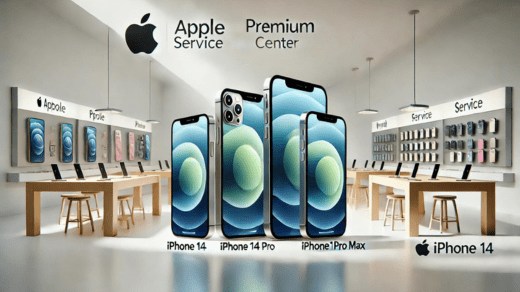
    Compatibility with Apple Premium Service Center

    For those interested in making their iPhone 14 Pros perform at their best level, there is no better place than an Apple Premium Service Center. In case your device needs any repair, from hardware issues to software troubleshooting, this service center guarantees top-notch care ensuring that your gadget remains intact so you can concentrate on capturing breathtaking images.

    Conclusion


    The iPhone 14 Pro is a big step for mobile photography. It has an improved camera system, more intelligent computational photography components, and enhanced ecosystem integration with Apple, making it a top choice for both professional photographers and photo enthusiasts. The iPhone 14 Pro offers something for everyone, whether you are a professional photographer or even just someone who takes photos on their phone; it promises to provide an unmatched photography experience.

    To learn more about the Apple iPhone 14 pro max or any other Apple mobile device including where to buy it from and how to get help, visit Maple.

  • Unleash the Bass Beast – Exploring the Power of Wireless Subwoofers

    Unleash the Bass Beast – Exploring the Power of Wireless Subwoofers

    Imagine this: you’re smack dab in the middle of a movie so epic the explosions practically rattle your teeth. Or, you’re vibing to your favourite song, feeling the rhythm pulse through you like a heartbeat. That’s the magic of a subwoofer, the profound bass speaker that brings your movies, music, and games to life. But what if we told you there was a way to experience this earth-shaking power without a single pesky wire? Buckle up because we’re diving into the world of wireless subwoofers, the most incredible tech upgrade for your entertainment system!

    The Rumble Without the Jumble

    Think of a traditional subwoofer as a superhero – solid and powerful but held back by its cape (the cable) that needs to be plugged into a receiver or soundbar. On the other hand, a wireless subwoofer is like that same superhero, but now it’s mastered telekinesis! It uses clever technology like Bluetooth® or Wi-Fi® to wirelessly connect to your sound system, giving you that booming bass without the tangled mess of wires.

    How does this magic work, you ask? Here’s a simplified version:

    • The Transmitter: This little guy lives with your main speakers or soundbar. It sends a wireless signal to the subwoofer, telling it what bassy goodness to pump out.
    • The Receiver: Built into the subwoofer itself, this receives the signal and translates it into those powerful low-frequency vibrations that make your furniture tremble (in a good way!).

    The Perks of Going Wireless

    Now that you know the secret handshake, let’s explore the reasons why a wireless subwoofer might be the perfect fit for you:

    • Freedom of Placement: No more wrestling with wires to find the perfect spot! With a wireless subwoofer, you can position it wherever it sounds best in your room, even behind the couch (hello, hidden bass beast!).
    • Clean Aesthetics: Gone are the days of tripping over cables and having them detract from your sleek entertainment setup. Embrace the minimalist look with a wire-free experience!
    • Simple Setup: Setting up a wireless subwoofer is a breeze compared to its wired counterpart. Most models connect automatically with minimal fuss, so you can spend lesser time tinkering and more time enjoying the bass.
    • Perfect for Apartments or Renters: Don’t want to drill holes in your walls for running cables? A wireless subwoofer is your saving grace! No permanent modifications are needed, making it ideal for renters or those living in apartments.

    Who Needs a Wireless Subwoofer, Anyway?

    This powerful little (or not-so-little) addition is perfect for anyone willing to elevate their entertainment experience. Here are some specific scenarios where a wireless subwoofer shines:

    • Movie Buffs: Experience the roar of a T-Rex’s footsteps or the rumble of a spaceship taking off in all its glory.
    • Music Lovers: Feel the deep basslines of your favourite tunes course through your body, making every song an immersive experience.
    • Gamers: Immerse yourself in the action with realistic explosions, engine roars, and other deep sounds that pull you right into the virtual world.
    • Audio Visual Enthusiasts in Dubai: For those living in Dubai, a city known for its love of luxury and cutting-edge technology, a wireless subwoofer is a must-have to experience the full potential of your home entertainment system truly. Many audio visual companies in Dubai offer wireless subwoofers to cater to every need and budget.
    Before You Buy: A Few Things to Consider

    While wireless subwoofers are fantastic, there are a few things to keep in mind before you head to the store:

    • Range: Ensure the chosen subwoofer has enough wireless range to reach your main speakers or soundbar comfortably.
    • Connectivity: Check if your central system uses Bluetooth or Wi-Fi for wireless connection and ensure the subwoofer is compatible.
    • Sound Quality: Look for a subwoofer with good reviews and a reputation for delivering clear, powerful bass.
    • Size and Power: Consider the size of your room and how much bass you crave.
    Unleash the Bass Beast in You!

    With its wireless convenience and powerful sound, a wireless subwoofer is a fantastic way to transform your home entertainment experience. It’s like having a personal mini-earthquake generator ready to unleash the bass whenever you need that extra punch! So, ditch the tangled wires, embrace the freedom of wireless technology, and get ready to feel the rumble!