Clean water is one of those everyday comforts people rarely appreciate until something changes. A glass of water tastes unusual, white deposits begin appearing around faucets, or a shower leaves skin feeling dry despite regular cleaning. These problems can be frustrating, particularly when the cause isn’t obvious and the number of possible solutions seems endless.
For homeowners, choosing the right water treatment system involves more than comparing prices or selecting a product with impressive features. Water quality varies from one property to another, and the most effective solution depends on understanding those differences. The right combination of reliable equipment, practical advice, and skilled installation can make water treatment far less complicated.
Understanding What Your Water Really Needs
Before investing in a treatment system, start by identifying the problem. Is the water hard? Does it have an unpleasant taste or smell? Are you concerned about sediment, staining, or a particular contaminant? These questions might sound basic, but the answers determine which technologies are worth considering.
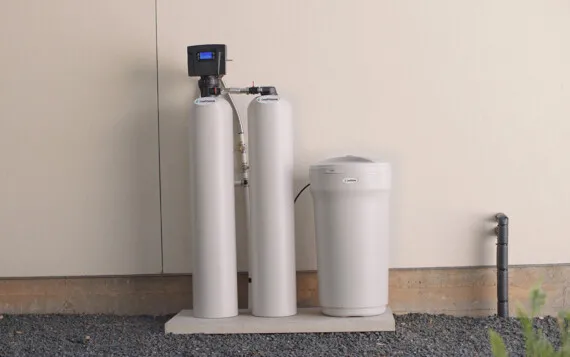
Hard water, for example, contains elevated levels of calcium and magnesium. It can leave mineral deposits on shower screens, faucets, kettles, and other surfaces. A water softener may help reduce these deposits, making cleaning easier and limiting scale formation inside certain appliances.
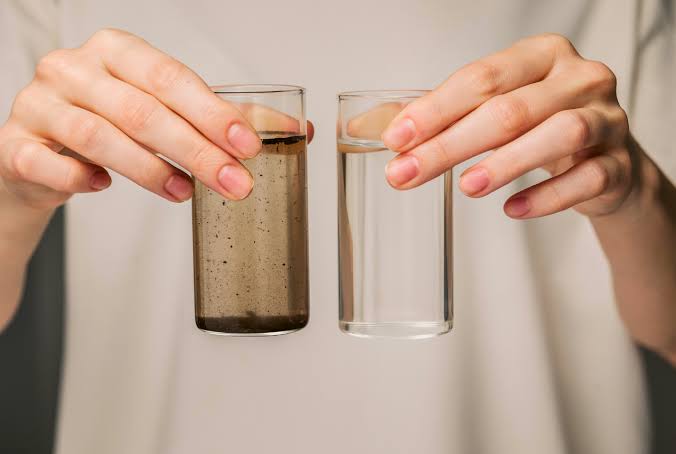
Drinking water concerns can be different. Chlorine may affect taste and odor, while sediment can cause cloudiness or collect inside plumbing components. Other contaminants require specific testing and treatment methods. Clear-looking water isn’t necessarily free of unwanted substances, so appearance alone shouldn’t determine whether the supply is safe.
A water quality test offers a more reliable starting point. Depending on the source and the symptoms, testing may examine hardness, pH, dissolved minerals, bacteria, or selected chemical contaminants. Private well owners should pay particular attention to regular testing because conditions can change over time.
Once the results are available, the next step is matching the problem with an appropriate treatment method. That may mean installing a simple filter, adding a softener, or combining multiple treatment stages. More equipment isn’t always better; the goal is to solve the actual problem without creating unnecessary expense.
The Role of Modern Treatment Equipment
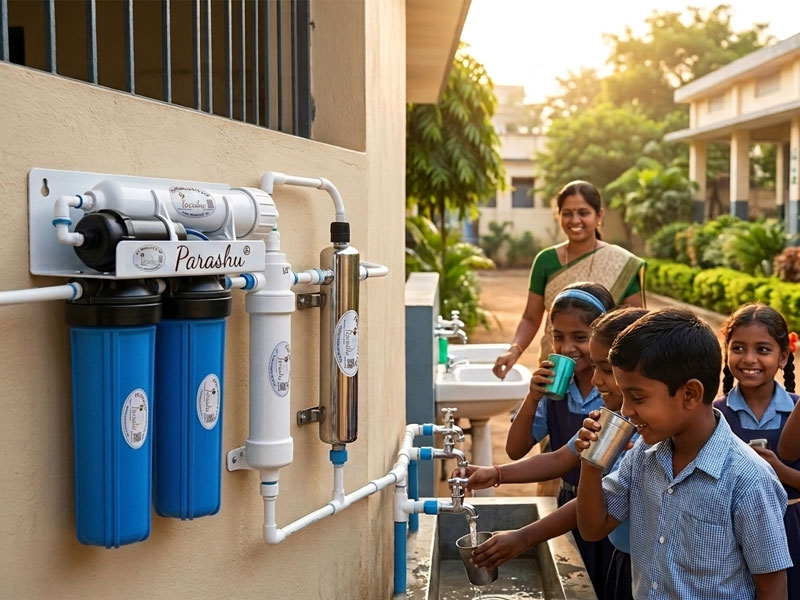
Advances in water treatment technology have made it possible to address a wide range of water quality concerns in residential and commercial settings. Today’s systems include sediment filtration, activated carbon, ion exchange, reverse osmosis, ultraviolet disinfection, and specialized media designed for particular contaminants.
Each method has a different purpose. Sediment filters capture suspended particles such as sand and rust. Activated carbon can reduce chlorine and improve certain taste and odor problems. Ion-exchange softeners reduce hardness, while reverse osmosis systems can lower many dissolved substances when designed for the relevant water conditions.
Ultraviolet systems can inactivate susceptible microorganisms when properly sized and operated, but they don’t remove dissolved minerals or particles. Pretreatment may be necessary to ensure effective disinfection. This illustrates an important point: treatment methods are not interchangeable, even when their marketing descriptions sound similar.
System design matters just as much as the technology itself. A household with several bathrooms may require greater capacity than a small home with limited water demand. Incoming water quality, available installation space, drainage access, and ongoing maintenance also influence the right choice.
Homeowners should review product specifications carefully and look for relevant independent certifications. Claims about reducing a particular contaminant should be supported by performance information that applies to that specific system. A filter certified for chlorine reduction, for example, shouldn’t automatically be assumed to remove lead or bacteria.
Why Professional Plumbing Experience Matters
Even excellent equipment can disappoint when it is poorly selected or installed. Incorrect connections, inadequate flow capacity, unsuitable drainage arrangements, and neglected pressure requirements can affect performance or create avoidable maintenance problems.
Working with licensed master plumbers can help homeowners navigate the plumbing side of a treatment project. Depending on local regulations and the nature of the installation, these professionals may assess pipework, identify suitable connection points, check pressure conditions, and ensure that the installation complies with applicable requirements.
Their experience can also be valuable when an existing plumbing problem complicates the project. For instance, recurring leaks, corroded pipes, or inadequate water pressure may need attention before new equipment is installed. Adding a treatment system without addressing those underlying issues could lead to disappointing results.
Credentials and licensing requirements vary by location, so homeowners should verify the relevant qualifications rather than relying on a job title alone. It is also sensible to confirm insurance coverage, ask about previous installation experience, and request a clear estimate before work begins.
Good professionals explain their reasoning. They should be able to describe why a particular system is suitable, what preparation is required, and which maintenance tasks will follow. Customers shouldn’t need to understand every technical detail, but they deserve enough information to make a confident decision.
Installation Is Only the Beginning
A water treatment system is not a purchase that can always be forgotten once the installer leaves. Filters have service lives, membranes may require replacement, softeners need appropriate maintenance, and some systems depend on periodic testing to confirm continued performance.
A maintenance schedule helps prevent small problems from developing unnoticed. Follow the manufacturer’s recommendations for filter changes, cleaning, salt replenishment, and system checks. Keep records of service visits and note any changes in water taste, odor, or flow.
If a system suddenly produces less water than usual, don’t assume the equipment has failed completely. A clogged filter, closed valve, pressure issue, or other simple problem may be responsible. However, repeated faults deserve proper investigation rather than endless temporary fixes.
Maintenance also protects the value of the original investment. Replacement parts and routine servicing may seem like extra costs, but they are part of owning equipment designed to operate over many years. Understanding those costs before purchasing makes it easier to choose a system that fits the household budget.
Service That Continues After the Sale
Reliable support is especially important when customers are unfamiliar with water treatment equipment. Clear instructions, accessible service, and practical answers can make the difference between a system that feels easy to manage and one that becomes a source of frustration.
Dedicated service professionals help by explaining how equipment operates, responding to concerns, and guiding homeowners through appropriate maintenance. They can also help determine whether a change in performance requires a routine service visit or a more detailed inspection.
For example, a household might notice that water tastes different after several months of normal use. Rather than immediately replacing the entire system, a qualified technician can check the filter’s service life, review the operating conditions, and identify whether further testing is necessary.
Good support should also be transparent about costs. Customers benefit from knowing which components need replacement, why the work is recommended, and whether a repair is likely to restore normal performance. Straightforward communication builds confidence and helps prevent unnecessary spending.
Making a Practical Long-Term Investment
When comparing treatment systems, look beyond the initial purchase price. Consider installation, replacement cartridges, electricity, salt, wastewater where applicable, and future servicing. A less expensive system may cost more to maintain, while a higher-priced option may offer little additional value if it exceeds the home’s actual needs.
Ask whether replacement parts are readily available and whether the equipment can be serviced locally. Check warranty conditions and understand which tasks you can safely handle yourself. These details are easy to overlook when comparing product features, yet they can significantly influence the ownership experience.
It’s also worth considering how your needs might change. A growing household may use more water, while renovations could affect installation space or plumbing access. A good treatment plan leaves reasonable room for those possibilities without paying for unnecessary capacity today.
Better Water Starts With the Right Partnership
Improving water quality doesn’t have to involve guesswork or an unnecessarily complicated system. Start with testing, understand the concern, and choose treatment equipment based on demonstrated performance rather than broad promises.
Skilled plumbing professionals can help ensure the equipment fits the property’s existing system, while ongoing service keeps it operating as intended. Together, sound technical advice and appropriate maintenance can reduce avoidable problems and make water treatment easier to manage.
Ultimately, the best system is the one that addresses your actual needs, fits your budget, and remains dependable over time. With informed decisions and the right professional support, cleaner, better-tasting water can become an ordinary part of daily life rather than another household concern.