There’s a moment when household water starts becoming a nuisance. Perhaps your morning shower leaves your skin feeling unusually dry, the kettle develops a stubborn white crust, or your kitchen tap begins producing water with a taste you can’t quite put your finger on. You clean things, change a filter, and carry on. Then the same problems return.
It’s tempting to assume that all these issues have one simple solution. In reality, water can contain different minerals, particles, and other substances, and each requires a slightly different approach. What works beautifully in one home may accomplish very little in another.
The good news is that improving your home’s water doesn’t have to begin with an expensive installation. A little investigation, some practical maintenance, and a clearer understanding of available treatment options can help you make better decisions.
Start by Finding Out What’s in Your Water
Before buying equipment, take a closer look at your water supply. Its source can tell you something about the problems you might encounter, but it won’t provide the whole picture.
Municipal water is generally treated and monitored, although conditions can change as it travels through distribution pipes and household plumbing. Private wells and borewells depend more heavily on local geology, groundwater conditions, and nearby land use. Mineral content can vary considerably, even between properties in the same area.
This is where water testing & analysis becomes valuable. Testing can help identify concerns such as excessive hardness, iron, unusual pH levels, or specific contaminants that require attention. The appropriate tests depend on the source and the symptoms you’re noticing.
For instance, white deposits around taps often suggest hard water, while reddish-brown stains may indicate iron or corrosion. A rotten-egg smell can be associated with hydrogen sulfide, although other causes are possible. These clues are useful starting points, not definitive diagnoses.
If you’re using a private well or borewell, consider laboratory testing for locally relevant contaminants and repeat it at appropriate intervals. For municipal supplies, check available water-quality reports and local advisories. If the water suddenly changes colour, develops a strong odour, or tastes unusual, investigate rather than assuming the problem is harmless.
One simple habit helps: keep a record of noticeable changes. When did the problem begin? Does it affect every tap? Is it worse after heavy rain or when using hot water? Those details can help a qualified plumber or water-treatment specialist narrow down the cause.
Why Hard Water Causes So Much Frustration
Hard water is common in many regions, particularly where groundwater passes through mineral-rich rock. It contains elevated levels of calcium and magnesium, which can leave deposits when water evaporates or is heated.
You might notice chalky marks on glassware, soap that refuses to lather properly, or towels that feel less soft after washing. Over time, mineral scale can also accumulate inside kettles, water heaters, and plumbing fixtures. In severe cases, these deposits may interfere with equipment performance and increase maintenance requirements.
The effect isn’t always dramatic. Sometimes it’s simply the constant need to wipe down the bathroom sink or descale the kettle before breakfast. Those little jobs add up.
Hardness itself is not generally considered a health hazard at typical drinking-water levels. However, it can affect cleaning, appliance maintenance, and the overall comfort of using water at home. That’s why treatment decisions should be based on both the measured hardness and the practical problems it creates.
Choosing a Treatment System That Fits Your Home
Once you understand the problem, you can compare technologies without getting distracted by impressive-looking claims or complicated product descriptions.
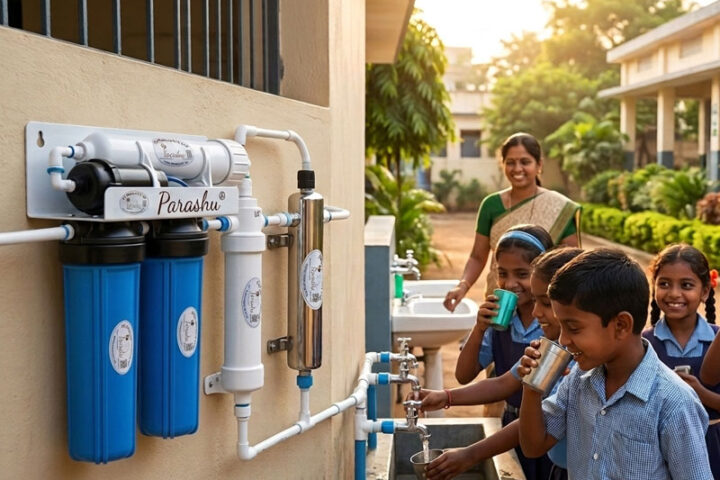
A sediment filter is designed to capture suspended particles such as sand, silt, and rust flakes. Activated carbon can reduce certain tastes, odours, and chemical compounds, depending on the filter’s design. Reverse osmosis can reduce a range of dissolved substances, although performance varies by model and it requires regular maintenance.
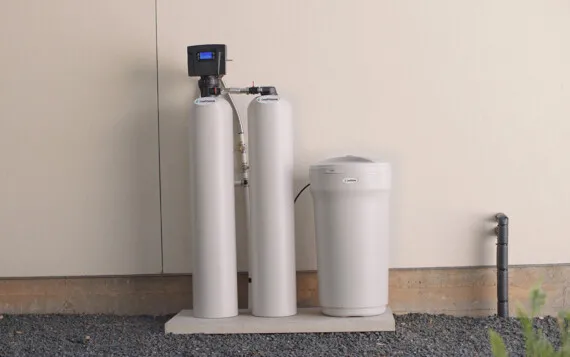
For households with persistent hardness, water softening solutions may be worth considering. Conventional ion-exchange softeners reduce calcium and magnesium by exchanging them for sodium or potassium ions. They can help control scale and may make soap and detergents work more effectively.
However, a softener isn’t a universal purifier. It doesn’t automatically remove microorganisms, pesticides, or every dissolved contaminant. If your water has several issues, you may need a combination of treatment methods, selected according to test results.
Think about how much water your household uses, too. A small unit may struggle to meet demand, while an oversized system could cost more than necessary. Consider the number of bathrooms, daily consumption, available installation space, and whether the system requires drainage or electricity.
Maintenance matters just as much as the initial purchase price. Replacement cartridges, salt, servicing, and wastewater can affect the long-term cost. Ask suppliers what the system removes, what it leaves behind, and how its performance is verified.
When Treating the Entire House Makes Sense
Some water problems are limited to one place. If you’re mainly concerned about drinking water at the kitchen sink, a suitable point-of-use filter may be sufficient. Other problems affect showers, laundry, appliances, and plumbing throughout the property.
In those situations, whole-home water treatment may offer a more practical approach. These systems are installed where water enters the property, allowing treated water to reach multiple outlets. Depending on the equipment, they may address sediment, hardness, or selected contaminants.
The key is choosing the right combination. A whole-house sediment filter may protect downstream equipment from particles, but it won’t necessarily soften water or remove dissolved chemicals. Similarly, a whole-house softener addresses hardness rather than every possible drinking-water concern.
Not every home needs a large installation. If your water tests well and your only complaint is occasional residue on the shower screen, routine cleaning might be enough. If several appliances are scaling up quickly, a more comprehensive assessment could be worthwhile.
A reputable installer should inspect your supply, explain the proposed system, and provide a clear maintenance plan. Be cautious of anyone who insists that you need expensive equipment before testing the water or explaining the actual problem.
Everyday Habits That Help Keep Water Systems Working
Even a good treatment system needs a little attention. Replace filters according to the manufacturer’s guidance rather than waiting until the water tastes different. Clean faucet aerators and showerheads when deposits begin to restrict flow, and descale appliances as recommended in their manuals.
If your home relies on a storage tank, arrange periodic inspection and cleaning. Check for leaks, damaged fittings, and signs of corrosion. When a filter or softener has been installed, keep track of service dates and any changes in water pressure or performance.
It’s also sensible to understand what your equipment cannot do. A standard sediment filter, for example, isn’t a substitute for disinfection where microbial contamination is a concern. Follow local public-health guidance whenever a water-safety issue is suspected.
These habits may not feel particularly exciting, but they help prevent small issues from turning into expensive surprises.
A Practical Path to Better Water
Improving household water is less about buying the newest device and more about understanding what your home actually needs. Start with the symptoms, investigate the source, and use reliable testing to guide your decisions.
Sometimes, a basic filter or a change in maintenance habits will solve the problem. In other cases, a softener or a carefully selected combination of treatment systems will provide better results. The right answer depends on the water itself, not simply the claims printed on a product box.
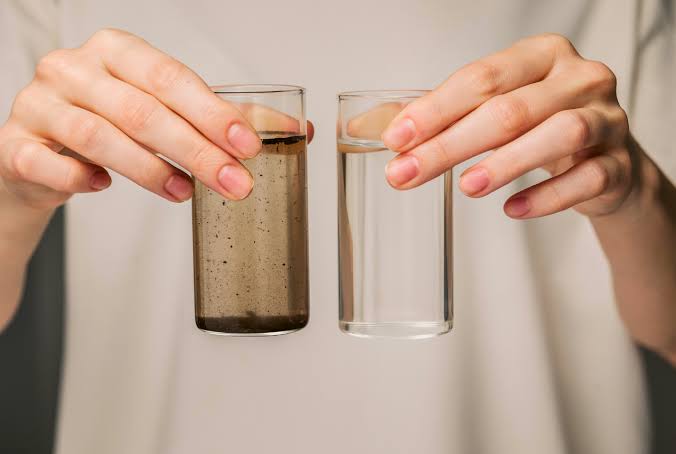
When you approach the issue thoughtfully, you can avoid unnecessary spending, protect household equipment, and feel more confident about the water you use every day. That’s a worthwhile improvement, even if it begins with something as ordinary as a cloudy glass or a stubborn mark around the kitchen tap.