There are certain household problems that seem to come back no matter how often you deal with them. You clean the white deposits around the kitchen tap, only to see them return a few days later. The showerhead gets clogged with mineral buildup, or the drinking water develops a taste that makes you reach for a bottled alternative. It’s frustrating, particularly when you aren’t sure what’s causing the problem in the first place.
Water treatment has come a long way, and today’s equipment offers more options than many homeowners realize. Some systems are designed to reduce mineral buildup, others improve the taste of drinking water, and newer controls can help equipment respond more intelligently to changing household needs. The trick is choosing improvements that solve a genuine problem rather than paying for features you may never use.
Start With What Your Water Is Telling You
Before considering an upgrade, take a closer look at the water entering your home. Hard water often leaves chalky marks on glassware, shower screens, and faucets. Iron can contribute to reddish stains, while certain treatment chemicals may affect taste or odor. These signs can offer useful clues, but they don’t provide a complete picture of water quality.
A water test is a sensible starting point. Depending on the source and local conditions, testing may examine hardness, pH, iron, dissolved solids, or specific contaminants. Municipal water customers can review their supplier’s quality report, while private well owners generally need testing suited to their location and potential risks.
The reason for testing is simple: different problems call for different solutions. A water softener can reduce hardness minerals, but it isn’t a universal purifier. A carbon filter may reduce certain tastes and odors, yet it won’t necessarily address every dissolved or microbiological contaminant. Knowing what needs attention helps you avoid buying equipment that doesn’t match your water.
Why Regeneration Matters in a Water Softener
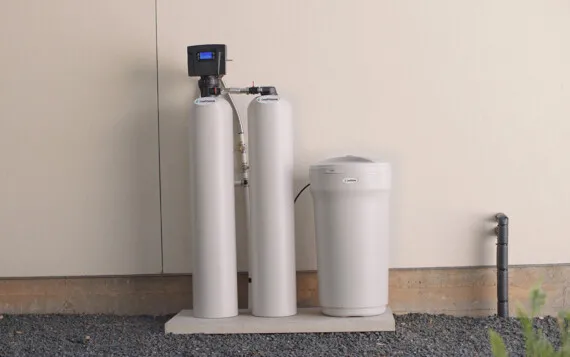
Traditional ion-exchange water softeners reduce hardness by exchanging calcium and magnesium ions for other ions, commonly sodium. Over time, the resin inside the unit becomes loaded with hardness minerals and needs to be regenerated so it can continue working effectively.
Older or poorly configured equipment may regenerate more often than necessary. That can mean additional salt consumption, more wastewater, and avoidable operating costs. The amount of regeneration required depends on water hardness, household demand, system capacity, and the settings used.
Modern systems may use advanced regeneration technology to help determine when regeneration is needed. Demand-initiated controls, for example, can base the cycle on measured or estimated water use rather than following a fixed schedule. When correctly sized and configured, this approach may help reduce unnecessary regeneration while maintaining a reliable supply of softened water.
Still, technology is only part of the equation. A system that is too small for the household may regenerate frequently even with smart controls. Water hardness should be measured, and the unit should be sized according to realistic usage. Ask the installer how the settings are determined and whether they can be adjusted as household demand changes.
Monitoring Can Make Maintenance Less of a Guessing Game
One of the most frustrating aspects of owning treatment equipment is not knowing when something needs attention. A filter may be nearing the end of its useful life, a softener may be running low on salt, or a small leak may continue unnoticed because the equipment sits in a utility room.
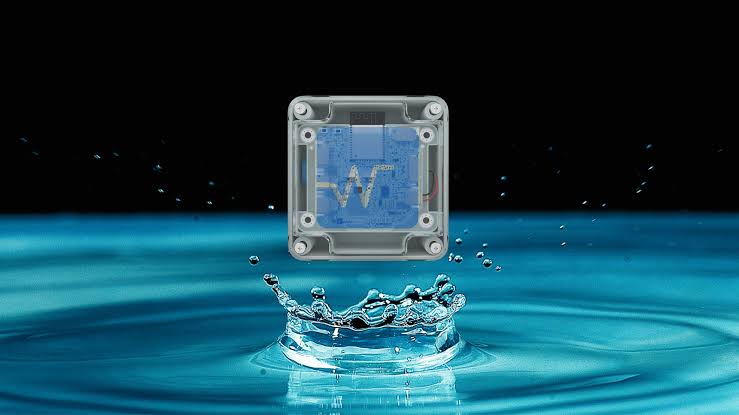
Some newer systems offer optional smart monitoring, which can provide alerts about selected operating conditions. Depending on the model, these features may help users check water usage, review system status, or receive reminders when maintenance is due. For busy households, that information can be convenient, particularly when equipment is installed somewhere out of sight.
However, monitoring features vary widely. A connected device may report water flow or maintenance status without being able to identify the precise cause of a problem. Internet connectivity, sensor accuracy, and the quality of the installation also affect how useful the information will be.
Before paying extra for connected controls, ask what they actually monitor. Can the system detect unusual flow? Does it send alerts when a filter needs attention, or does it simply provide a general service reminder? Understanding the difference makes it easier to decide whether the added feature is worth the cost.
Even without smart monitoring, a simple maintenance log can work well. Keep records of filter changes, service visits, and water-test results. A calendar reminder may be all you need to keep the system in good condition.
Improving the Water You Drink Every Day
For many households, the most noticeable water-quality concern is taste. Water may be perfectly clear yet still have an aftertaste that makes drinking it less appealing. Depending on the cause, an appropriately selected activated carbon filter can reduce chlorine taste, odor, and certain compounds.
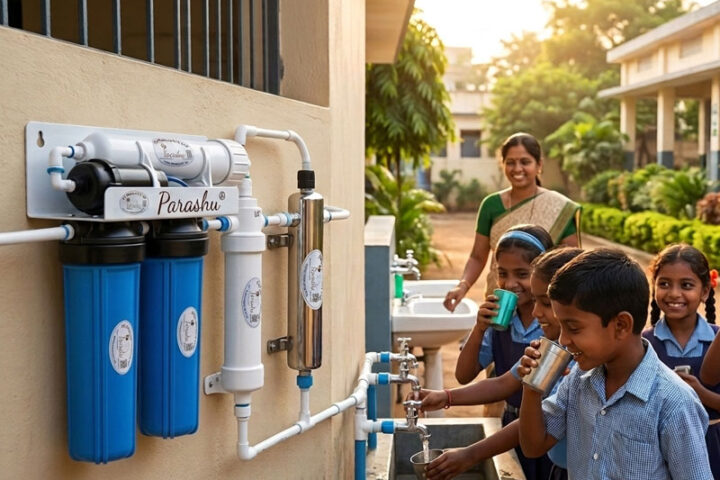
Reverse osmosis is another option when testing identifies dissolved substances that a suitable membrane system is designed to reduce. These systems are often installed beneath the kitchen sink and may include prefilters, a membrane, and a post-filter. Their effectiveness depends on the particular model and the substances being targeted, so product certifications and performance documentation matter.
When a system addresses the actual issue, it may provide cleaner better-tasting water for drinking and cooking. The results depend on the incoming water, the equipment selected, and how well it is maintained. No single filter should be assumed to remove every contaminant.
There are practical considerations, too. Reverse osmosis systems need replacement filters and membranes, and conventional models send some water to the drain during production. Storage capacity and flow rate can affect convenience, especially in a busy household where several people fill bottles or prepare meals throughout the day.
If your main concern is taste, a simpler carbon filter may be sufficient. If a health-related contaminant is suspected, arrange appropriate testing and select equipment verified for that specific purpose.
Don’t Overlook Installation and Everyday Upkeep
Even good equipment can disappoint when it is installed incorrectly. Filters need adequate space for replacement, softeners require appropriate drainage and settings, and some systems depend on suitable water pressure or electrical connections. These details may not be exciting, but they affect performance over time.
Maintenance deserves the same attention. Replace cartridges according to the manufacturer’s schedule, keep a softener supplied with the recommended regeneration material, and arrange service when performance changes. If water pressure drops, unusual tastes return, or mineral deposits reappear, investigate the cause instead of assuming the system simply needs a larger replacement unit.
A qualified technician can help distinguish between a worn component, incorrect settings, and a more general water-quality issue. Keeping the original test report and installation details nearby makes those conversations more useful.
Choose Improvements That Suit Your Home
It’s easy to become distracted by equipment with long feature lists and impressive claims. But the best upgrade is usually the one that addresses a clear need and remains manageable after installation.
Start with testing, compare the system’s verified capabilities, and look at the complete cost, including replacement parts and routine servicing. Ask questions about expected performance, operating requirements, and what the equipment cannot do. If a recommendation seems excessive, taking time to compare another option is reasonable.
Modern water treatment can make everyday routines more comfortable, but it works best when technology supports good decisions rather than replacing them. Understand your water, choose equipment for the problem at hand, and keep up with maintenance. Those practical steps can help your system deliver dependable results for years to come.