Category: Home Services

  • The Unseen Backbone of Comfort: Why HVAC Systems Matter More Than You Think

    The Unseen Backbone of Comfort: Why HVAC Systems Matter More Than You Think

    Walk into almost any building—whether it’s a buzzing office tower, a shopping mall, or even your favorite restaurant—and you’ll likely take one thing for granted: the air. Not just whether it’s warm in the winter or cool in the summer, but how steady, breathable, and downright comfortable it feels. That invisible comfort is brought to you by HVAC systems, a technology that often hums quietly in the background while shaping how we live, work, and breathe.

    What’s fascinating is that while most of us notice a flickering lightbulb or a cracked window immediately, we rarely think twice about the air conditioning unit above our heads until something goes wrong. Yet, HVAC isn’t just about comfort—it’s about efficiency, productivity, even safety.


    The Pulse of Modern Business

    If you’ve ever worked in an office that felt more like a sauna in July or a walk-in freezer in January, you know exactly how much environment impacts performance. Temperature and air quality influence not only physical comfort but also mental clarity. Businesses learned this a long time ago. That’s why they invest in commercial hvac services—specialized expertise that keeps large spaces functioning smoothly, often with tailored systems that can manage dozens of rooms and hundreds of people at once.

    But HVAC isn’t only about comfort in these settings. For companies, downtime is costly. An overheated server room can wipe out data; a poorly ventilated factory floor can lead to safety risks. That’s why service contracts and proactive maintenance have become the rule rather than the exception. For many facilities managers, a trusted HVAC partner is as critical as an IT department.


    The Rise of the Rooftop

    If you’ve ever driven through a city and noticed boxy metallic structures dotting rooftops, you were probably looking at AC units. They may not win design awards, but their positioning is genius. Rooftop ac units are easier to install, easier to service, and they free up valuable interior space for businesses that would rather put square footage to better use.

    The rooftop setup also means fewer disturbances. Technicians can access the system without wandering through office spaces, and noise pollution is reduced for those working below. Plus, these units are modular. Need more cooling capacity as your company expands? You can add another unit without overhauling the entire system. It’s a flexible solution in a world where businesses need to scale quickly.

    Of course, rooftop units come with their quirks. Exposure to weather can wear them down faster if maintenance isn’t consistent. But when cared for properly, they’re among the most reliable workhorses of the HVAC world.


    Industry and the Heavy Lifters

    When we talk about HVAC in a home or office, we’re often thinking about comfort. But in manufacturing or heavy industry, it can be a matter of survival—literally for both equipment and workers. Think of chemical plants, automotive factories, or food processing facilities. These environments generate extreme heat, dust, or airborne chemicals. Without robust industrial hvac systems, not only would production slow, but conditions could quickly become hazardous.

    Industrial systems are engineered differently from the ones in your local café. They’re larger, tougher, and often customized to handle unique demands—such as filtering out specific contaminants or balancing humidity levels critical to production. In some cases, precise air quality isn’t just nice to have; it’s required by law. For instance, pharmaceutical facilities must maintain cleanrooms with meticulously controlled environments.

    What stands out in industrial contexts is the sheer scale of these systems. Imagine ducts wide enough to walk through, fans that could rival jet engines, and chillers the size of trucks. It’s infrastructure on another level, and yet it often goes unnoticed by the very people whose lives depend on it.


    Energy and the Green Shift

    Of course, we can’t talk about HVAC today without mentioning sustainability. Heating, cooling, and ventilation account for a massive share of global energy use. That’s why modern systems are increasingly judged not only on performance but also on efficiency.

    From smart thermostats in small businesses to advanced building management systems in skyscrapers, the focus is shifting toward reducing waste. Rooftop units now often come with variable-speed drives that adjust output based on need, rather than running at full blast all the time. Industrial facilities are exploring heat recovery systems that recycle waste energy back into production.

    This isn’t just good for the planet—it’s good for the bottom line. Utility costs can be one of the largest expenses for a company, and efficient HVAC can trim them dramatically. It’s the kind of win-win scenario that makes sustainability more than just a buzzword.


    The Human Factor

    Here’s something often overlooked: HVAC isn’t just machines and ducts. It’s people. Behind every comfortable building are technicians, engineers, and service teams who crawl through tight spaces, climb onto roofs in the middle of summer, and work odd hours to ensure systems keep running.

    There’s an artistry in balancing airflow, an engineering challenge in maximizing efficiency, and a responsibility in keeping environments safe. These professionals are the unsung heroes who, quite literally, make air livable. Without them, offices would grind to a halt, industries would stall, and countless daily routines would feel a lot more unbearable.


    Looking Ahead

    Technology never stops evolving, and HVAC is no exception. We’re seeing systems that “learn” occupancy patterns, buildings that self-regulate with AI, and components designed to last longer with fewer resources. Drones are even being used for rooftop inspections, cutting down on risk for human technicians.

    At the same time, global challenges like rising temperatures and urban density are pushing HVAC into the spotlight. Cities will need smarter cooling strategies, industries will need cleaner ventilation solutions, and businesses will need partners who can combine reliability with innovation.


    Wrapping It Up

    Next time you walk into a building and feel that instant wave of comfort, take a moment to appreciate the invisible network humming above, behind, or beneath you. HVAC isn’t glamorous, but it’s essential. From sleek offices relying on commercial hvac services, to city skylines dotted with rooftop ac units, to sprawling factories powered by industrial hvac systems, this technology quietly defines our modern world.

    We rarely see it, but we always feel it. And maybe that’s the truest sign of its success—comfort so seamless you don’t even notice until it’s gone.
  • When It’s Time to Say Goodbye: A Personal Take on Replacing Your Heating System

    When It’s Time to Say Goodbye: A Personal Take on Replacing Your Heating System

    There’s a moment every homeowner dreads—when you realize the trusty heating system that’s kept your family warm for years is finally calling it quits. It usually starts subtly. Maybe your house takes a little longer to heat up, or the energy bill spikes with no clear reason. At first, you ignore it, chalking it up to winter being particularly harsh. But then the system clunks, groans, and suddenly, you’re standing in a freezing living room at 6 a.m., wrapped in three blankets, muttering, “Okay… this isn’t working anymore.”

    That’s when the topic of heating system replacement moves from “someday” to “right now.” And honestly, it’s not just about staying warm. It’s about peace of mind, safety, and making your home more energy-efficient for the long haul.


    Why Waiting Usually Costs More Than Acting Fast

    Let’s be real—nobody gets excited about replacing major equipment. It’s like needing a new car transmission: you’d rather spend that money on a vacation, a kitchen remodel, or something fun. But ignoring the signs of a failing system often ends up being more expensive.

    Old heating systems not only waste energy, they can also become safety hazards. Cracks in a furnace’s heat exchanger, for example, can leak carbon monoxide. Other times, parts fail one after another, and before you know it, you’ve shelled out hundreds (sometimes thousands) on repairs that could’ve gone toward a new system altogether.

    It’s the classic case of “penny wise, pound foolish.” Acting sooner rather than later gives you control—time to shop around, compare options, and choose what works best for your family instead of scrambling in the middle of a snowstorm.


    Choosing the Right System Isn’t Just About Heat

    Here’s the thing: replacing a heating system isn’t just about heat output. Modern systems come with options we couldn’t even imagine 20 years ago. Smart thermostats that learn your habits, energy-efficient designs that slash utility bills, and even hybrid systems that adjust based on the weather.

    When my neighbor recently went through her heating replacement, she admitted she was overwhelmed at first. Gas furnace? Heat pump? Dual fuel system? The terminology alone felt like a foreign language. But once she spoke with a local HVAC technician and broke it down into her family’s needs—budget, square footage, climate—it suddenly made sense.

    That’s the key: it’s not about finding the fanciest system, it’s about finding the right fit. Think of it like buying shoes. Sure, the designer pair might look nice, but if they give you blisters after a week, they’re not worth it. Comfort and practicality always win.


    Local Help Makes All the Difference

    If you’ve ever typed furnace replacement near me into Google, you know the results can feel endless. Dozens of companies pop up, each promising the “best” service. The trick isn’t picking the first one that shows up, but actually doing a bit of homework.

    Check reviews, ask neighbors, and don’t be afraid to get more than one quote. A trustworthy contractor won’t pressure you into an immediate decision. Instead, they’ll walk you through the options, explain the pros and cons, and make sure you feel comfortable before moving forward.

    One underrated tip? Look for technicians who offer maintenance packages. A new system is a big investment, and regular check-ups can keep it running smoothly for years to come. It’s kind of like going to the doctor for a yearly physical—preventative care almost always pays off.


    The Emotional Side of Letting Go

    It may sound strange, but there’s a real emotional side to replacing a heating system. These machines often run in the background of our lives for decades. They’re there during family holidays, lazy Sundays, snow days when school is canceled. Letting go of an old furnace can feel weirdly nostalgic, like saying goodbye to a car you’ve driven for years.

    But here’s the silver lining: upgrades bring a sense of relief. Once the new system is installed, the silence is comforting—no strange rattles or clanging. The heat feels even and reliable. And when that first utility bill comes in lower than expected, it’s almost like a reward for finally pulling the trigger.


    Thinking Ahead

    One piece of advice I’d give anyone going through this process is to think long-term. Don’t just replace your system with the cheapest option that meets today’s needs. Think about where you’ll be in ten years. Are you planning to stay in the home? Do you want eco-friendly solutions that align with future energy trends? Are there rebates or tax incentives available in your area for efficient systems?

    The upfront cost might sting, but the savings and comfort you’ll enjoy down the road usually make it worthwhile. And honestly, knowing you won’t wake up in an icebox during the coldest night of the year? That peace of mind is priceless.


    Wrapping It Up

    In the end, replacing your heating system isn’t just a technical upgrade—it’s a lifestyle improvement. It’s about safety, savings, comfort, and in many ways, peace of mind. Whether you’re dealing with an aging furnace or simply planning ahead for efficiency, taking the time to explore your options is well worth it.

    So if your system’s been sending out distress signals, don’t ignore them. Have a professional take a look, weigh your choices, and move forward with confidence. Because nothing feels better than stepping inside on a freezing winter day, kicking off your boots, and knowing your home will always welcome you with steady, reliable warmth.

  • Finding Clarity: Why Good Water Treatment Is More Than Just a Luxury

    Finding Clarity: Why Good Water Treatment Is More Than Just a Luxury

    There’s something oddly grounding about pouring yourself a glass of water. It looks so simple, so clear—yet, depending on where you live, what flows out of that tap can be anything but pure. We take it for granted until one day we notice the faint chlorine smell, or the metallic taste, or the limescale quietly building up on the kettle. And suddenly, water isn’t just water anymore.

    That’s when people start looking for solutions, whether it’s a small jug on the counter or a whole-home setup. Clean water has a way of reshaping daily life. It’s not only about health; it’s about comfort, peace of mind, even the little details like brighter laundry or better-tasting coffee. And while there are countless gadgets and gizmos on the market, finding the Best water treatment option really comes down to understanding your needs, your household, and yes, even your city’s quirks.


    Why water feels different from one place to another

    If you’ve ever moved houses or traveled a lot, you probably know what I mean. The water in one town might leave your hair soft and manageable, while just two states over it feels like you need an entire bottle of conditioner after every shower. That’s minerals at work—calcium, magnesium, sometimes iron—and while they’re not exactly dangerous, they can be a headache. Appliances wear out faster, dishes come out streaked, and soap never quite seems to lather the way it should.

    This is where a Water conditioner earns its place in the home. It doesn’t just filter things out—it changes the way those minerals behave. Instead of sticking around and coating everything in sight, the minerals flow through without causing trouble. It’s subtle, almost invisible, yet the difference is noticeable from the very first wash of your hands. The water feels smoother, the shower glass stays clearer, and suddenly you’re not scrubbing scale off faucets every weekend.


    The overlooked factor: city water

    For those of us living in busy neighborhoods or downtown apartments, the challenges shift. City water is usually treated at large plants before it gets piped into homes. That’s great for killing bacteria, but the chemicals added along the way—chlorine, fluoride, even trace amounts of other substances—don’t just vanish when they leave the facility. Sometimes they tag along, right into your glass.

    It’s why many families turn to a City water filter, not necessarily because their water is unsafe, but because they want it to taste clean and feel natural again. Think about making tea: the difference between boiling water straight from the tap versus water that’s been filtered is striking. The flavor opens up, no aftertaste, no strange smell. It’s not about being fussy—it’s about making the everyday feel better.


    Choosing what’s right for you

    Here’s the tricky part: there’s no one-size-fits-all answer. Walk down the aisle of any hardware store and you’ll see dozens of systems promising miracles. Some are better at pulling out sediments, others focus on chemical removal, and then there are hybrid models that combine multiple layers of treatment. The key is to think less about what the box says and more about what your water is actually like.

    That usually means getting it tested. A simple kit can tell you if hardness is the issue, if there’s chlorine to worry about, or if you just want to polish the taste. From there, you can decide whether you need a softener, a carbon filter, or maybe both. The smartest households don’t chase the most expensive unit; they match the system to their reality.


    The ripple effect of clean water

    What often surprises people is just how many corners of life water touches. It’s not just about hydration—though that’s huge. It’s also about how your skin feels after a shower, how fresh your laundry smells, how long your coffee machine lasts, how much detergent you end up buying. Even your pets notice.

    Clean water doesn’t make itself known with grand gestures; it sneaks in quietly, making everyday routines smoother, easier, more enjoyable. And in a world where stress and clutter are constant, that’s a luxury worth holding onto.


    A personal note

    I’ll be honest—until a few years ago, I never thought much about water. It was there, it worked, end of story. But after moving to a new city where the water was unusually hard, I noticed little annoyances piling up. The dishwasher left white spots, my hands felt dry, and even the taste was… off. Installing a basic filter and conditioner changed more than I expected. It wasn’t magic, but it made my home feel more comfortable, more mine.

    And maybe that’s the point. Good water treatment isn’t just about purity or minerals on a chart—it’s about making the essentials of daily living feel better. It’s about giving yourself one less thing to worry about.


    Final thoughts

    There’s no denying it: water is personal. What works for one family in the suburbs may be unnecessary for someone in the city, and vice versa. But paying attention to what’s in your tap—and how it affects your life—can be the start of real improvements, both small and surprisingly meaningful.

    So the next time you pour a glass, take a moment. Does it taste the way it should? Does it feel refreshing, or does something seem a little off? If the answer is anything less than satisfying, it might be time to explore your options. Because when the water feels right, everything else—showers, coffee, laundry, even just a simple sip—feels right too.

  • Clean Water, Clear Living: Why Texans Are Turning to Whole-House Filters

    Clean Water, Clear Living: Why Texans Are Turning to Whole-House Filters

    There’s something uniquely Texan about pouring yourself a glass of water after a long, sun-soaked day. The trouble is, depending on where you live, that water might not always taste as crisp as it should. From mineral-heavy well water to the faint smell of chlorine drifting out of city taps, the truth is simple—Texas has its fair share of water quirks. And lately, more families have started paying attention, swapping quick fixes like pitcher filters for something a little more permanent.

    Enter the idea of a whole house water filter Texas residents are buzzing about. It’s not just another home upgrade. It’s a small shift that can ripple into every corner of your daily life—cleaner showers, tastier cooking, fewer water spots on glassware, even healthier skin. Once you get used to it, it’s hard to imagine living any other way.


    The Water We Live With

    If you’ve spent time in different Texas cities, you’ve probably noticed each one has its own “flavor” of tap water. In Houston, some homeowners complain of high chlorine levels; in Austin, the limestone in the Hill Country can mean hard water that clogs pipes and leaves that chalky film on faucets. And out in rural areas, well water can bring its own set of mysteries—sulfur odors, sediment, or iron staining.

    People usually don’t think much about it until there’s a problem big enough to notice. Maybe it’s a kid refusing to drink tap water because “it smells funny,” or maybe it’s realizing your white laundry never really looks white. That’s when homeowners start Googling solutions, and more often than not, land on whole-home systems instead of piecemeal fixes.


    Why Go Whole-Home Instead of Room-by-Room?

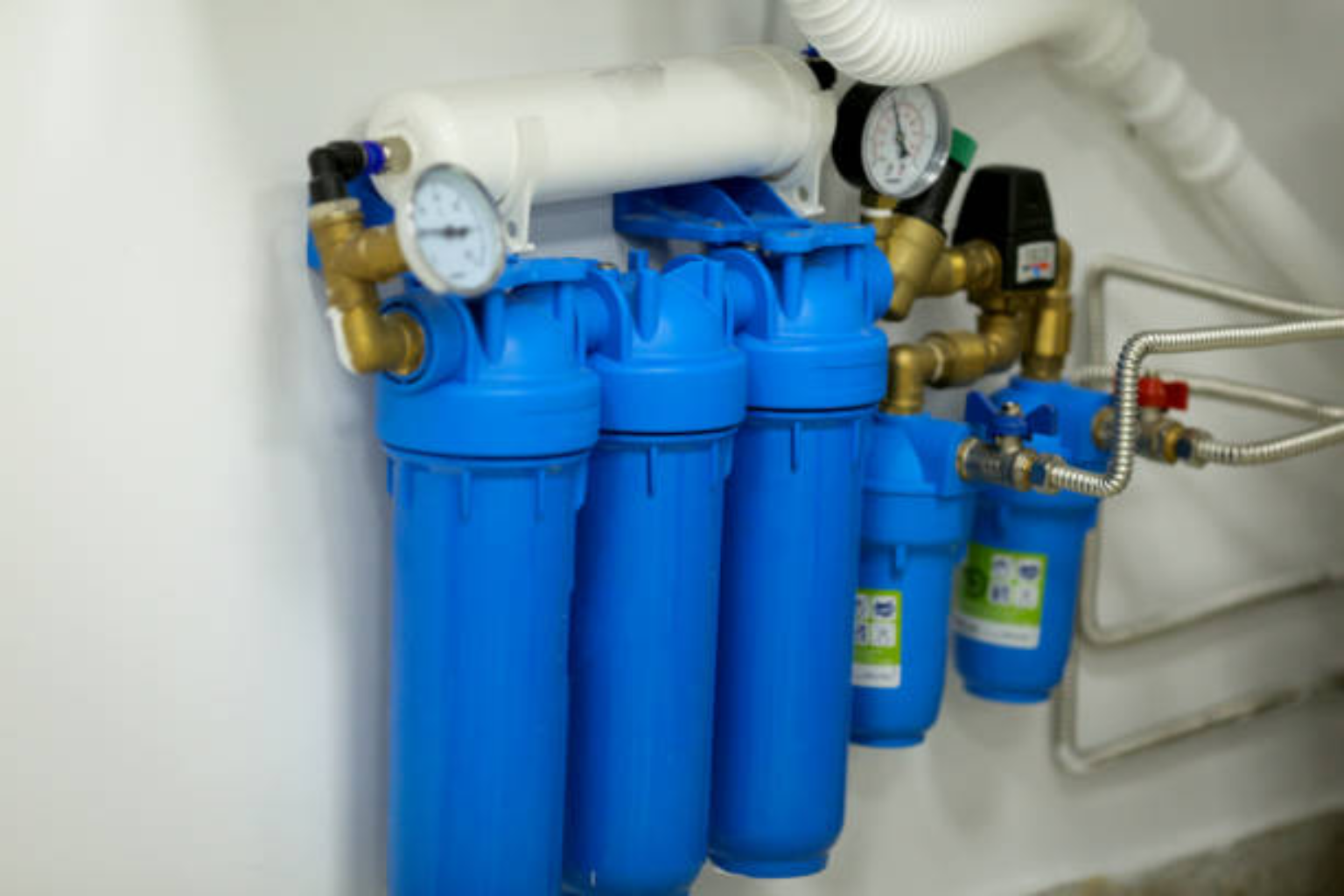
    A quick Brita jug might work fine for drinking water, but it won’t do much for your shower, your dishwasher, or your washing machine. The beauty of whole home water filtration services TX providers install is that they tackle the issue at the source—where the water enters your house. From that moment on, every faucet, showerhead, and appliance benefits.

    It’s not just about taste either. Think about your morning shower. When chlorine and hard minerals are removed before they reach your bathroom, your skin feels less dry, your hair doesn’t frizz as easily, and you don’t need to slather on as much lotion afterward. Cooking becomes more enjoyable too—rice and pasta absorb purer water, coffee tastes less bitter, and even ice cubes look cleaner.


    Common Questions Texans Ask Before Installing

    Of course, most people hesitate before making a big decision like this. Here are the questions that come up most often:

    • Does it remove everything?
      Not quite everything, but close. Quality whole-house systems can filter out chlorine, sediment, metals, and even newer contaminants like PFAS, depending on the filter type.
    • What about maintenance?
      It depends on the system. Some require filter changes every six months, while others last years before needing attention.
    • Is it worth the money?
      When you add up bottled water costs, appliance wear and tear, and the sheer convenience of better water in every tap, most homeowners say yes.

    The Installation Experience

    Let’s be honest—most of us don’t want another DIY weekend project. And the truth is, this isn’t one of those things you should try to tackle with a wrench and a YouTube tutorial. Professional installation makes all the difference.

    When you search for something like whole-house filter installation near me, what you’re really looking for is peace of mind. The right installer checks your home’s water pressure, inspects your plumbing layout, and makes sure the system matches your specific water quality. A bad install can cause pressure drops, leaks, or worse, a system that just doesn’t work the way it should.


    Real-Life Impact: Stories from Around Texas

    One family in Dallas mentioned their daughter’s eczema improved after switching to filtered water for bathing. A retired couple in San Antonio said their dishwasher finally stopped leaving cloudy residue on glasses. A small business owner in Waco noticed employees were drinking more water simply because it tasted better.

    These aren’t miracle stories—they’re everyday reminders of how much water touches our lives. It’s not glamorous, and you won’t brag about it at a dinner party, but the difference is noticeable day in and day out.


    The Bigger Picture: Health, Home, and Environment

    Beyond personal comfort, there’s also the environmental angle. Many Texans rely on bottled water as a quick solution, but that habit adds up—to your budget and to the plastic recycling problem. A whole-house filter reduces that reliance, giving you the confidence to drink from your own tap without second-guessing it.

    On the home front, appliances last longer when scale and sediment aren’t running through them daily. Water heaters, especially, benefit from reduced buildup, which means fewer costly repairs down the road. And while it might not feel like a “health gadget,” cutting down chlorine exposure and heavy metals is one of those subtle long-term decisions that makes sense for families who plan to stay in their home for years.


    So, Is It Time to Take the Leap?

    Nobody wakes up thinking, “I need a water filter today.” It usually starts with small annoyances that pile up until they can’t be ignored. That cloudy glass. That faint odor in the tap. That stubborn dry skin.

    For Texans dealing with the quirks of local water, a whole-house system isn’t overkill—it’s simply a modern upgrade to match modern living. Clean water shouldn’t feel like a luxury, and once you’ve experienced it flowing from every tap, it won’t.


    Final Thoughts

    If you’re still on the fence, start small: get a water test, compare the numbers, and talk to neighbors who’ve made the switch. Chances are, you’ll hear the same thing—they wish they’d done it sooner. Because at the end of the day, investing in cleaner water is really investing in your home, your health, and your peace of mind.

  • Plumbing Woes Solved: Finding Reliable Help When You Need It Most

    Plumbing Woes Solved: Finding Reliable Help When You Need It Most

    There’s never really a good time for plumbing problems, is there? They tend to sneak up on you when you’re already juggling a busy schedule or, worse, right when guests are about to arrive. One minute your home feels like a sanctuary, the next it’s a mini water park you never asked for. That’s the tricky part about plumbing—it hides quietly in the walls and under the floors until something bursts, clogs, or drips its way into the spotlight.

    Living in a small or mid-sized town doesn’t make you immune either. If anything, the importance of finding someone dependable feels even greater. Around here, calling a plumber Hutchinson MN isn’t just about getting a job done; it’s about knowing that person will treat your home like their own and won’t leave you second-guessing their work.


    The Hidden Weight of Everyday Plumbing

    Most of us don’t think much about pipes and drains until they misbehave. But if you pause for a second, plumbing is one of those invisible systems that keep your home running smoothly. It’s the quiet hero behind your morning shower, the unsung helper that lets your washing machine hum along, and the reason your kitchen doesn’t smell like a swamp.

    When something goes wrong—whether it’s a leaking faucet that seems harmless but runs up the water bill, or a stubborn clog that laughs at every bottle of drain cleaner you pour down—the disruption is real. It’s not just water. It’s comfort. It’s hygiene. It’s peace of mind.

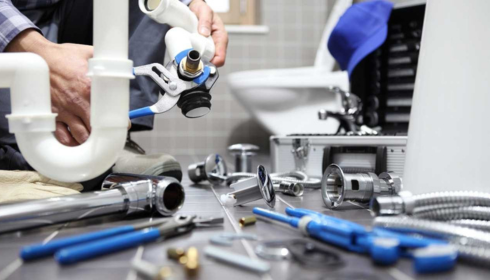
    And sure, some minor issues you might tinker with yourself, armed with YouTube tutorials and a bit of optimism. But when the fix involves shutting off water lines, handling old pipes, or navigating a mess at 2 a.m., most of us know it’s time to call in the professionals.


    Why Local Matters More Than You Think

    There’s a certain comfort in knowing help is just down the road. A national chain might have glossy branding, but they don’t always know the quirks of your neighborhood’s infrastructure or the kind of water your area deals with. Hard water, old pipes, frozen lines in winter—local plumbers have seen it all firsthand.

    That’s why when people type emergency plumbing service near me into their phone during a crisis, they’re not just looking for speed. They’re looking for someone who understands the urgency and can show up quickly without making them feel like just another job on the schedule.

    A local plumber is more likely to explain what’s happening in plain English, give advice for avoiding the same headache next time, and genuinely care about keeping their reputation strong in the community.


    Not All Plumbing Jobs Look the Same

    Here’s the thing: plumbing isn’t one-size-fits-all. There’s the quick fixes, like swapping out a faulty washer in a faucet, and then there are bigger jobs that require precision and patience. Think about a busted water heater that decides to quit in the middle of winter, or a sewer backup that doesn’t just inconvenience you—it makes your house unlivable until it’s resolved.

    For homeowners, residential plumbing repair often covers that middle ground. It’s not a full remodel or new construction, but it’s more than just tightening a bolt. It might be replacing corroded pipes, installing a new water softener, or repairing a toilet that won’t stop running no matter how many times you jiggle the handle.

    Having someone skilled who can balance the quick fixes with long-term solutions is invaluable. You want more than a patch; you want peace of mind that the problem won’t come back with a vengeance next month.


    The Cost of Waiting Too Long

    There’s a funny human instinct to put off repairs, hoping the problem will magically resolve itself. That slow drip from the faucet? You ignore it for weeks until one day you realize it’s been filling buckets you never meant to place. That drain taking longer and longer to clear? Suddenly it’s a full-on clog that requires professional snaking.

    The truth is, plumbing issues rarely get better with time. They escalate. A small leak can lead to water damage in your walls or flooring. A faulty water heater can turn into a complete replacement. That “we’ll deal with it later” attitude often ends up costing more—financially and emotionally.


    Building a Relationship With Your Plumber

    One underrated tip: don’t wait for a crisis to get to know your local plumber. If you’ve had someone over for routine maintenance, like flushing the water heater or inspecting the sump pump, you’ll feel a lot more comfortable calling them when an emergency strikes. There’s already trust built in.

    Think of it like finding a reliable mechanic. Once you know someone’s fair, responsive, and good at what they do, you don’t want to start the search over again. A trustworthy plumber can become part of that small group of go-to people you rely on to keep your home running smoothly.


    Wrapping It Up

    Plumbing may not be the most glamorous topic, but it’s one of those essentials that shapes our daily lives in ways we barely notice—until something goes wrong. When it does, the stress can feel overwhelming. That’s why finding someone reliable, local, and skilled matters so much.

    Whether you’re dealing with an urgent leak in the middle of the night or just planning ahead for routine care, having the right plumber on speed dial makes all the difference. Peace of mind, after all, is worth far more than the cost of a repair.

  • Clean Water, Clear Peace of Mind: Why Houston Homes Deserve Better Filtration

    Clean Water, Clear Peace of Mind: Why Houston Homes Deserve Better Filtration

    If you’ve ever taken a sip of tap water in Houston and felt something was just… off, you’re not alone. Maybe it’s the faint metallic aftertaste, or the chalky residue that seems to coat your glasses. Water is one of those things we take for granted—until the day we notice it’s not as fresh, pure, or safe as it should be. And in a state like Texas, where hard water is practically a household guest, more and more families are waking up to the importance of good filtration systems.

    What’s interesting is how often the conversation around water gets simplified into just “clean” versus “dirty.” But the reality? It’s layered. Water might be technically safe by city standards, yet still not feel right when you drink it, cook with it, or shower in it. That gap—between “technically safe” and “truly healthy”—is exactly where specialized water treatment comes in.


    Houston’s Water Reality

    Houston is blessed with many things—culture, diversity, food that could make you weep tears of joy. But water quality doesn’t always top that list. The city pulls from both surface water and groundwater, which means it brings along a cocktail of minerals, chlorine, and occasional traces of contaminants that sneak past municipal treatment.

    It’s not just about taste, either. Hard water can clog pipes, shorten the lifespan of appliances, and leave skin and hair feeling dry. Families often spend hundreds of dollars on bottled water each year, not realizing that an in-home solution could save them money while actually delivering better quality.

    This is where companies like Southern Water Solutions Houston step in, giving households the chance to take control of their water quality rather than leaving it up to chance.


    More Than Just Filtration: A Lifestyle Upgrade

    Think about it—when your water is better, so many little everyday things improve without you even noticing. Coffee tastes richer. Pasta boils in water that doesn’t add an odd edge to the flavor. You step out of the shower and your skin doesn’t feel like parchment. The laundry comes out softer.

    Water treatment isn’t just a technical upgrade; it’s a lifestyle one. People sometimes assume filtration is only about drinking water, but in truth, it touches every single corner of the home. Even the air you breathe can feel fresher when your water doesn’t pump chlorine vapor into your shower steam.

    That’s why choosing the best water treatment company Texas has to offer is more than just shopping for a piece of equipment—it’s about finding a partner who understands how deeply water affects your daily rhythm.


    The Value of Experts Who Care

    Let’s be honest: the internet is crowded with DIY water fixes and low-cost gadgets that promise miracles. But water isn’t a one-size-fits-all situation. The minerals in your neighborhood might be very different from those on the next street over. What works for one household might be totally ineffective for another.

    That’s the difference between generic solutions and working with true professionals. The home water filtration experts in Houston spend their time actually testing, analyzing, and tailoring systems so they’re not just dropping in a random filter and calling it a day. They treat your water like the unique fingerprint it is.

    And yes, that personalized approach might feel like a bigger investment upfront. But when you consider the long-term savings—less damage to appliances, no more cases of bottled water, reduced plumbing headaches—it’s clear that expert guidance pays for itself many times over.


    What People Really Want From Their Water

    It’s funny how often conversations about water circle back to trust. We don’t just want clean water—we want to believe in it. To pour a glass for our kids and not have the slightest doubt about what’s inside.

    When water feels reliable, life feels easier. You don’t think twice before filling up your reusable bottle. You can cook for family gatherings without worrying about taste or quality. You can step into a hot shower at the end of a long day and let the steam relax you, not irritate your skin.

    This peace of mind is what pushes so many families in Houston to finally make the switch to whole-home systems or advanced drinking water filters. Because at the end of the day, trust in your water isn’t a luxury—it’s a basic need.


    Looking Ahead: A Houston That Values Pure Water

    The demand for better water solutions isn’t slowing down. If anything, it’s growing as awareness spreads. People are realizing they don’t have to accept “good enough” when it comes to their water. They can demand better, and they deserve better.

    Companies that stay committed to innovation, service, and genuine care are leading the charge. Whether it’s advanced reverse osmosis systems, eco-friendly conditioning units, or smart filters that track water quality in real time, the future looks bright for Houston households.

    And while technology keeps evolving, the heart of the matter stays the same: water is personal. It flows through our homes, our routines, and our health in ways we don’t always see until something changes.


    Final Thoughts

    Houston is a city that thrives on resilience, growth, and community. It’s only fitting that its residents are demanding water that reflects that same standard of care. You don’t need to settle for chlorine-heavy tap water or the constant expense of bottled alternatives.

    With the right solutions in place, every glass you pour, every shower you take, every meal you cook can feel just a little bit better. Cleaner. Safer. More reliable.

    Because at the end of the day, good water doesn’t just quench thirst—it nourishes trust, comfort, and peace of mind. And really, isn’t that what every home deserves?

  • Why Choosing the Right Appliance Repair Service Matters More Than You Think

    Why Choosing the Right Appliance Repair Service Matters More Than You Think

    There’s a moment we’ve all faced at some point: standing in the kitchen, staring at a refrigerator that’s humming louder than a jet engine, or a washing machine that’s decided it’s auditioning for a dance competition. Home appliances make life easier, until the day they don’t. And when they fail, it’s not just about the inconvenience. It’s about figuring out who you can trust to fix them without draining your wallet or your patience.

    That’s where the search for a professional appliance repair service really begins. It’s not simply about finding someone who can swap out a part or tighten a screw—it’s about reliability, honesty, and knowing the work will hold up long after the repair person leaves your driveway.


    The Hidden Stress of a Broken Appliance

    It sounds dramatic, but when an appliance breaks down, it throws the whole rhythm of a household off balance. Picture this: you’ve got a full freezer before a weekend barbecue and suddenly the fridge stops cooling. Or your dryer quits right before an important Monday morning meeting, leaving you with a pile of damp clothes.

    In these moments, what most homeowners want isn’t just a fix. It’s reassurance. They want someone who will show up on time, explain things clearly without jargon, and treat the job with the kind of care they’d give their own family. That level of service can turn a stressful day into a manageable one.


    Why Credentials Actually Matter

    Let’s be real: a lot of folks claim they know how to fix appliances. Some probably do, but credentials are what separate a casual “handy” person from a real professional. When you call in certified appliance technicians, you’re not gambling with guesswork. Certification means they’ve gone through the proper training, understand how to safely handle electrical systems, and stay up to date with new models and evolving technology.

    It’s the difference between a quick patch that might fail next month and a repair that gives you confidence for years. And while it might cost a little more upfront, it often saves you from repeat breakdowns, unnecessary part replacements, and frustration in the long run.


    Local Experience Brings Extra Peace of Mind

    Another factor people often overlook is the benefit of local expertise. Technicians who work within your community know the common issues that pop up with certain brands or even in certain neighborhoods. Maybe it’s water hardness causing dishwashers to clog more often, or local power fluctuations that wear out motors faster.

    A neighborhood service provider has seen these patterns before, and that familiarity can shave hours off diagnostic time. Plus, there’s something comforting about hiring someone whose reputation is built around neighbors and word-of-mouth rather than faceless ads.


    A Look at Sloan’s Commitment to Quality

    Take Sloan expert appliance service as an example. They’ve built their name around not just fixing problems but building long-term trust. Customers often talk about how technicians don’t just show up, replace a part, and disappear—they actually explain what went wrong, how to prevent it from happening again, and make sure the machine is running as it should before leaving.

    It’s a small touch, but it makes all the difference. When companies invest in customer relationships, it shows. You don’t feel like just another appointment squeezed into a busy schedule; you feel like your home actually matters.


    The Value of Transparency

    Let’s be honest, one of the most nerve-wracking parts of hiring a repair service is wondering what the bill will look like when it’s all said and done. Transparency in pricing and communication should be non-negotiable. A good technician will tell you upfront what you’re paying for, explain whether a part really needs replacing, and help you weigh whether a repair or a replacement is the smarter choice.

    It’s not just about fixing an appliance—it’s about trust. Nobody wants that awkward moment when a “quick fix” turns into a shocking invoice with hidden fees tacked on.


    Maintenance Advice: The Free Bonus Nobody Talks About

    A repair visit isn’t just about fixing what’s broken; it’s a chance to learn how to keep it from breaking again. Good technicians often throw in small nuggets of advice—like running a cleaning cycle on your washer, keeping coils dust-free on your fridge, or not overloading your dryer. These little tips, if followed, can extend the life of your machines and cut down on costly calls in the future.

    It’s the sort of practical knowledge you don’t always get from manuals, and it’s one of the underrated benefits of hiring real professionals instead of trying to DIY every issue.


    So, What’s the Takeaway?

    At the end of the day, appliances are part of the backbone of modern living. When they break, life gets messy fast. Choosing the right repair service isn’t just about fixing a machine—it’s about protecting your time, your budget, and your peace of mind.

    Whether it’s the assurance of hiring certified appliance technicians, the comfort of a trusted local company, or the transparency that comes from a team who values honesty over shortcuts, the difference is clear.

    And maybe that’s the real point here: a repair service isn’t just about the “repair.” It’s about trust, consistency, and the confidence that when the inevitable breakdown happens, you’ve got someone in your corner who knows exactly what they’re doing.

  • Why Reducing Chlorine in Your Water Matters More Than You Think

    Why Reducing Chlorine in Your Water Matters More Than You Think

    If you’ve ever taken a sip of tap water and thought, “This tastes a little… pool-like,” you’re not imagining things. Chlorine is often added to public water supplies because it’s cheap, reliable, and effective at killing harmful bacteria. The problem is, what works well for disinfection doesn’t always make for the tastiest or healthiest glass of water. Over time, that chemical tang and smell can wear on you—and more importantly, chlorine isn’t entirely harmless.

    So, if you’ve been on the fence about upgrading your water setup, here’s why it might be time to take chlorine reduction seriously.


    The double-edged sword of chlorine in water

    Chlorine has played a huge role in reducing waterborne diseases. Without it, outbreaks of cholera, typhoid, and other nasties would be far more common. But here’s the thing: once chlorine has done its job of killing germs at the treatment plant, it continues traveling with the water all the way to your faucet.

    That lingering chemical presence means you’re still ingesting it daily—through drinking, cooking, and even showering. And while trace levels are considered “safe,” many researchers argue that long-term exposure may increase risks of certain health issues, not to mention the aesthetic downside of flat-tasting, chemical-smelling water.

    It’s no wonder people are increasingly turning to a chlorine reduction water system as a way to keep the benefits of treated water while ditching the side effects.


    Taste, smell, and the comfort factor

    One of the first things people notice after filtering chlorine out of their water is the difference in taste. That odd sharpness? Gone. Coffee tastes richer, tea feels smoother, and even simple pasta or rice cooked in filtered water has a cleaner flavor.

    It’s not just about taste, either. The smell of chlorine can be just as off-putting. Ever turned on the shower and been hit with that unmistakable chemical scent? Removing chlorine can transform the experience, making showers feel fresher and more spa-like instead of reminiscent of a swim lesson.

    A chlorine filter for home isn’t a luxury gimmick—it’s a quality-of-life improvement that most people don’t realize they’re missing until they try it.


    Health considerations beyond the obvious

    Let’s be clear: chlorine isn’t poison. At regulated levels, it’s far less dangerous than the bacteria it’s designed to eliminate. That said, there are some nuances worth knowing.

    When chlorine reacts with organic matter in water (like natural debris or microscopic particles), it can create byproducts known as trihalomethanes (THMs). Long-term exposure to high levels of THMs has been linked in studies to potential health risks, including certain cancers.

    On top of that, chlorine can dry out your skin and hair. If you’ve ever wondered why your skin feels tight after a shower or why your hair feels a little straw-like, chlorine may be partly to blame. People with eczema or sensitive skin often find huge relief once they take steps to remove chlorine from tap water in their homes.


    The options on the table

    The good news is you don’t need to overhaul your plumbing system to start cutting chlorine out of your life. There are several accessible solutions, depending on your goals and budget.

    • Pitcher filters: Simple and inexpensive, though they require frequent cartridge changes. Great for renters or small households.
    • Faucet attachments: Easy to install and remove. They filter right at the tap, though water flow can sometimes feel slower.
    • Shower filters: Targeted for people concerned about skin and hair health.
    • Whole-home filtration systems: The more serious investment. These units connect to your main water line, ensuring that every faucet, shower, and appliance in your house gets chlorine-free water.

    For families or anyone planning to stay put for a while, whole-home systems often deliver the best long-term value.


    A small step with a big payoff

    We live in a world where convenience often trumps everything else. It’s easy to accept the water that comes out of the faucet as “good enough.” But once you make the switch to filtered water, it’s surprising how quickly your standards change.

    Drinking water becomes more enjoyable. Showers feel better. Food tastes subtly but noticeably improved. And for many, peace of mind—knowing you’re minimizing unnecessary exposure to chemicals—might be the biggest benefit of all.

    A lot of homeowners describe it the same way: they didn’t realize how much chlorine was affecting their daily life until it was gone.


    The bottom line

    Clean water isn’t just about removing dirt or bacteria—it’s about creating an experience that’s safe, enjoyable, and supportive of your health. Chlorine did its job getting us here, but that doesn’t mean we have to keep living with its aftertaste.

  • When Water Turns Against You: Tackling Iron and Rust in Selwyn Homes

    When Water Turns Against You: Tackling Iron and Rust in Selwyn Homes

    If you’ve ever filled a glass straight from the tap, only to notice a faint metallic taste or a rusty tint in the water, you’re not alone. Homeowners in Selwyn and surrounding areas often deal with this frustrating issue. Iron in groundwater is common, and while it’s not exactly dangerous in small amounts, it can be a serious nuisance. From staining laundry and bathroom fixtures to clogging appliances and leaving that odd aftertaste, iron makes its presence known in ways that quickly get under your skin.

    The thing is, many families shrug it off at first. They buy bottled water or try pouring lemon juice into their kettles to fight the stains. But over time, those small frustrations pile up—orange streaks in the toilet, murky water in the shower, and a constant worry about what exactly is flowing through the pipes. That’s when people start asking around for reliable solutions, often discovering options like an iron water filter Selwyn professionals recommend.


    The Real Problem with Iron and Rust in Water

    Iron sneaks into household water in different forms. Sometimes it’s dissolved and invisible, only making its presence known when it oxidizes and turns reddish-brown. Other times, it shows up as tiny particles floating around, clouding your glass or settling into a stubborn layer at the bottom of a jug.

    Besides aesthetics, iron-laden water has a long-term impact. Washing machines work harder, dishwashers wear out faster, and your plumbing can build up scale that eventually needs costly repairs. For families that rely on wells in rural Selwyn, this isn’t just about taste—it’s about protecting the heart of the home’s water supply.

    That’s where filtration technology steps in. Instead of endlessly scrubbing stains and replacing appliances sooner than expected, you can cut the problem off at its source. A rust removal water filter system works by trapping those oxidized particles or using media that reacts with dissolved iron, pulling it out before it ever reaches your glass or washing machine.


    Why a Whole-House Solution Just Makes Sense

    At first, some people think a small under-sink filter will do the trick. But if the water that fills your shower, dishwasher, washing machine, and even garden hose is rich in iron, you’re only scratching the surface. Think of it this way: treating just the kitchen tap is like patching one hole in a roof when the whole thing is leaking.

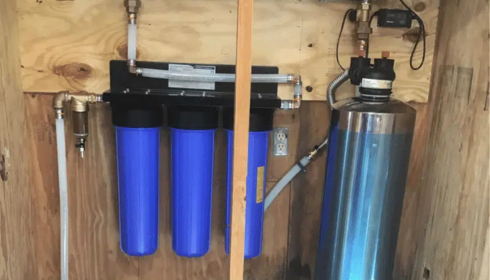
    A whole house iron filtration system solves the problem at the entry point of your home’s plumbing. That means every faucet, every showerhead, and every appliance gets clean water before iron or rust can wreak havoc. You’ll notice the difference almost immediately—whiter laundry, dishes without streaks, and showers that feel fresher because the water isn’t carrying that metallic tang.


    The Local Challenge in Selwyn

    Selwyn isn’t unique in dealing with iron-rich groundwater, but the mix of geology here makes it especially common. Wells tap into underground aquifers that naturally dissolve minerals, and iron just happens to be one of the most stubborn ones. The tricky part is that no two wells are the same. One neighbor might have crystal-clear water, while just down the road, another family battles constant rust stains.

    That’s why water testing matters. Before you can figure out the right filtration system, you need to know what kind of iron is in your supply and how concentrated it is. A professional test takes the guesswork out of it, ensuring you don’t end up buying equipment that doesn’t quite solve the issue.


    Living with Cleaner Water

    Here’s what’s fascinating: once people switch to an iron filtration system, they often realize how much they’d been putting up with before. That little embarrassment of offering guests a glass of cloudy water disappears. The hours wasted scrubbing sinks and tubs fade away. Even coffee and tea taste better because the water is free from the metallic undertone that iron leaves behind.

    And beyond the day-to-day comfort, there’s a quiet peace of mind in knowing your home’s water supply is truly clean. No worrying about appliances breaking down too soon, no constant cycle of scrubbing rust stains, no nagging doubt about what your kids are drinking.


    Final Thoughts: Choosing the Right Path Forward

    Iron and rust in water aren’t just minor annoyances—they’re reminders that what flows through our pipes affects every corner of our daily lives. For families in Selwyn, the solution isn’t temporary fixes or store-bought filters that only help a little. It’s about investing in something that treats the whole home, protects your appliances, and restores confidence in every glass of water you pour.

    Whether you’re considering a simple test kit or leaning toward a professional installation, the first step is acknowledging that you don’t have to live with rusty water forever. With the right system in place, clear, fresh-tasting water becomes the new normal—and that’s a change worth making.

  • When the Drip Becomes a Headache: Why Reliable Plumbing Matters More Than You Think

    When the Drip Becomes a Headache: Why Reliable Plumbing Matters More Than You Think

    There’s a funny thing about plumbing—you don’t notice it when it’s working, but the moment something goes wrong, it takes over your life. A dripping faucet seems harmless until you realize it’s been filling buckets in your sleep. A clogged drain feels like a minor nuisance, but it can turn into a full-blown mess faster than you can grab a plunger. And if you’ve ever had your hot water cut out mid-shower on a cold winter morning, well, that’s the kind of story people remember for years.

    The truth is, plumbing is one of those quiet backbones of a home. We rely on it constantly, without ever giving it much thought—until it gives us no choice.


    Why You Need More Than a Quick Fix

    It’s tempting to treat plumbing like a DIY challenge. There are endless tutorials online promising you can unclog a pipe with baking soda, vinegar, and some elbow grease. And sure, sometimes that works. But when the problem runs deeper—literally—you need expertise, not trial and error.

    This is where a trustworthy Residential plumbing repair service comes into play. It’s not just about patching a leak or tightening a loose faucet; it’s about understanding the entire system that runs behind your walls and beneath your floors. A skilled plumber sees what most of us miss. They recognize the signs of bigger issues before they spiral into emergencies. Think of it less like a bandage and more like preventative healthcare for your house.


    The Hidden Cost of Ignoring Leaks

    Most homeowners shrug off a small leak. “It’s just a drip,” they say, turning up the TV volume to drown it out. But water has a sneaky way of compounding problems. That constant drip can damage flooring, weaken drywall, and even invite mold. The financial hit can snowball—what started as a $50 fix might morph into a $5,000 renovation.

    That’s why having access to a local Pipe leak repair service isn’t just convenient, it’s essential. These pros know that water doesn’t play fair, and the sooner it’s stopped, the less damage it can cause. Beyond saving money, it saves you stress. Because let’s be honest—nobody wants to spend their weekend mopping up water and calling contractors for estimates on drywall replacement.


    More Than Pipes and Wrenches

    The phrase “plumber” sometimes makes people picture someone showing up with a toolbox and a few pipes slung over their shoulder. In reality, the field has expanded far beyond that. Modern plumbing isn’t just about fixing leaks—it’s about integrating comfort, safety, and efficiency into your home.

    This is especially true when you look at Plumbing and heating services. These two areas are often connected, working hand-in-hand to keep a home livable. From radiant floor heating systems to tankless water heaters, the technology has grown leaps and bounds. A reliable plumber today often doubles as a heating expert, ensuring your showers run hot, your floors stay warm, and your home isn’t guzzling energy unnecessarily.


    The Human Side of the Trade

    Here’s something that doesn’t get talked about enough: good plumbers are part problem-solvers, part therapists. When you’re panicked because water is gushing out of a burst pipe, they’re the calm voice saying, “I’ve got this.” When you’re frustrated because your brand-new sink won’t stop leaking, they’re the ones who reassure you it’s fixable.

    There’s a comfort in having a professional step in when things feel overwhelming. Plumbing isn’t glamorous work, but it’s deeply human. It’s about restoring normalcy, keeping families comfortable, and ensuring homes stay safe.


    Signs It’s Time to Call the Experts

    How do you know when it’s time to stop tinkering and pick up the phone? A few red flags:

    • Water pressure drops suddenly. This could mean a hidden leak or a bigger issue in your main line.
    • Persistent clogs. If your drains keep backing up even after plunging, there may be a blockage deeper in the system.
    • Water discoloration. Rust-colored water isn’t just unsightly—it can signal corrosion in pipes.
    • Unusual smells. A sewer-like odor in your home isn’t something to ignore.

    If any of these sound familiar, it’s probably not the time for a DIY experiment.


    Investing in Peace of Mind

    Homeownership comes with plenty of responsibilities—mortgage payments, yard work, the occasional roof repair. Plumbing might not feel like the most glamorous thing to budget for, but it’s one of the most practical. A reliable plumber saves you more than money; they save you time, hassle, and countless headaches.

    Think of it this way: when you hire the right professional, you’re not just fixing a problem in the moment. You’re investing in the future comfort of your home. You’re making sure the showers run hot, the toilets flush without drama, and the pipes don’t suddenly burst at 3 a.m. on a holiday weekend.


    Wrapping It Up

    At the end of the day, plumbing is one of those things you only appreciate when it goes wrong. But instead of waiting for disaster to strike, it’s worth building a relationship with a professional you can trust. The best plumbers don’t just show up in emergencies—they become part of your home’s long-term care plan.

    So the next time you hear that faint drip in the middle of the night, don’t ignore it. Don’t drown it out with the TV. See it for what it is: a reminder that water is powerful, and your home deserves the kind of care that only experienced hands can provide.