Category: Home Services

  • Reliable Plumbing for Everyday Life in Denver City

    Reliable Plumbing for Everyday Life in Denver City

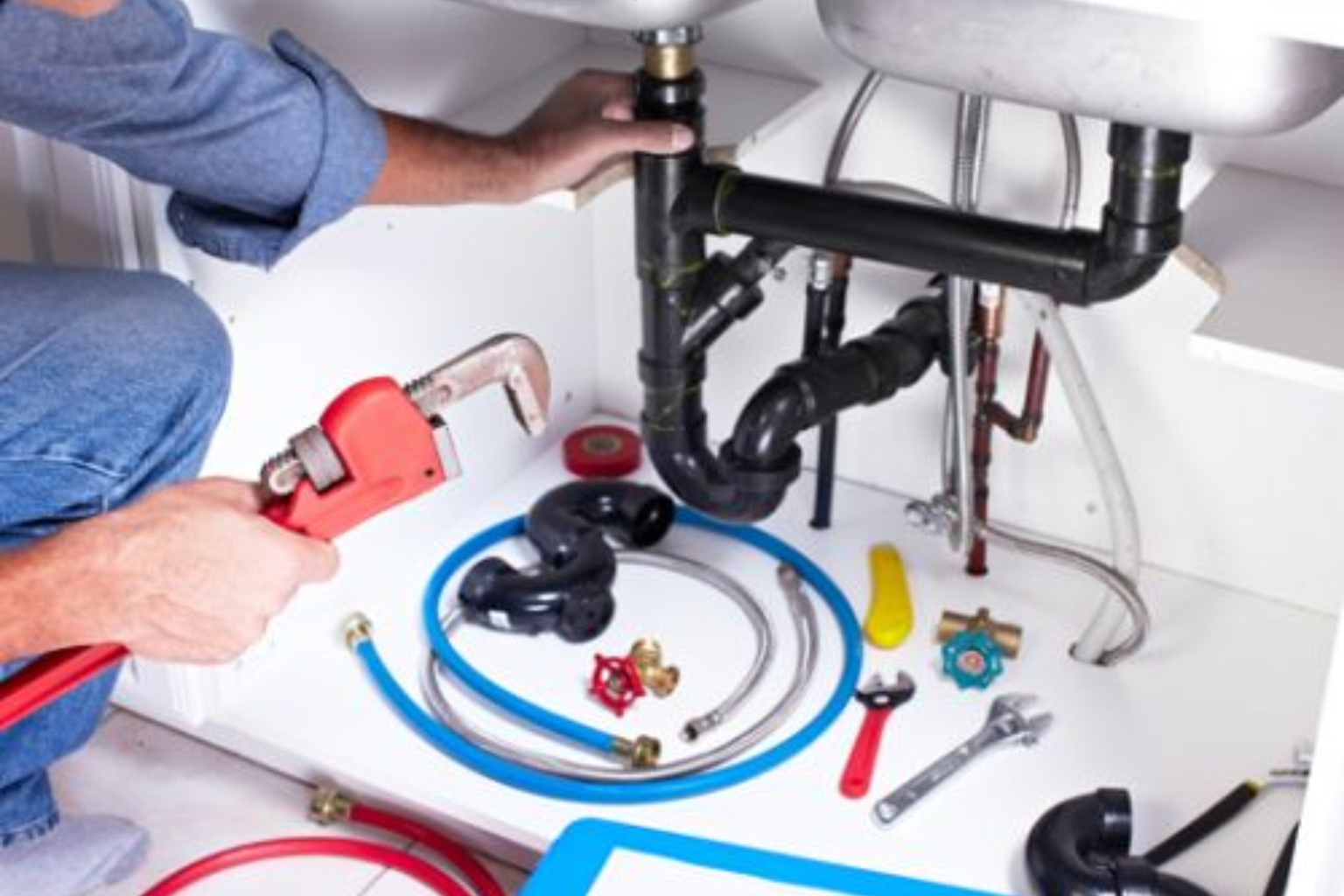
    Plumbing has a way of sneaking into our lives at the least convenient times. A faucet drips all night, the shower pressure fades to a trickle, or worse, a pipe bursts just when you’ve got guests staying over. Most of the time, we don’t think twice about the systems working quietly behind our walls. But the moment something goes wrong, it becomes impossible to ignore.

    That’s when it helps to already know a trusted plumber in Denver City TX who can step in without delay. Not just someone who knows their way around pipes, but someone who understands the urgency when your home or business is disrupted. In smaller communities, reputation counts for more than flashy advertising, and people remember the names of those who fix problems quickly and treat customers with respect.


    The Small Fixes Matter More Than We Think

    It’s not always the big emergencies that make life difficult. Sometimes it’s the slow-draining sink that keeps getting worse or the toilet that insists on running endlessly. These “small” issues often feel manageable until one day they aren’t. And when they’re left unchecked, they lead to higher water bills or damage that could’ve been avoided.

    Taking care of those minor headaches before they snowball is what keeps a household running smoothly. Professionals don’t just fix what’s obvious; they spot the underlying problems. A good plumber notices the early signs of pipe wear or water heater strain, saving you from bigger expenses later on.


    Plumbing for Local Businesses

    Denver City isn’t just made up of homes. Local shops, schools, and restaurants all rely heavily on plumbing, maybe even more than homeowners realize. A kitchen that grinds to a halt because of a clogged drain or a school restroom that’s out of order during a busy day—those aren’t just inconveniences, they’re disruptions that ripple through daily life.

    That’s why companies offering reliable plumbing repair Denver City services are so valuable. They don’t just serve individuals, but the whole community by keeping businesses running and public spaces comfortable. When the plumbing works, nobody thinks about it. But when it fails, everything else suddenly feels off balance.


    Water Heaters, Pressure, and All the Unseen Work

    There’s something quietly comforting about hot water always being ready when you need it. Showers, dishwashing, laundry—all depend on it. When a water heater falters, it disrupts more than just comfort; it interrupts routines. The same goes for water pressure that dips unexpectedly or mysterious leaks that show up as damp spots on the wall.

    Behind these day-to-day conveniences lies a whole system of connections most of us never see. That’s why experienced plumbers matter—they know how to diagnose issues that aren’t obvious and provide solutions that last.


    Local Experience Counts

    There’s a difference between hiring someone from a big out-of-town company and calling on people who actually know Denver City. Local pros understand how water quality here affects pipes and fixtures, they’ve worked on the older houses with tricky layouts, and they know the demands businesses face when something breaks.

    One name that often comes up in conversations is Kenzie Plumbing Texas services, a provider known for reliability and that “neighborly” approach that puts people at ease. When you live in a smaller community, word travels fast, and companies that combine skill with trustworthiness quickly earn loyal customers.


    Emergencies Don’t Wait for Office Hours

    Plumbing problems rarely strike when it’s convenient. They love to show up at midnight, or right before a holiday weekend. That’s when having a number saved for someone who will actually pick up the phone matters most.

    Emergency calls aren’t just about fast fixes—they’re about reducing stress. The reassurance that someone is on their way, even in the middle of the night, makes the chaos a little easier to manage. And once the issue is solved, most homeowners don’t forget who came through for them when it mattered.


    The Balance Between Cost and Quality

    Let’s be real: nobody enjoys paying for plumbing repairs. But most people also know that chasing the cheapest option often backfires. A fix that doesn’t last costs more in the long run. What customers in Denver City really want is clear, fair pricing and dependable work. Transparency goes a long way—knowing the estimate, understanding the steps, and not being surprised by hidden fees.

    It’s this balance—affordability without cutting corners—that makes people trust certain plumbers enough to call them back again and again.


    Prevention Is Cheaper Than Repairs

    Here’s a truth we don’t always want to hear: maintenance is cheaper than emergencies. Having systems checked, drains cleaned, and heaters serviced might feel like extra expense in the short term, but it prevents the kind of big-ticket disasters that come from neglect.

    A good plumber doesn’t just show up to fix what’s broken; they help homeowners and businesses think ahead, catch potential issues, and avoid unnecessary stress. It’s like changing the oil in your car—you don’t wait for the engine to seize before taking action.


    Wrapping It Up

    Plumbing might not be the first thing on your mind most days, but it’s the backbone of daily comfort. Showers that work, sinks that drain, toilets that flush, businesses that operate smoothly—it all depends on systems we rarely see. And when those systems break, the importance of skilled, reliable help becomes crystal clear.

    In Denver City, that means turning to professionals who don’t just fix problems but understand the community they serve. Whether it’s a small repair, a commercial project, or a late-night emergency, the right plumber brings more than tools—they bring reassurance, experience, and the ability to restore calm when everything feels upended.

    Because in the end, plumbing isn’t just about pipes and fixtures. It’s about keeping homes livable, businesses running, and life moving without the constant drip of worry in the background.
  • Why Clean Water Systems Matter More Than Ever in Our Homes and Businesses

    Why Clean Water Systems Matter More Than Ever in Our Homes and Businesses

    There’s something almost comforting about turning on the tap and trusting the water that flows out. It feels like such a simple everyday act, yet behind it lies a hidden web of pipes, systems, and technology that most of us don’t give a second thought. Until, of course, something goes wrong. That’s when water quality stops being an invisible background detail and suddenly becomes a very real part of daily life.

    From homes dealing with hard water stains on dishes, to restaurants relying on spotless glassware for customers, to factories needing precise filtration for their equipment, water systems quietly influence more than we realize. And maintaining them isn’t just about convenience—it’s about health, safety, and even cost savings.


    When Hard Water Becomes a Hard Problem

    If you’ve ever noticed your showerhead clogging, or white chalky deposits on your faucets, chances are you’re familiar with the side effects of hard water. Minerals like calcium and magnesium build up over time, and while they won’t harm you directly, they wreak havoc on appliances and plumbing.

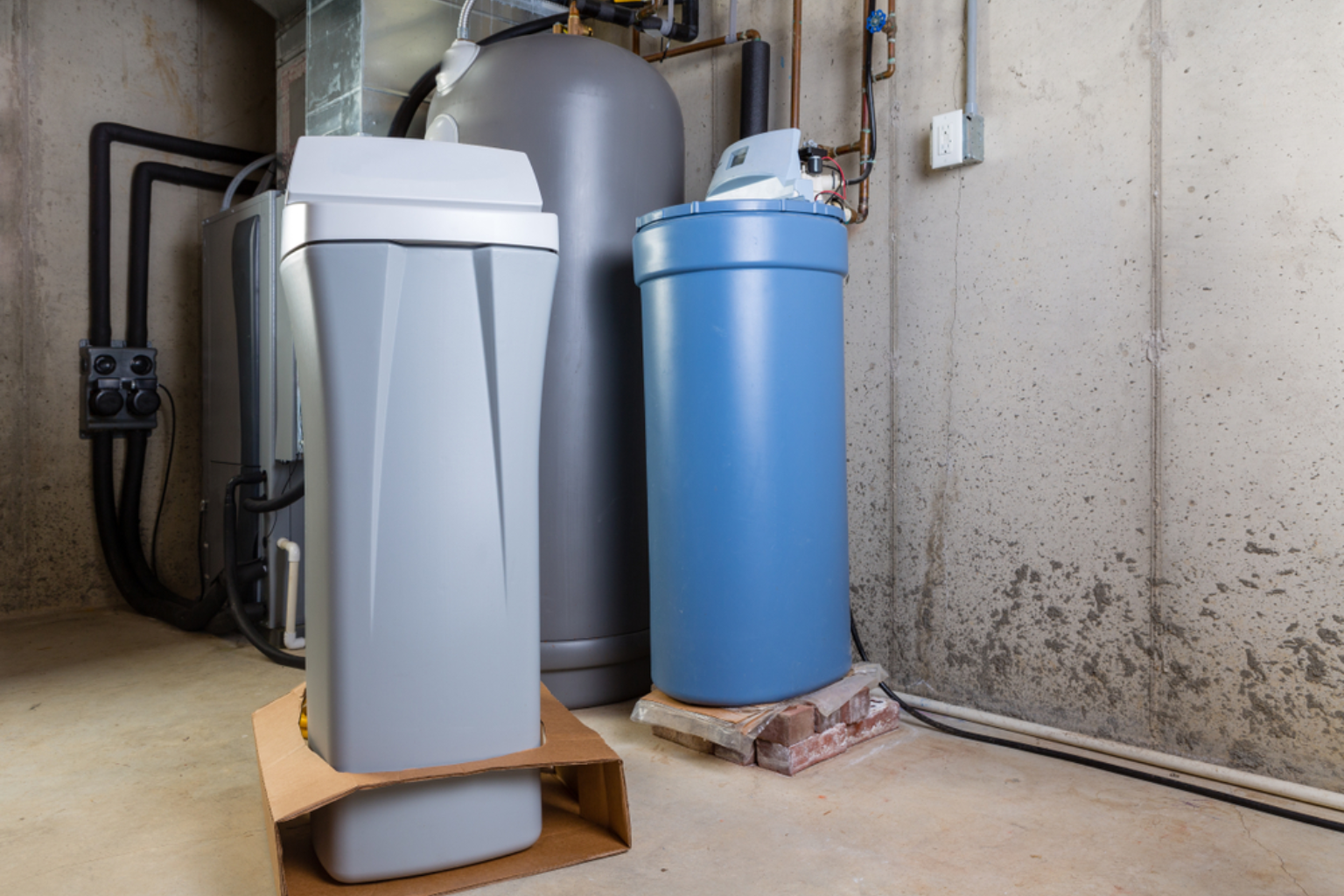
    That’s why so many households invest in water softeners. They reduce the mineral load, making water gentler on everything it touches. But like any piece of equipment, a softener can malfunction—resin beads wear out, valves get stuck, or the system simply stops regenerating the way it should.

    This is where calling for expert water softener repair can make all the difference. Not only does it extend the life of your appliance, but it also saves you from long-term expenses like replacing corroded pipes or dealing with a hot water heater that gave up too soon. Think of it less as a repair bill and more as an insurance policy for your home’s plumbing future.


    Why Filtered Water Feels Like a Small Luxury

    There’s something refreshing about drinking water that tastes crisp and clean, without the faint metallic tang or chlorine aftertaste some taps deliver. For many households, filtration systems bridge the gap between what comes through the municipal line and what feels truly safe to drink.

    Installation is where a lot of people hesitate, though. The idea of tinkering under the sink or handling pipes can be intimidating. But done properly, filtration systems can be a game changer, providing peace of mind with every sip of water or pot of pasta you boil.

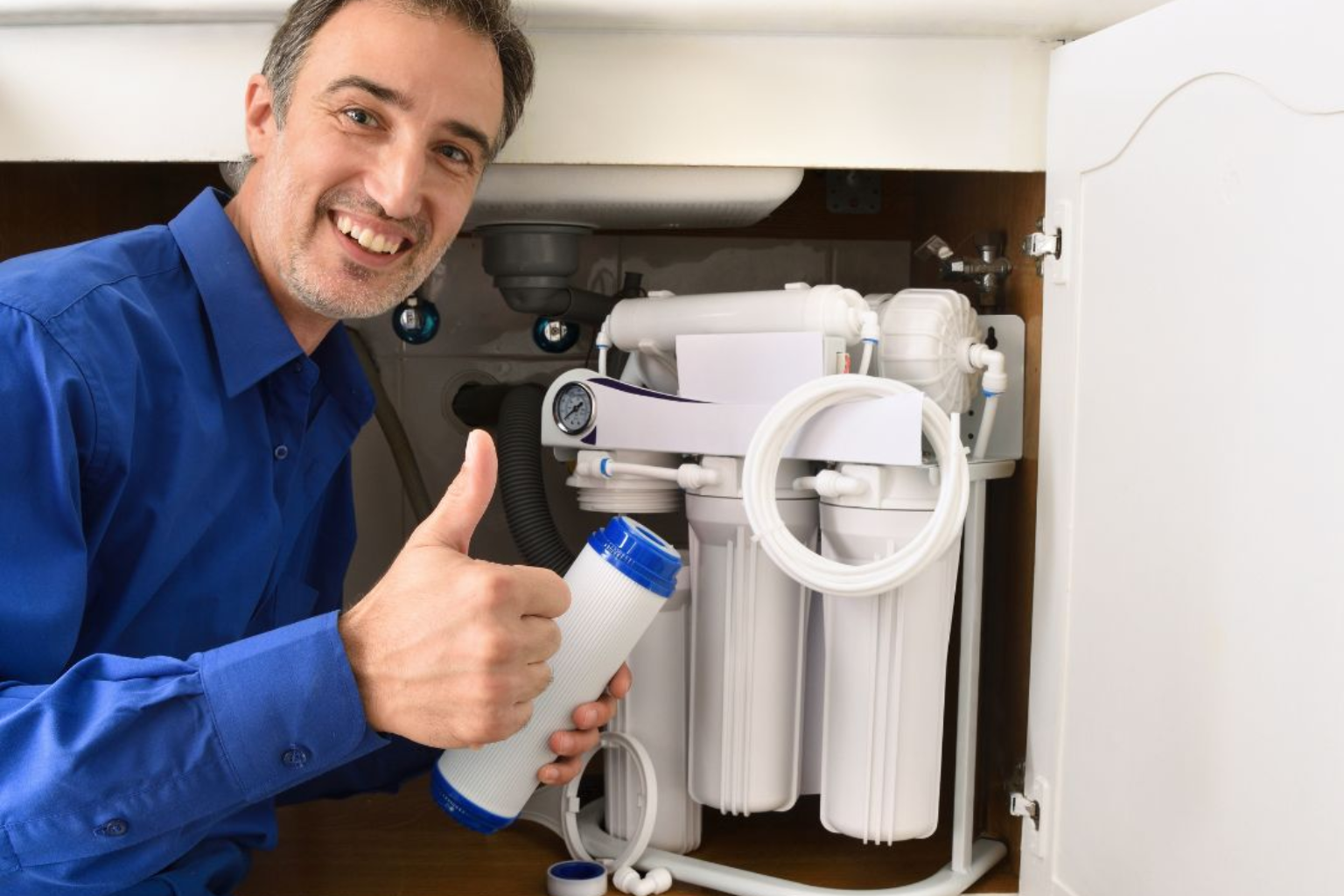
    And that’s exactly why more families are turning toward professional help for residential water filters installation. A well-fitted system doesn’t just improve taste—it reduces potential contaminants, helps sensitive skin by lowering chemical exposure, and even makes cooking feel a little more elevated. Because honestly, doesn’t your morning coffee deserve the cleanest water possible?


    The Business Side of Clean Water

    For businesses, water isn’t just a utility—it’s often the backbone of daily operations. A bakery needs it for dough, a hotel needs it for laundry, a healthcare facility needs it for sterilization. In these environments, water quality is tied directly to reputation and compliance.

    That’s why companies can’t afford to ignore routine check-ups. Small leaks, unnoticed mineral build-up, or pressure issues can cascade into larger problems that disrupt workflows and cost thousands in downtime. It’s less about reacting to emergencies and more about preventing them altogether.

    Scheduling a commercial water system inspection is a proactive move that ensures everything runs smoothly behind the scenes. These inspections catch inefficiencies early, confirm systems are up to code, and even help businesses plan smarter budgets by predicting when upgrades will be needed. It’s the kind of quiet maintenance that customers never see—but definitely feel in the quality of service they receive.


    A Blend of Health, Savings, and Comfort

    When you zoom out, it becomes clear: water systems aren’t just about pipes and tanks. They’re about the daily experience of living well. Clean water means healthier families, less strain on household appliances, and fewer unexpected repair bills. For businesses, it means satisfied customers, compliance with regulations, and predictable costs instead of emergency spending.

    And the beauty of it all? Most of these outcomes depend less on dramatic overhauls and more on small, consistent actions—repairs when needed, professional installations, and routine inspections.


    The Overlooked Value of Expertise

    There’s a tendency these days to assume we can fix almost anything with a quick internet search. Tutorials are everywhere, and DIY solutions can be tempting. But when it comes to water systems, experience often saves you from costly mistakes. A poorly installed filter can leak. A half-done softener repair might mask a problem instead of solving it. An unchecked business system can fail at the worst possible moment.

    Experts bring more than tools—they bring a practiced eye, an understanding of regulations, and the ability to solve problems quickly. It’s not about paying for what you could learn to do yourself. It’s about ensuring it’s done right, the first time.


    Everyday Life, Elevated

    At the end of the day, water is personal. It’s in your morning routine when you brush your teeth. It’s in the soup you make for your kids. It’s in the glass a guest asks for when they stop by. And it’s in the unglamorous but essential parts of running a business, like spotless dishes or safe sterilization.

    We rarely stop to thank our water systems when they’re doing their job. But the moment they falter, they remind us how much we depend on them. So whether you’re scheduling a repair, planning an installation, or simply setting up a yearly inspection, it’s worth viewing it less as maintenance and more as an investment in daily comfort and trust.

    Because good water, at home or at work, has a way of making everything else just a little bit better.

  • When Your Microwave Stops Working: A Real Look at Repair Options

    When Your Microwave Stops Working: A Real Look at Repair Options

    We don’t think about microwaves much—until they stop working. That little hum you hear when heating up leftovers, the quick ding after your coffee’s reheated, or even the way it saves you from cooking an entire meal when you’re too tired—those small conveniences feel invisible until they vanish. And when they do, most of us are left standing in the kitchen, staring at a silent box, wondering if we should fix it, replace it, or just accept cold pizza as a new lifestyle.

    Microwaves aren’t luxury appliances anymore. They’re part of our daily rhythm, the thing you rely on to keep mornings moving or late dinners from turning into a full production. So when something goes wrong—maybe it’s not heating evenly, or it starts making strange noises—it’s not just a minor annoyance. It’s a disruption to everyday life.


    The Common Culprits Behind Microwave Trouble

    Before you panic, it helps to understand that most microwave issues aren’t catastrophic. Sometimes it’s as simple as a worn-out door switch, a fuse that blew, or a turntable motor that’s given up after years of loyal spinning. Other times, the problem hides deeper inside—like magnetron failure, which sounds more like a sci-fi villain than a broken heating element.

    For many of these issues, a quick fix from a professional is all you need. Searching for microwave repair service near me often reveals local technicians who can diagnose and solve the problem without draining your wallet. The right expert can usually get your appliance working again in less time than it takes you to decide on a replacement model online.


    Why Birmingham Homeowners Rely on Local Repair Pros

    If you’re based in Alabama, you’ll notice that finding microwave repair Birmingham AL comes with its own perks. Local repair companies understand the urgency—people don’t want to wait weeks for parts to ship or pay for national service chains that treat you like just another number. A neighborhood repair shop tends to be quicker, more personal, and often more affordable. Plus, you’re supporting local business, which feels like a win-win when you get your microwave humming again without overspending.

    And here’s the truth: not every broken microwave belongs in the trash. Replacing an appliance every time it hiccups isn’t exactly budget-friendly, and it’s definitely not environmentally sound. A good repair can stretch the lifespan of your microwave by years, saving money and cutting down on waste.


    The Special Case of Over-the-Range Microwaves

    Countertop models are one thing—you can replace them easily if they go south. But over the range microwave repair is a whole different story. These are built-in units, often paired with a venting system, and replacing them can turn into a bigger home project than you bargained for. Suddenly, you’re dealing with measurements, cabinetry, and installation costs on top of buying a new appliance.

    That’s where repair really shines. Fixing the existing unit not only saves you the headache of remodeling but also ensures your kitchen stays intact. A professional who specializes in this kind of work knows how to access tricky components without damaging the setup. It’s less about just fixing the machine and more about protecting the flow of your kitchen.


    When to Repair, When to Replace

    So here’s the million-dollar question: should you fix it, or just get a new one? There’s no universal answer, but a few rules of thumb help:

    • Age of the microwave: If it’s under five years old, repair almost always makes sense. Older than ten, replacement might be smarter.
    • Cost of repair vs. replacement: If the fix costs more than half the price of a new model, it may not be worth it.
    • Special features or fit: Built-ins, smart models, or units that match your kitchen aesthetic often lean toward repair.
    • Frequency of issues: One-off problem? Repair. Constant breakdowns? Time to move on.

    It’s not always about money, though. Some people just prefer to keep what they already have—maybe it’s the perfect size, or maybe they just don’t want to deal with the hassle of shopping for a replacement.


    The Hidden Benefits of Repairing

    Repair isn’t just about convenience—it’s about sustainability too. Every appliance we toss adds to the growing pile of electronic waste, much of which ends up in landfills. By choosing to repair instead of replace, you’re making a small but meaningful choice that helps the environment. It’s not glamorous, and it won’t get you a pat on the back, but it matters.

    There’s also something satisfying about giving new life to something you thought was done for. Watching a once-dead appliance spring back to action after a simple part replacement has a way of making you appreciate it more.


    Finding the Right Technician

    Not all repair services are created equal. The key is finding someone reliable, transparent, and skilled enough to actually solve the problem. Look for:

    • Experience: Years in business often means they’ve seen it all.
    • Warranty: A good repair service backs their work.
    • Reviews: Real customer experiences tell you what to expect.
    • Upfront pricing: No one likes surprise costs tacked on at the end.

    The right repair person won’t just fix your microwave—they’ll save you time, money, and frustration.


    Wrapping It Up

    Microwaves might be small compared to refrigerators or ovens, but they hold a big place in our everyday routines. When they stop working, it feels like more than just an inconvenience—it feels like a piece of normal life just vanished. Luckily, in most cases, repair is a quick, affordable way to bring that normalcy back without diving into the chaos of buying new.

    So the next time your trusty microwave goes dark, don’t rush to replace it. Take a breath, consider your options, and maybe call in a professional who can bring it back to life. Sometimes, the simplest solution is just giving what you already own a little more care.

  • Clean Water at Home: Why UV Systems Are Changing the Way We Drink and Live

    Clean Water at Home: Why UV Systems Are Changing the Way We Drink and Live

    If you’ve ever turned on your tap and hesitated before taking a sip, you’re not alone. Millions of households depend on groundwater, and while well water can be crisp and refreshing, it often comes with invisible risks. Bacteria, viruses, and microorganisms that sneak in through cracks in the system aren’t things you can see, smell, or taste. And yet, they can turn a safe glass of water into something dangerous. That’s where ultraviolet (UV) disinfection quietly steps in — no chemicals, no strange aftertaste, just pure, reliable water you can trust.

    The Invisible Problem in Well Water

    Most people assume if their water looks clear, it must be clean. The truth? Not necessarily. Well water, unlike municipal sources, doesn’t always go through rigorous centralized treatment. Even if you’ve been using the same well for decades, environmental changes, heavy rains, or nearby construction can introduce new contaminants. Families relying on wells often look for solutions that don’t add chlorine or other chemicals to their drinking water.

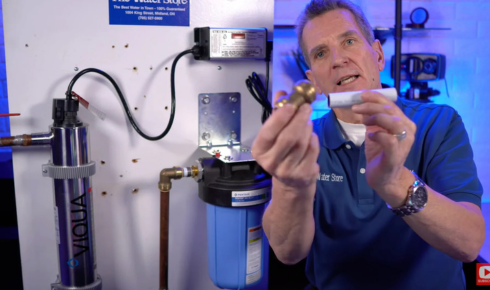
    That’s exactly why many homeowners are now turning toward a UV disinfection system for well water. These systems use ultraviolet light to neutralize harmful microorganisms instantly, without altering the natural taste or smell of the water. It’s a silent layer of protection that works behind the scenes — one that you don’t have to constantly monitor.

    Why UV Is So Effective

    UV technology works on a simple but powerful principle: when microorganisms are exposed to ultraviolet light at the right wavelength, their DNA is disrupted, preventing them from reproducing or causing illness. In practice, this means you’re stopping the spread of E. coli, Giardia, Cryptosporidium, and countless other microscopic threats right at the source.

    What’s refreshing about UV compared to traditional methods is its simplicity. There are no chemical reactions, no residuals, and no complicated daily maintenance. A light bulb (albeit a very special one) is the core of the system. Replace it annually, keep the quartz sleeve clean, and it just does its job without fuss.

    Thinking Beyond Just Drinking Water

    When people hear “water treatment,” they often imagine filtered pitchers or fancy faucet attachments. But the reality is — water touches nearly every part of our home life. From showers to dishwashers, washing machines to garden hoses, the water you use is part of your daily rhythm. That’s why more households are choosing to protect their entire plumbing setup, not just the kitchen tap.

    Getting a whole house uv water filter ensures that every drop of water entering your home passes through that protective barrier of UV light. This means safer showers for kids, worry-free rinsing of vegetables, and even healthier conditions for pets. It’s one of those upgrades that doesn’t just benefit you but your entire environment inside the home.

    Installation Isn’t as Scary as It Sounds

    If you’re like most homeowners, the word “installation” probably makes your brain jump to plumbing bills, headaches, and hours of confusion. But here’s the good news: UV systems are designed with simplicity in mind. They’re usually mounted where the water line enters your home, after any sediment or carbon filters. This ensures the water is clear enough for the UV light to do its job effectively.

    A professional plumber can usually complete a UV water treatment system installation in a single visit. And for the more hands-on folks, many models come with straightforward manuals that make DIY setups surprisingly approachable. Once installed, the system just runs quietly, only asking for a bulb replacement each year.

    Balancing Costs and Peace of Mind

    Let’s talk money. A lot of people wonder whether UV water systems are worth the investment. Sure, the upfront cost is higher than a basic faucet filter, but when you step back, the math is convincing. The annual maintenance is minimal, you’re not constantly buying replacement cartridges or bottles of disinfectant, and you’re avoiding the health costs and stress of contaminated water.

    It’s not just about what you save — it’s about the priceless reassurance every time you pour a glass of water or fill your child’s bath. For many families, that peace of mind alone makes the system more than worth it.

    Living With a UV System Day to Day

    What does it actually feel like to live with UV-protected water? Honestly, it feels… normal. That’s the beauty of it. You don’t taste anything different, there’s no strange odor, and you don’t need to change your habits. The biggest difference is psychological: you stop worrying. You wash your lettuce without second-guessing, you refill your water bottle without hesitation, and you let the kids splash around without nagging concerns in the back of your head.

    It’s not an “in your face” change, but more like a subtle upgrade that improves the backdrop of your daily life. You notice the absence of worry more than anything else.

    Wrapping It Up: A Simple Choice for a Safer Life

    At the end of the day, clean water is one of those basic needs that shouldn’t come with question marks. Technology has made it possible for us to take control of our water quality without adding chemicals or overcomplicating things. UV treatment isn’t just another gadget for your home; it’s a long-term investment in health, safety, and peace of mind.

    Whether you’re looking at protecting your family’s well water, upgrading your home system, or simply tired of second-guessing what’s coming out of the tap, ultraviolet treatment offers a straightforward solution. Safe water, no aftertaste, no constant maintenance — just a reliable safeguard working quietly in the background.

    Sometimes the simplest technologies end up being the most life-changing. And for many households, UV water systems have become exactly that.

  • When the Microwave Stops Microwaving: What to Know About Local Repairs and Getting Back to Easy Meals

    When the Microwave Stops Microwaving: What to Know About Local Repairs and Getting Back to Easy Meals

    Let’s be honest—microwaves don’t get the credit they deserve. Sure, they’re not flashy like a new smart fridge or as revered as a gas range, but they’re the quiet workhorses of the kitchen. Morning coffee reheat? Done. Quick leftovers? Handled. Melted butter for baking? Perfectly timed. It’s the appliance we all rely on when we need food, fast.

    So when it stops working? It’s not just annoying—it’s chaotic. Suddenly, you’re awkwardly trying to toast last night’s lasagna or warm soup on the stovetop and wondering how people survived in the pre-microwave era. Sound familiar? That’s when your search history quickly becomes a series of variations on “microwave repair near me.”

    The good news? Most issues are fixable. And you’re not the only one who’s had a microwave go rogue at the worst possible moment.


    Microwaves: Small Appliance, Big Impact

    Think about how many times you use your microwave in a week. Or a day. It’s not just for reheating anymore. You probably use it for everything from defrosting chicken to steaming veggies to making mug cakes at midnight.

    Microwaves make life easier—until they don’t. And when they stop doing their job, that ease vanishes. Fast.

    Whether it’s a cheap countertop model or a built-in over-the-range unit, when your microwave fails, your kitchen rhythm takes a hit.


    What Goes Wrong With Microwaves?

    Microwaves might look simple on the outside—door, keypad, light—but they’ve got a lot going on under the hood. Magnetrons, capacitors, diodes, fuses… the inner workings are more complex than most people realize.

    Here are some of the most common microwave problems:

    • It’s not heating food – Usually a sign of a faulty magnetron or capacitor.
    • Sparks or burning smells – That’s your cue to stop using it immediately.
    • Turntable not spinning – Could be a bad motor or worn-out coupler.
    • Touchpad or buttons not working – Control panel issues or internal wiring problems.
    • Strange noises – Buzzing, humming, or grinding means something’s off.
    • The door won’t close or seal properly – Which means the microwave won’t run.

    Any one of these issues can turn your microwave into a fancy-looking storage box. But the good news? A professional can usually fix it—and often faster than you’d expect.


    DIY or Don’t: Should You Try Fixing It Yourself?

    Here’s the thing: microwaves are not the most DIY-friendly appliances. Unlike swapping a fridge water filter or tightening a stove knob, working inside a microwave comes with real risk—like electric shock risk.

    Even unplugged, some microwave components (like the high-voltage capacitor) can retain a dangerous charge. So unless you’re trained and know exactly what you’re doing, this isn’t the place to experiment.

    Sure, you can check for obvious things like a blown fuse (if you’re comfortable doing so), or make sure the outlet isn’t the problem. But for anything involving heat generation, wiring, or internal components? Call a pro.


    What to Look for in a Microwave Repair Technician

    So, you’ve decided to call for help. Great. Now comes the next challenge: choosing someone you trust. A good microwave oven repair technician doesn’t just get the unit working again—they do it safely, efficiently, and with no mystery charges tacked on.

    Here’s what to look for:

    • Experience with your microwave type – Whether it’s countertop, built-in, or over-the-range.
    • Familiarity with your brand – Samsung, GE, Panasonic, LG… they all work a bit differently.
    • Fast response times – Because no one wants to eat cold leftovers for a week.
    • Transparent pricing – No vague “we’ll know after we open it up” quotes.
    • Warranty on repairs – Shows confidence in their work.

    If you’re hunting for microwave repair near me, narrow it down to local techs with solid reviews and real appliance expertise—not just general handyman services.


    When It’s Worth Repairing (And When It’s Not)

    Here’s the hard truth: not every microwave is worth fixing. Sometimes, it costs more to repair than to replace—especially for basic countertop models.

    But if yours is a high-end unit, built-in with your kitchen cabinetry, or only a few years old? Definitely worth exploring a repair.

    Generally, it’s worth fixing if:

    • The microwave is under 8 years old.
    • The repair cost is less than half the cost of a new unit.
    • It’s a higher-end or built-in model.
    • It hasn’t had multiple previous issues.

    A reputable technician will tell you straight up whether it’s time to fix it or say goodbye.


    Keeping Your Microwave Happy

    Want to avoid another breakdown? A little care goes a long way. Here’s how to stretch your microwave’s lifespan:

    • Don’t run it empty – It can damage internal components.
    • Use microwave-safe containers only – Metal and microwaves? Not friends.
    • Clean up spills quickly – Especially sugary splatters.
    • Don’t slam the door – It wears out the latch and sensor.
    • Give it ventilation – Especially if it’s built-in. Overheating shortens its life.

    Microwaves aren’t high maintenance—but they do appreciate a little respect.


    Final Thoughts: Get Back to Easy Meals, Fast

    Nobody plans for their microwave to break. But when it does, the search begins—fast. And with so many options out there, it’s easy to get overwhelmed trying to find the right fix. But trust us, it doesn’t have to be complicated.

    If you’re looking for microwave repair near me, microwave repair, microwave oven repair, take a breath. Help’s out there. With the right technician, most microwave issues can be handled quickly, affordably, and safely—getting you back to warm meals and late-night snacks in no time.

    Because at the end of the day, warm coffee and reheated pasta shouldn’t be complicated.

  • The Rust Stops Here: How to Clean Up Your Water with the Right System and Some Simple Maintenance

    The Rust Stops Here: How to Clean Up Your Water with the Right System and Some Simple Maintenance

    If you’ve ever turned on the tap and caught a faint metallic smell—or worse, noticed rust-colored stains creeping across your white sink—you know just how frustrating iron in water can be. It’s one of those invisible issues that becomes painfully obvious over time. It ruins fixtures, clogs appliances, and leaves your clothes looking like they’ve been through a dirt storm. And don’t get us started on the taste.

    But here’s the good news: you don’t have to just “live with it.”

    Whether you’re dealing with a well system in a rural home or just tired of fighting off rusty rings in your urban bathroom, iron removal systems, water system maintenance, whole house water filters can work together like an all-star team—keeping your water clean, your plumbing healthy, and your peace of mind intact.

    Let’s unpack what that looks like in real life.


    The Not-So-Silent Invader: Iron in Your Water

    First off, iron isn’t necessarily dangerous. But it sure is annoying.

    It can make your water taste metallic, your laundry look blotchy, and your pipes—well, not happy. Over time, iron deposits build up and lead to clogs or corrosion in everything from your faucets to your water heater. Some people even experience skin irritation or dryness, especially if the iron content is high.

    There are two main types you’ll hear about: ferrous (dissolved, invisible) and ferric (oxidized, the kind you can see). Both are a pain, and both need to be removed effectively.

    This is where an iron removal system comes into play—and trust me, if you’re battling orange streaks in your toilet, it’s going to feel like a miracle once it kicks in.


    Iron Removal Systems: Your First Line of Defense

    There’s no one-size-fits-all solution, but most iron removal systems rely on some combo of filtration, oxidation, and ion exchange. Some of the most common options include:

    • Oxidizing filters (like manganese greensand or birm media) that convert dissolved iron into a solid so it can be filtered out.
    • Air injection systems that pre-oxidize the water, making filtration more effective.
    • Water softeners, which can remove some types of iron (though they’re not always the best solution if iron is your main issue).

    The best system for your home depends on how much iron is present, what type it is, and whether you’re also dealing with other contaminants like sulfur or manganese.

    Point being: test your water first. A proper water analysis will tell you what you’re up against—and make sure you’re not throwing money at the wrong solution.


    Whole House Water Filters: The Bigger Picture

    Now let’s zoom out.

    Iron might be your biggest frustration, but chances are, it’s not the only thing in your water that needs addressing. Chlorine, sediment, bacteria, and other common impurities can sneak in—especially if you rely on well water or live in areas with aging infrastructure.

    That’s where whole house water filters earn their stripes.

    These systems are installed where the water enters your home, meaning every faucet, showerhead, and appliance benefits. No more installing little filters on every sink. Just clean, treated water flowing consistently throughout your home.

    They’re especially handy if you’ve got kids or family members with sensitive skin. And yeah, your hair and laundry will probably thank you too.


    Don’t Set It and Forget It: Water System Maintenance Matters

    You could buy the best system on the market—but if you neglect it, problems will creep right back in.

    Like any hard-working system, your water filtration setup needs regular maintenance to keep things running smoothly. This means:

    • Replacing filters as recommended
    • Flushing tanks and lines (especially for systems handling heavy iron loads)
    • Checking and cleaning media beds
    • Monitoring flow rates and pressure

    Some systems come with smart sensors or app-based tracking tools. Others? They need a little more hands-on care. Either way, don’t ignore it. Skipping maintenance can lead to blockages, foul smells, or even bacteria buildup—undoing all the benefits you paid for in the first place.

    And remember, water chemistry can change over time. Even if your system was perfect a year ago, it might need adjustments if your source water shifts due to weather, construction, or infrastructure issues in your area.


    Choosing the Right Setup for Your Home

    So where do you begin?

    Start with that water test. Seriously—it’s the most important step. Once you know what’s actually in your water, you can match your needs to the right solution.

    Here’s a quick decision flow:

    • High iron content? Look at dedicated iron filters or oxidation systems.
    • Want general water improvement across the board? Consider a multi-stage whole house filter.
    • Dealing with hardness and iron? A softener and filter combo might be ideal.
    • Want to future-proof your system? Choose something with modular expandability.

    Also, don’t shy away from getting help. A professional water treatment specialist can save you from costly mistakes and help customize a system that’s right for your water, your budget, and your goals.


    Final Sip: Clean Water, Clean Conscience

    At the end of the day, clean water isn’t a luxury—it’s a basic need. And you shouldn’t have to settle for rusty stains, strange tastes, or questionable quality just because that’s what’s flowing from the tap.

    Whether it’s the orange tinge of iron, the grit of sediment, or the mystery of what’s really in your well, there’s a fix—and it starts with being proactive.

    Iron removal systems, water system maintenance, whole house water filters—they might not be glamorous, but they sure as heck make life better. Because once you experience truly clean, clear water from every tap in your house, there’s no going back.

  • Better Water, Better Workplace: Why Office Filtration Systems Are the Unsung Heroes of Modern Business

    Better Water, Better Workplace: Why Office Filtration Systems Are the Unsung Heroes of Modern Business

    If you’ve ever taken a sip of lukewarm tap water in the office and winced at the faint taste of metal or chlorine, you know how much of a mood-killer it can be. The water cooler, that age-old workplace symbol of casual conversation and midday refreshment, deserves more than just a sad five-gallon jug swapped once a week. In fact, the quality of water in a work environment often gets overlooked—and it really shouldn’t.

    Because when you think about it, we ask a lot of our office water. It fuels morning routines, hydrates during team meetings, supports healthy habits, and, in some cases, even powers the coffee machine that everyone pretends isn’t the actual backbone of productivity.

    So why not make that water… great?

    Enter: office water filtration units, high-capacity water filters, and the behind-the-scenes hero of it all—commercial water filter installation. Let’s break down why this simple upgrade could transform not just your breakroom, but your business culture, efficiency, and sustainability footprint, too.


    Let’s Talk Office Water (Yes, Really)

    It’s easy to forget how often people reach for a drink at work. Whether it’s to beat the 3 p.m. slump, stay hydrated through Zoom calls, or refill their favorite tumbler between tasks, access to clean, crisp water plays a silent but significant role in workplace wellbeing.

    But office tap water? It’s often treated with chlorine, may carry sediment from old plumbing, and—if you’re in a big building or older infrastructure—might even pick up some questionable aftertastes on its way to the faucet.

    That’s where filtration comes in.


    Why Your Office Needs a Better Water Solution

    Here’s a quick gut-check:

    • Have employees stopped drinking from the tap?
    • Are you still relying on plastic bottles or delivery jugs?
    • Do people complain about the water’s taste or quality (even in passing)?

    If you answered yes to any of the above, it’s probably time to rethink your setup. Not only does filtered water taste better, but it encourages hydration, reduces dependency on single-use plastics, and shows your team you care about the details.


    What Are Office Water Filtration Units, Anyway?

    They’re not just those bulky, 90s-era units sitting awkwardly in a corner. Today’s systems are sleek, smart, and highly efficient. You can choose from bottleless coolers connected directly to your water line, under-sink units for kitchenettes, or full-building filtration systems that treat every drop from every tap.

    Most setups use multi-stage filtration to remove:

    • Chlorine and other disinfectants
    • Sediment and particulate matter
    • Heavy metals like lead and copper
    • VOCs and unpleasant odors or tastes

    And let’s be real—when the water actually tastes good, people drink more of it. Hydrated employees are healthier, more alert, and way less likely to fall asleep in that 4 p.m. meeting.


    High-Capacity Filters: Built for the Long Haul

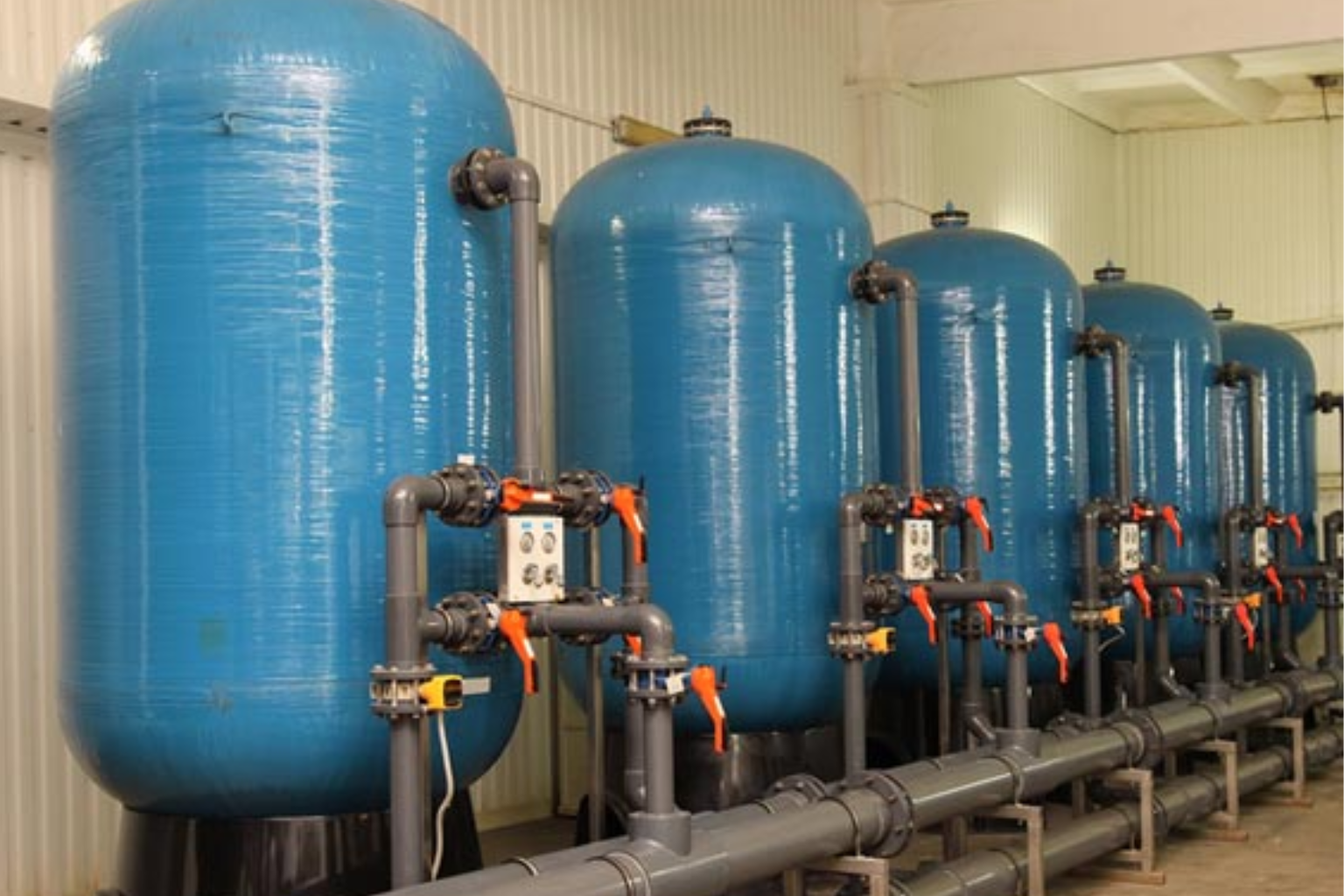
    Got a bigger office? Or a business where water use is constant—think dental practices, gyms, co-working spaces, or schools? That’s where high-capacity water filters shine. These are the systems built to handle volume without sacrificing performance.

    They’re designed to last longer between cartridge changes, maintain water pressure even during peak use, and consistently deliver great-tasting water—no matter how many people are filling up.

    Think of them like the industrial-grade version of your home filter pitcher—only way more powerful and much less annoying to refill.


    The Importance of Professional Installation

    Sure, you could DIY a little under-sink filter or slap a faucet-mounted unit on the breakroom tap. But if you’re investing in clean water across an entire office, you want it done right.

    That’s where commercial water filter installation makes all the difference. A professional will:

    • Test your water first (because what you need depends on what’s in your water)
    • Design a system tailored to your usage, space, and needs
    • Ensure everything’s installed safely and efficiently
    • Provide ongoing maintenance so your system keeps doing its job quietly in the background

    It’s not about bells and whistles—it’s about reliable, sustainable, no-fuss water access that just works.


    A Few Extra Perks to Sweeten the Deal

    Still on the fence? Here’s what else you’ll gain by upgrading your office water setup:

    • Sustainability points – Ditching plastic bottles and delivery jugs cuts down on waste and carbon emissions.
    • Cost savings over time – Once installed, modern filtration systems are more economical than continuous bottle delivery or endless Brita pitcher refills.
    • Space efficiency – No more storing jugs in closets or waiting for deliveries.
    • Healthier habits – Easy access to clean water supports hydration, energy levels, and overall wellness.

    Plus, when clients or guests pop in, offering them a crisp, refreshing glass of filtered water (instead of apologizing for the tap) says a lot about your attention to detail.


    Wrapping It Up: Because the Little Things Aren’t So Little

    Sometimes, the best workplace upgrades aren’t the flashy ones. They’re the quiet changes that ripple through daily life, subtly improving comfort, health, and even company culture.

    Clean, high-quality water is one of those things. It’s a small investment that sends a big message: we care about the environment you work in. About the people who keep the gears turning.

    So if your office water situation could use a glow-up—whether it’s a better tasting glass in the breakroom or a full building setup that runs like clockwork—it might be time to explore the world of office water filtration units, high-capacity water filters, commercial water filter installation. Because everyone deserves good water.

  • Potassium or Salt? The Soft Water Showdown You Didn’t Know You Needed

    Potassium or Salt? The Soft Water Showdown You Didn’t Know You Needed

    Let’s face it—most of us don’t spend our Saturdays thinking about what goes inside the brine tank of a water softener. But if you’re the proud owner of one, or you’re just trying to figure out how to deal with relentless hard water, there’s a quiet yet significant decision waiting for you at your local hardware store: potassium or salt?

    It might sound like a toss-up. Both do the job. Both soften water. Both come in those heavy bags you awkwardly wrestle into your cart. But here’s the thing—your choice affects not just your water but your health, your landscaping, your appliances, and even your wallet.

    Let’s dive into the real-world differences between water softener potassium vs salt. potassium vs salt for water softener systems. Spoiler alert: there’s no one-size-fits-all answer. But there’s definitely one that’s right for you.


    Why Do We Soften Water Anyway?

    Before we compare these two heavy-hitters, let’s rewind for a second.

    Hard water is water loaded with calcium and magnesium. While these minerals aren’t harmful to drink, they are a menace to plumbing, water heaters, dishes, laundry, and even your skin and hair. It makes soap less effective, leaves residue everywhere, and slowly wears down your home’s infrastructure.

    Water softeners combat that through ion exchange. They pull out the hard minerals and swap them for either sodium (from salt) or potassium ions. So far, so good. But what you swap in makes all the difference.


    Team Salt (Sodium Chloride): The Classic Workhorse

    Sodium chloride has been the default softening solution for decades. It’s affordable, easy to find, and gets the job done—especially in areas with extremely hard water.

    What’s great about using salt:

    • Budget-friendly. Salt is generally cheaper than potassium—sometimes by as much as 60–75%.
    • Efficient softening. Sodium is effective at replacing calcium and magnesium in the ion exchange process.
    • Longer-lasting. Softener systems using salt usually require less frequent regeneration, saving water and energy.

    Downsides? Well, the sodium itself. While it’s added in very small amounts, people on low-sodium diets or those who just prefer the cleanest drinking water might prefer to avoid it. And environmentally? Salt-based discharge isn’t exactly friendly to gardens or septic systems.


    Team Potassium (Potassium Chloride): The Greener Contender

    Potassium chloride is sort of the younger, more health-conscious sibling of sodium chloride. It does the same job but swaps sodium for potassium—a nutrient your body actually needs in moderation.

    Why some households go potassium:

    • No added sodium. Better for those on salt-restricted diets or anyone watching their sodium intake.
    • Plant-safe discharge. Potassium is beneficial for soil, which is a huge win if you’re watering a lawn or garden with softened water.
    • Peace of mind. Many people just feel better using something that sounds healthier.

    But it comes at a cost—literally. Potassium is significantly more expensive, and it’s slightly less efficient at softening. That means your softener might regenerate more often, using more water and power in the process.


    So… What Should You Pick?

    The decision often comes down to priorities. Are you aiming to stretch your dollars? Is health a top concern? Are you trying to reduce your environmental footprint? Let’s break it down a bit more:

    • Choose salt if…
      • You have very hard water and want a cost-effective solution.
      • You don’t have dietary sodium restrictions.
      • Your home’s plumbing and irrigation systems don’t route softened water to outdoor use.
    • Choose potassium if…
      • You want to avoid adding sodium to your drinking water.
      • You water a lot of plants or landscape with softened water.
      • You’re willing to pay a little more for health or sustainability reasons.

    Some homeowners even alternate—using salt most of the year and switching to potassium during the spring and summer gardening season. A little mix-and-match can help balance cost with environmental care.


    Switching Between Salt and Potassium? Read This First.

    If you’re thinking of switching products, do it smartly. Never mix the two in the tank. Clean it out completely first. Otherwise, you risk clumping and reduced softener performance.

    Also, if you’re switching to potassium, monitor your system for a few weeks. You might need to tweak the regeneration schedule slightly to account for its lower efficiency.


    A Final Word on Water That Works for You

    Water softening is one of those behind-the-scenes household heroes. You don’t see it working, but you feel it every day—in the way your water tastes, how your skin feels after a shower, and whether your dishwasher leaves glasses sparkling or spotted.

    So even if it seems like a small decision—choosing between potassium or salt—it actually says a lot about how you live. About what matters to you. About how you take care of your home, your health, and the world just outside your door.

    When it comes to water softener potassium vs salt. potassium vs salt for water softener, both options will leave you with soft water. The only difference is how you want to get there.

    And now that you’ve got the facts? You’re ready to make that call—not just for your brine tank, but for your entire home.