Category: Home Services

  • Choosing the Right Water Treatment Setup for a More Comfortable Home

    Choosing the Right Water Treatment Setup for a More Comfortable Home

    Water plays a quiet but important role in nearly every part of household life. We use it to drink, cook, bathe, wash clothes, clean dishes, and protect the appliances that keep daily routines moving. Because water is always there, its quality can be easy to overlook—until an unpleasant smell, mineral buildup, or strange taste becomes impossible to ignore.

    For many homeowners, improving water quality starts with choosing the right treatment system. But the best setup is rarely the one with the most features or the highest price tag. It’s the one that responds to the home’s actual water conditions, household habits, and long-term maintenance needs.

    A little research before installation can make the entire process more practical and less stressful.

    Why Every Home May Have Different Water Needs

    Water quality depends on its source, treatment process, plumbing, and local environmental conditions. Homes connected to a municipal supply generally receive treated water, but taste and odor can still be influenced by disinfectants, storage tanks, or household pipes.

    Private well water may contain naturally occurring minerals such as calcium, magnesium, iron, and manganese. Depending on the property, homeowners may also encounter sediment, sulfur odors, or microbial concerns. These issues can vary considerably, even between nearby homes.

    That’s why choosing water treatment based only on a neighbor’s recommendation may not produce the expected results. A system that works well for one property might not address the main concern in another.

    Understanding Installed Drinking Water Systems

    For households mainly concerned about the water used for drinking and cooking, installed drinking water systems can offer a convenient solution. These systems are usually placed beneath the kitchen sink, connected to a dedicated faucet, or integrated into a refrigerator or countertop setup.

    Unlike a basic pitcher, an installed system can provide treated water directly whenever it is needed. Depending on the technology, it may reduce chlorine taste and odor, sediment, or certain dissolved substances.

    Point-of-use systems are often a good choice when the primary concern is drinking water rather than every fixture in the house. They can also be easier to maintain because the treatment is focused on a smaller volume of water.

    However, homeowners should still examine the system’s filter capacity, replacement schedule, installation requirements, and performance claims. A compact system may be convenient, but it needs to produce enough water for the household’s daily needs.

    How Reverse Osmosis Systems Work

    A reverse osmosis drinking water system is one of the more common options for households seeking additional treatment for drinking and cooking water. Reverse osmosis uses pressure to push water through a semipermeable membrane, reducing many dissolved substances in the process.

    Most RO systems contain several stages. A sediment filter may capture larger particles, while carbon filters can reduce certain tastes and odors and protect the membrane. The membrane then performs the main dissolved-solids reduction, followed by a final filter in many models.

    RO can be useful for reducing certain dissolved salts, metals, and other substances, depending on the model and its certification. It is important, though, to understand that performance varies between systems. Homeowners should look for specific contaminant-reduction claims rather than relying on general words such as “pure” or “advanced.”

    There are also practical considerations. Reverse osmosis systems may produce wastewater, require regular filter changes, and use a storage tank to provide water quickly. Before buying, check the system’s daily production rate, tank size, water pressure requirements, and annual maintenance cost.

    When a Water Softener Is the Better Choice

    Not every water problem calls for reverse osmosis. If the main issue is hard water, a water softener may be more suitable for the household.

    Hard water contains minerals such as calcium and magnesium. These minerals can create white scale on faucets, shower doors, water heaters, and appliances. They may also make soap less effective and leave residue on dishes, fixtures, and laundry.

    A softener works by exchanging hardness minerals for other ions, typically sodium or potassium, depending on the system. This can reduce scale and improve the way soap and detergent perform.

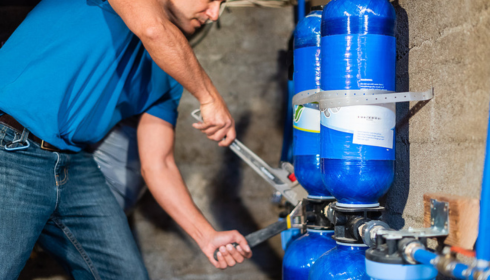
    Water softeners are generally installed at the main water entry point, so treated water can reach showers, washing machines, sinks, and other fixtures. However, they do not remove every contaminant. If the water also contains iron, sulfur, sediment, or bacteria, additional treatment may be necessary.

    Homeowners should select a softener based on water hardness, household size, daily water usage, and system capacity. An undersized unit may regenerate too often, while an oversized system can increase upfront and operating costs.

    Point-of-Use Versus Whole-Home Treatment

    One of the most important decisions is whether treatment is needed at one faucet or throughout the property.

    Point-of-use systems are focused on water used for drinking and cooking. They are often less expensive to install and can be a sensible choice when the household’s main concern is taste or dissolved substances in drinking water.

    Whole-home systems treat water as it enters the house. They may be designed to reduce sediment, chlorine taste and odor, hardness, iron, or other specific concerns. This approach can be helpful when homeowners want improved water quality in showers, bathrooms, laundry rooms, and kitchens.

    In some cases, a combination works best. A whole-home filter or softener may address general water conditions, while an RO system provides additional treatment for drinking water. The decision should be based on testing and the home’s priorities rather than on the assumption that more equipment is always better.

    Why Water Testing Comes First

    A water test can reveal important information about the water entering the property. Common measurements may include hardness, pH, iron, manganese, chlorine, sediment, and bacteria, depending on the source and the concerns involved.

    Testing is particularly important for private wells. Well owners should test regularly and arrange additional testing after flooding, repairs, or noticeable changes in taste, odor, or appearance.

    Homeowners should also ask what a water test actually measures. Some in-home demonstrations are designed mainly to sell equipment and may not provide a complete picture. A reputable assessment should explain the results clearly and identify which treatment methods are appropriate.

    Maintenance and Operating Costs Matter

    The purchase price is only one part of water treatment ownership. Filters, membranes, salt, electricity, replacement lamps, and service visits can all contribute to long-term costs.

    Before installing a system, ask how often components need to be replaced and whether the parts are readily available. Find out whether professional servicing is required and what happens if maintenance is delayed.

    A system that is inexpensive initially may become frustrating if replacement parts are difficult to find. On the other hand, a well-designed system with predictable maintenance may offer better value over time.

    Keeping a simple maintenance calendar can help homeowners stay ahead of filter changes, inspections, and service appointments. It’s a small habit that can prevent larger problems.

    Making the Right Choice for Your Home

    The right water treatment system should make life easier, not more complicated. Start by identifying the water concern, testing the supply, and understanding what each treatment technology is designed to do.

    An installed drinking water system may be enough for a household focused on kitchen water. Reverse osmosis can provide additional treatment for drinking and cooking, while a water softener may be more appropriate for hard water affecting the entire property.

    There is no universal solution for every home. The most useful choice is one that fits the water quality, household demand, available space, budget, and willingness to maintain the equipment. With a thoughtful approach, homeowners can improve water quality in a way that feels dependable, practical, and worth the investment.
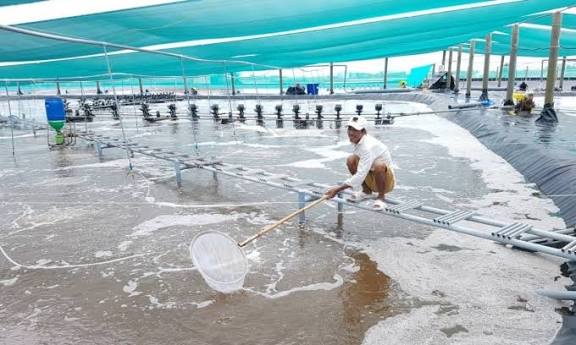

  • Building Better Ponds: Practical Applications, Water Quality, and Reliable Systems

    Building Better Ponds: Practical Applications, Water Quality, and Reliable Systems

    A well-designed pond can be much more than a decorative feature. It can support wildlife, improve a landscape, provide recreational value, manage stormwater, or simply create a peaceful place to sit and enjoy nature. But a pond only works well when its design, maintenance, and surrounding environment are considered together.

    Whether you’re planning a new pond or trying to improve an existing one, the goal shouldn’t be to make it look perfect for a season. A healthier approach is to create a system that works naturally and remains manageable over time. That means understanding how water moves, what lives in it, and which environmental pressures may affect its condition.

    Understanding the Purpose of a Pond

    Before choosing equipment, plants, or treatment methods, it helps to ask a basic question: what is the pond supposed to do?

    Different pond applications require different approaches. A small backyard pond may be designed mainly for visual appeal and relaxation, while an agricultural pond might be used for irrigation, livestock, or water storage. Retention ponds, stormwater basins, fishing ponds, and habitat ponds all have their own practical requirements.

    Purpose affects almost everything, including pond depth, circulation, vegetation, aeration, and maintenance schedules. A pond intended for fish, for example, needs suitable oxygen levels and habitat. A stormwater pond has to handle runoff and sediment without becoming overwhelmed.

    Starting with a clear purpose prevents a common mistake: installing solutions first and figuring out the pond’s actual needs later.

    Why Water Quality Matters

    Clear water doesn’t always mean healthy water, and cloudy water isn’t necessarily a disaster. Pond health is influenced by several factors, including dissolved oxygen, nutrients, sediment, algae, temperature, organic matter, and microbial activity.

    Excess nutrients are one of the biggest concerns. Fertilizer runoff, animal waste, decaying leaves, and other organic materials can introduce nitrogen and phosphorus into the water. When nutrient levels rise too much, algae and aquatic plants may grow aggressively. As that material dies and decomposes, oxygen can be consumed, potentially creating stressful conditions for fish and other organisms.

    This is why regular observation matters. Changes in water color, unusual odors, excessive algae, fish activity, or sudden plant growth can all provide clues that something has shifted.

    Practical Ways to Improve Pond Conditions

    Good pond management usually starts with simple, consistent measures rather than dramatic interventions.

    One of the most useful steps is controlling what enters the water. Maintaining vegetation around the pond can help slow runoff and capture soil before it reaches the water. Native plants can also provide habitat while helping stabilize shorelines.

    Aeration is another valuable tool. Proper circulation can distribute oxygen more evenly and reduce stagnant areas. Depending on the pond’s size and design, diffused aeration or surface aerators may be appropriate.

    Removing excessive organic debris can also help. Leaves, dead vegetation, and accumulated sediment can contribute to nutrient problems if they’re allowed to build up for years.

    The right combination of these practices can lead to meaningful water quality improvements without relying on a single treatment to solve every issue.

    Designing Around Nature Instead of Fighting It

    Ponds are living systems, and they rarely respond well to a one-size-fits-all approach. A solution that works beautifully in one pond may be ineffective in another because the water source, climate, soil, depth, and surrounding land are different.

    For instance, a pond surrounded by mature trees may receive large amounts of leaves every autumn. Another pond located near agricultural land may receive nutrient-rich runoff after heavy rainfall. Their challenges aren’t the same, so their management plans shouldn’t be identical either.

    Native vegetation can be especially useful when selected carefully. Plants around the shoreline can reduce erosion, create wildlife habitat, and provide a natural buffer between the pond and surrounding land. The trick is balance. Too much vegetation in the wrong places can create its own maintenance problems.

    Choosing the Right Equipment

    Mechanical systems can make pond management easier, but only when the equipment matches the actual conditions.

    Aerators, pumps, fountains, filtration systems, and circulation equipment all have different purposes. Selecting a unit based solely on price or appearance can create disappointing results. An undersized system may struggle to circulate the pond, while an unnecessarily powerful system may waste energy or disturb the pond’s natural balance.

    Installation also matters. Equipment needs to be positioned correctly and protected from damage. Electrical components should be installed safely, particularly around water.

    It’s worth thinking beyond the initial purchase as well. Energy consumption, replacement parts, cleaning requirements, and seasonal maintenance can make a noticeable difference to the total cost of ownership.

    Maintenance Is an Ongoing Process

    Even a beautifully designed pond needs attention. Fortunately, maintenance doesn’t always mean spending every weekend working beside the water.

    A simple inspection routine can catch many problems early. Check equipment regularly, watch for unusual algae growth, inspect shorelines for erosion, and keep an eye on water levels. During warmer months, oxygen-related problems may become more noticeable, especially in ponds with heavy organic loads.

    Seasonal changes deserve attention too. Spring may bring rapid plant growth, summer can increase evaporation and temperature stress, and autumn often introduces large amounts of leaves and debris.

    Small maintenance tasks performed consistently are usually much easier than trying to fix a neglected pond after a major problem develops.

    Thinking About Long-Term Performance

    A pond should be viewed as an ecosystem and an engineered system at the same time. Natural processes matter, but so do pumps, aerators, drainage structures, liners, electrical systems, and other components.

    When planning upgrades or new installations, choose durable materials and equipment that can realistically be maintained. Good installation practices can reduce unnecessary wear, while routine inspections can identify minor issues before they become expensive repairs.

    This approach supports long-term system reliability because it focuses on prevention rather than constantly reacting to failures. It also makes future maintenance more predictable, which is especially important for larger ponds or properties where water management has a practical purpose.

    Creating a Healthier Pond for the Future

    A successful pond isn’t necessarily the one with the clearest water or the newest equipment. It’s the one that remains functional, balanced, and manageable as conditions change.

    Start by understanding the pond’s purpose. Look at its surroundings, identify possible sources of nutrients and sediment, and pay attention to seasonal patterns. From there, combine sensible design, appropriate equipment, healthy vegetation, and regular maintenance.

    Sometimes the best pond management decisions are surprisingly simple. Keep runoff under control. Maintain circulation. Avoid excessive nutrient inputs. Watch the water closely. And when a problem appears, investigate its cause instead of treating only the symptom.

    With that mindset, a pond can become a lasting part of a property rather than a recurring maintenance headache. Good planning may take a little more thought at the beginning, but the payoff is a healthier, more dependable water environment for years to come.

  • The Quiet Science of Comfort: Why Airflow Matters More Than You Think in Your HVAC System

    The Quiet Science of Comfort: Why Airflow Matters More Than You Think in Your HVAC System

    There’s a certain kind of comfort that’s hard to describe — the feeling of walking into a perfectly cooled room on a hot summer day or waking up in winter to warm air flowing gently through the house. We often credit our thermostat or air conditioner for that comfort, but the real hero is something less obvious: airflow.

    Without proper airflow, even the most advanced HVAC system will struggle. Air that doesn’t move correctly can make your home feel uneven, your bills go up, and your equipment work twice as hard. At the heart of understanding airflow lies a term every homeowner has probably seen but rarely thought about — CFM.

    Let’s unpack what that really means, and why this one small measurement can make or break your indoor comfort.


    The Airflow Equation

    CFM stands for “Cubic Feet per Minute.” In the simplest terms, it measures how much air your system moves every minute. Think of it like the heartbeat of your HVAC system — steady, strong, and essential. The higher the CFM, the more air is being pushed through the ducts, reaching every corner of your home.

    When technicians talk about cfm in hvac, they’re referring to the airflow performance — how efficiently your system can deliver conditioned air where it’s needed. Too little airflow, and your home feels stuffy or unevenly cooled. Too much, and you’ll hear whooshing sounds through the vents or notice higher energy use.

    The goal isn’t “more air” or “less air” — it’s the right amount of air. And that’s where design, balance, and maintenance all come into play.


    Why It Matters More Than You Think

    Airflow doesn’t just affect temperature; it impacts every part of how your HVAC system works. The coils inside your air conditioner rely on a precise amount of air passing over them to absorb heat properly. If airflow drops, the coil can freeze up — literally turning into a block of ice — and cooling efficiency plummets.

    Poor airflow can also mean dust buildup, poor air quality, and uneven comfort throughout your house. Ever notice how one room is freezing while another feels like a sauna? That’s not just bad luck — it’s your airflow crying out for attention.

    When airflow is optimized, your system doesn’t have to fight itself to maintain temperature. It runs smoother, lasts longer, and uses less energy doing it.


    The Role of Design and Ductwork

    A common misconception is that a bigger HVAC system means better performance. But that’s like assuming a bigger engine automatically makes a better car. In reality, your system is only as efficient as the ductwork and design allow.

    Your ducts are like the lungs of your home. If they’re poorly sized, leaky, or clogged, airflow suffers — no matter how powerful your air conditioner is. That’s why HVAC design starts with calculations, not guesswork. Professionals use formulas to determine how much air each room needs and what duct size will deliver it efficiently.

    A home with well-designed ductwork doesn’t just stay more comfortable; it also avoids unnecessary strain on the system. Proper airflow ensures your AC and furnace operate at their peak, saving money in the long run.


    Understanding the Numbers

    Most systems aim for about 400 CFM per ton of cooling capacity. That means if you have a 3-ton air conditioner, you should be moving around 1,200 CFM of air.

    But that number isn’t one-size-fits-all. Factors like humidity, insulation, and even altitude can affect ideal airflow. In humid regions, slightly lower airflow helps remove more moisture from the air. In dry climates, a bit more airflow keeps rooms feeling fresher.

    If your technician ever measures airflow and mentions cfm hvac, they’re checking that your system is hitting those target numbers. If it’s not, you could be losing efficiency without realizing it.

    The tricky part is that CFM issues aren’t always obvious. You can’t “see” airflow the way you see a thermostat reading. That’s why it takes an experienced eye — and sometimes a few specialized tools — to find the right balance.


    When Airflow Problems Sneak In

    A lot of homeowners first notice airflow issues when something feels… off. The air isn’t as strong from the vents, or it takes longer to cool the house. Sometimes it’s not the equipment failing but small, fixable things:

    • Clogged filters that restrict movement.
    • Dirty coils blocking air exchange.
    • Closed or blocked vents that throw off balance.
    • Leaky ducts wasting air before it reaches the rooms.

    These problems might sound minor, but they add up. When airflow drops even 20%, energy use can increase by up to 40%. Your system has to run longer and harder, which means higher bills and faster wear and tear.

    If your system starts showing these signs, it’s worth scheduling an ac repair or maintenance visit before things escalate. A good technician can measure airflow, inspect ductwork, and make small adjustments that restore performance.


    The Hidden Connection Between Airflow and Comfort

    Let’s get personal for a second. Have you ever stood near a vent and felt the air blasting, only to realize the rest of the room is warm? That’s a classic airflow imbalance.

    Good airflow isn’t about strength — it’s about even distribution. Balanced CFM ensures air circulates smoothly throughout your home. It prevents that “drafty” feeling near vents and keeps temperatures consistent from floor to ceiling.

    It’s also crucial for indoor air quality. When air circulates properly, your filters can actually filter. Dust, pollen, and other particles get trapped instead of settling in corners or recirculating endlessly.

    And in winter, good airflow helps your furnace distribute heat efficiently — preventing those cold spots that seem immune to the thermostat.


    How Technicians Test and Adjust Airflow

    When professionals measure airflow, they use a few clever tools — like anemometers or manometers — to gauge air velocity and pressure. They’ll check vents, returns, and ducts to ensure the right balance between supply and return air.

    If the airflow is too low, they might increase fan speed, clean components, or recommend duct modifications. If it’s too high, they can reduce velocity or add dampers to even things out.

    But beyond the numbers, a good technician listens — literally. They can hear when airflow isn’t right. A system that’s too loud, too quiet, or inconsistent usually has something off-balance behind the scenes.


    How You Can Help

    You don’t have to be an HVAC expert to keep airflow healthy. A few simple habits make a big difference:

    • Change your air filters regularly (every 1–3 months).
    • Keep vents clear of furniture, rugs, and drapes.
    • Schedule annual maintenance for cleaning and airflow checks.
    • Ask your technician to inspect ducts for leaks or damage.

    Think of it as giving your system room to breathe — literally.


    Wrapping It Up

    Airflow might not sound glamorous, but it’s the unsung foundation of every comfortable home. Understanding cfm in hvac isn’t about memorizing numbers or becoming a technician — it’s about appreciating the role airflow plays in your everyday comfort.

    When your system breathes right, you feel the difference. The air feels lighter, the temperature more stable, the hum quieter. You might not even notice it consciously — and that’s the point. The best airflow is the kind you never think about, because it just works.

    So the next time you feel that perfect wave of cool air, take a moment to appreciate the hidden science behind it. It’s not just technology — it’s balance, precision, and a little bit of airflow magic keeping your home exactly the way it should be.

  • Clean Water, Clear Choices: Why Businesses Are Turning to Advanced Purification Systems

    Clean Water, Clear Choices: Why Businesses Are Turning to Advanced Purification Systems

    Walk into any office break room, factory floor, or restaurant kitchen, and you’ll find something we often take for granted: clean, fresh water. It’s poured into coffee machines, mixed with ingredients, used in industrial processes, or simply handed to employees in a cup. Yet behind that simplicity lies a complex reality. Businesses of all sizes are beginning to realize that water quality isn’t just a side note — it can influence everything from employee health to machinery lifespan and even customer trust.

    The Hidden Costs of Bad Water

    Most people think of water issues in terms of taste or smell. Sure, hard water might leave streaks on glasses or an odd metallic tang in your drink, but in commercial or industrial environments, the consequences run deeper. Mineral buildup can clog pipes and wear down expensive machines. Contaminants can compromise products, damage reputations, and in the worst cases, create real health hazards.

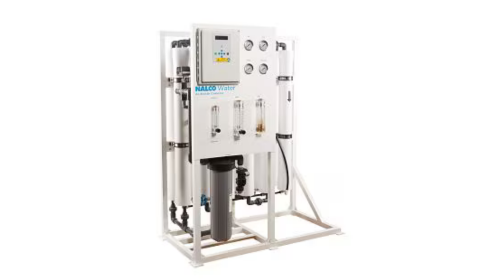
    That’s why companies are moving past the old “tap and filter jug” mentality. Instead, they’re seeking reliable, scalable solutions designed specifically for heavy use. One of the most popular approaches is the commercial reverse osmosis system install, which provides consistent, high-quality water even when demand is high. Businesses appreciate not just the peace of mind but also the cost savings that come from fewer breakdowns and reduced reliance on bottled water deliveries.

    Beyond Bottled Water: Why Purification Systems Matter

    Think about the last time you grabbed a plastic bottle of water at a meeting. Multiply that by hundreds of employees and thousands of bottles over a year, and the environmental and financial costs skyrocket. Companies are under pressure — from both employees and regulators — to minimize waste. A well-installed purification system provides a sustainable alternative.

    These systems don’t just remove chlorine or sediment. They tackle the microscopic threats too, such as lead, arsenic, nitrates, and other contaminants that can sneak into local supplies. For industries like food service or healthcare, that level of purification isn’t optional; it’s essential. Customers and patients trust that every drop is safe.

    When Things Break Down

    Of course, like any piece of equipment, purification systems need care. Pumps fail, membranes clog, and electronic controllers sometimes decide to quit at the worst possible moment. For factories or hotels, even a short interruption can cause massive disruption. That’s where timely industrial RO system repair comes into play. Skilled technicians who understand the nuances of these systems can quickly diagnose problems and get water flowing again.

    What often surprises business owners is how much proactive maintenance can reduce emergencies. Just like servicing a car before it breaks down on the highway, scheduling routine checkups for an RO system saves headaches (and money) down the line. It also extends the system’s lifespan, which is no small thing given the investment required.

    Scaling to Fit Different Needs

    A coffee shop doesn’t need the same setup as a pharmaceutical lab, and a school has different priorities than a steel plant. The beauty of modern purification technology is how customizable it has become. Systems can be designed to fit into a small backroom or expanded to supply an entire industrial campus.

    In commercial spaces, a commercial drinking water purification system often sits quietly in the background, doing its job day after day. Employees may not even notice it beyond the taste of their coffee improving or their water glasses staying crystal clear. But management notices — fewer complaints, lower operating costs, and a greener reputation in the eyes of both staff and customers.

    The Balance Between Investment and Payoff

    There’s always a moment of hesitation when the upfront price tag comes into view. Business owners weigh the immediate cost against what feels like an invisible return. After all, water issues aren’t always obvious until something goes wrong. But those who take the plunge often find the investment pays for itself faster than expected.

    Here’s why: fewer service calls for appliances, longer equipment lifespans, reduced waste from bottled water, and even boosted employee satisfaction. In industries where safety and compliance matter, having documented water quality can also shield a company from liability. In today’s climate of customer reviews and social media, one incident linked to poor water can spiral into a PR nightmare. A reliable purification system is a form of insurance against that.

    A Human Angle: Stories from the Ground

    Take, for example, a family-owned bakery that struggled with inconsistent water quality. Their breads sometimes turned out differently depending on the mineral levels, frustrating both staff and customers. After installing a tailored purification setup, the problem vanished. The taste stabilized, the texture stayed consistent, and their reputation soared.

    Or consider a small manufacturing unit where machinery frequently broke down due to mineral buildup. Repairs were eating into profits. After consulting with specialists and installing an RO system, breakdowns dropped dramatically. Workers noticed less downtime, and the owner noticed healthier margins.

    These aren’t flashy stories, but they illustrate the point: water is quietly but fundamentally linked to success.

    Looking Ahead: Smarter Systems on the Horizon

    Technology in this space isn’t standing still. Smart purification systems with built-in sensors now alert managers before something goes wrong. Imagine a dashboard that shows water purity levels in real time or sends a notification if pressure drops. For businesses managing multiple locations, this kind of insight is invaluable.

    There’s also growing emphasis on energy efficiency. Systems are being designed to waste less water during filtration and consume less power overall. Given rising utility costs, that’s no small advantage. Sustainability is no longer just a buzzword; it’s becoming an operational necessity.

    Wrapping It All Together

    At the end of the day, water isn’t just water. For businesses, it’s a lifeline running through every operation, from the cafeteria to the production floor. Treating it with the seriousness it deserves pays dividends — in reliability, safety, and even brand reputation.

    So the next time you sip a glass at work, remember: behind that clear liquid may be a complex web of pipes, filters, and membranes, all working together quietly. Investing in a proper system isn’t about luxury; it’s about resilience.

    Clean water keeps employees happy, customers safe, and businesses thriving. And in a world where trust and reliability are worth their weight in gold, that’s not something to overlook.

  • Why Modern Businesses Need Smarter Electrical Services to Stay Ahead

    Why Modern Businesses Need Smarter Electrical Services to Stay Ahead

    Walk into any office building today, and you’ll probably notice more wires, panels, and tech systems than ever before. It’s not just about keeping the lights on anymore; electricity runs almost every moving part of a business. From computers and HVAC units to smart security systems and specialized equipment, everything depends on reliable electrical design and maintenance. And when things break—or worse, when safety is at stake—having professionals who understand the demands of commercial spaces becomes priceless.

    When Emergencies Hit, Quick Help Matters

    Electrical issues never pick a convenient time. A sudden outage in the middle of peak business hours or a tripped circuit that shuts down half the building can feel like chaos. That’s why companies turn to specialists who are available around the clock. Having access to Arcon Electric emergency service means knowing that skilled electricians can show up quickly, troubleshoot under pressure, and restore power with minimal downtime. For a restaurant facing a dinner rush or a factory trying to keep production on schedule, that fast response can literally save thousands of dollars in losses.

    The Bigger Picture of Electrical Fit-Outs

    While emergency work is critical, much of the planning happens long before problems occur. Modern businesses are constantly upgrading their work environments—new offices, renovated retail spaces, or warehouse expansions all require careful planning of electrical layouts. This is where electrical fit out contractors come in. They don’t just install outlets and lighting; they map out how the entire system should function for efficiency, safety, and future scalability. A good fit-out isn’t about today alone. It anticipates tomorrow’s growth, ensuring that when a business adds new equipment, more computers, or upgraded servers, the system can handle the load without hiccups.

    Energy Efficiency Is More Than a Buzzword

    For years, energy efficiency was treated like a nice-to-have, maybe even a PR move. Today, it’s a full-on business strategy. Rising utility costs and corporate sustainability goals are pushing companies to think seriously about their consumption. Partnering with a commercial energy efficiency contractor helps organizations cut wasted energy, lower bills, and shrink their carbon footprint without compromising operations. Sometimes that means switching to LED lighting, other times it’s installing smart control systems that adjust usage based on demand. Either way, efficiency pays back in more ways than one: savings, sustainability, and even better comfort for employees working in well-designed spaces.

    The Human Side of Electrical Services

    It’s easy to imagine electricians as people who just deal with wires and switches, but the truth is, their role is far more personal than we think. A business owner calling during a breakdown isn’t just stressed about the lights being off—they’re worried about customers walking away, staff sitting idle, and reputation taking a hit. Contractors who show up with calm communication and confidence often make just as much of an impact as the repair itself. It’s that human touch—listening to the problem, explaining solutions in plain language—that keeps clients loyal.

    Why Cutting Corners Doesn’t Work

    Every business has a budget, and it’s tempting to go with the cheapest option when installing or repairing electrical systems. But cutting corners here is like patching a leaking roof with duct tape—it might hold for a while, but when the storm comes, the real cost shows up. Proper electrical planning and maintenance prevent accidents, outages, and unnecessary expenses down the line. Think of it as insurance for productivity: invest once in doing it right, and you save yourself countless headaches later.

    Trends Shaping the Future

    The electrical industry itself is evolving quickly. Smart buildings with automated systems, renewable energy integration, and high-tech monitoring tools are changing the way contractors approach their work. Businesses now ask questions like: “How can I track my energy use in real-time?” or “Can we integrate solar power into our existing grid?” These aren’t futuristic fantasies anymore—they’re real conversations happening in boardrooms and construction sites today.

    And with this shift, the role of trusted electricians becomes even more vital. They’re not just tradespeople; they’re advisors guiding businesses through decisions that blend technology, safety, and sustainability.

    Small Details, Big Impact

    Sometimes it’s the little things that make a noticeable difference. A well-placed motion sensor light in a hallway can slash energy bills. A redesigned circuit layout can prevent recurring outages. Even scheduling regular inspections can catch hidden problems before they spiral into full-blown disasters. These details might feel invisible when everything is running smoothly, but behind the scenes, they’re saving money and preventing downtime.

    Building Long-Term Partnerships

    Businesses that thrive don’t treat electrical services as a one-time job. They build long-term partnerships with contractors who understand their systems, their priorities, and their growth plans. Over time, this relationship creates trust: the contractor already knows the building’s quirks, the company’s needs, and the areas most vulnerable to wear. That familiarity speeds up every fix, simplifies every upgrade, and gives business owners peace of mind.

    Wrapping It All Up

    At the end of the day, electricity isn’t just about keeping the lights on—it’s the invisible lifeline of every modern workplace. Whether it’s an emergency response, a large-scale office fit-out, or a strategy to cut energy costs, reliable contractors ensure businesses stay productive, safe, and ready for growth.

    So the next time you walk into a bright, humming, smoothly functioning workspace, remember there’s more than just wiring behind the walls. There’s expertise, planning, and a lot of unseen care that keeps everything running. For business owners, choosing the right professionals isn’t just a technical decision—it’s a step toward stability, efficiency, and long-term success.

  • Making Dugout Water Safe: Practical Solutions for Rural Living

    Making Dugout Water Safe: Practical Solutions for Rural Living

    If you’ve ever spent time in rural communities, you know how central water is to daily life. Not just the water from the tap but the source itself. In many parts of Canada, particularly across the Prairies, dugouts serve as that source—ponds or reservoirs that collect rain, snowmelt, and runoff to supply farms, ranches, and rural homes. On paper, it sounds straightforward: a natural, low-cost water supply. But in practice, dugouts can be tricky. The water may look fine at first glance, but living with it day after day reveals the reality—odor, discoloration, algae blooms, or a taste that makes you reach for bottled water instead.


    Why Dugouts Are Both Practical and Problematic

    Dugouts are everywhere because they’re simple and effective. Instead of drilling deep wells, landowners create a storage basin that nature fills for free. But the downside is obvious: open water is vulnerable. Dust, fertilizer runoff, animal waste, and algae don’t politely stay out. Sunlight warms the surface, feeding bacteria growth. Wind stirs up sediment. Before long, water that looked clear in spring can become cloudy or even unsafe by midsummer. For families depending on dugouts for daily living, this means constant worry and maintenance, often without the reassurance that what you’re drinking is truly clean.


    The Role of Treatment Systems

    That’s where dugout water treatment systems come in. Instead of relying on a patchwork of homemade fixes or endless chemicals, these systems are designed to tackle the root causes—filtering out sediment, controlling bacteria, and removing the minerals and contaminants that make dugout water unreliable. The technology has come a long way. What used to be a headache of constant upkeep has become streamlined, with setups that quietly run in the background, delivering clear, safe water directly to taps, barns, and irrigation lines. For rural households, it’s less about luxury and more about peace of mind.


    Small Signs That Add Up

    If you’ve lived with untreated dugout water, you’ve seen the hints: a metallic taste in tea, slimy residue in livestock troughs, stains in sinks, or algae clinging to shorelines. Each of these is manageable in isolation, but together they paint a picture of water that’s slowly wearing you down. You spend more on cleaning supplies. You replace appliances sooner than expected. You find yourself questioning whether the water is safe to drink. Treatment doesn’t just fix one issue—it lightens the invisible mental load of second-guessing your own water source.


    Tailored Systems for Rural Needs

    One thing that stands out is how local conditions shape solutions. What works on one farm may not work down the road. Soil type, nearby agriculture, runoff, and even the design of the dugout itself all change the quality of the water. That’s why providers who understand the nuances of rural systems have an edge. Companies offering Infinite Water dugout systems know the challenges aren’t just technical—they’re personal. Families want systems that handle the unique quirks of dugout water without adding endless maintenance chores on top of already busy rural lives.


    Saskatchewan’s Story

    If there’s one province that knows dugout water well, it’s Saskatchewan. With its wide prairies and reliance on rural water sources, dugouts are practically part of the landscape. But they come with recurring issues: algae blooms in hot summers, sediment from windswept fields, or farm runoff after heavy rains. That’s why demand for dugout water filtration Saskatchewan solutions has been on the rise. For many households, it’s not just about comfort—it’s about protecting health, livestock, and the value of their property. Clean water isn’t an optional upgrade; it’s the backbone of sustainable rural living.


    Beyond Drinking Water

    It’s easy to think of treatment purely in terms of drinking water, but the benefits ripple far wider. Clean water protects appliances like dishwashers and washing machines from scale and sediment. It keeps livestock healthier, reducing the risk of bacteria-related illnesses. It improves irrigation quality, which in turn helps gardens and crops thrive. Even something as simple as enjoying a clear, odor-free shower becomes part of the payoff. When the whole household benefits, treatment feels less like a technical fix and more like a lifestyle upgrade.


    The Cost Question

    Of course, the practical question always comes up: how much will this set me back? The truth is, costs vary depending on the size of your household, the condition of your dugout, and the level of treatment you need. A simple filtration system might be enough for modest needs, while a more advanced multi-stage system—handling sediment, bacteria, and chemical contaminants—will be pricier. But it’s worth weighing that against bottled water purchases, appliance repairs, and the sheer frustration of living with unreliable water. In the long run, treatment often saves more than it costs.


    Maintenance Myths

    Some folks hesitate because they imagine treatment systems mean endless fiddling, filter swaps every week, or expensive technician visits. The reality is far less intimidating. Modern systems are designed with efficiency in mind—filters lasting months, automatic backwash features, and user-friendly designs that let you handle the basics yourself. And for those who prefer not to worry at all, service plans can keep things running smoothly without a second thought. Compared to the constant battle of untreated dugout water, maintenance is refreshingly simple.


    The Emotional Payoff

    There’s also something intangible about the shift that treatment brings. It’s in the ease of pouring a glass of water for a guest without hesitation. The relief of knowing your kids are drinking safely. The satisfaction of seeing clear water run from the tap instead of something you feel you have to explain away. It’s a kind of quiet confidence that sneaks into daily life. You don’t need to think about water anymore, because you know it’s taken care of. That peace of mind is worth more than the numbers on a receipt.


    Wrapping It Up

    Rural life has its fair share of challenges, but water shouldn’t be one of them. Dugouts are practical, cost-effective, and deeply tied to prairie living, but they’re also imperfect. With the right testing, the right treatment, and the right support, they can become reliable sources that sustain families, livestock, and land alike. Whether it’s a tailored filtration system in Saskatchewan or a service provider who understands the quirks of dugout water, the goal is the same: water you can trust. And once you experience the difference, you’ll wonder why you waited so long to make the change.

  • Making Sense of Water System Care in Tampa Homes

    Making Sense of Water System Care in Tampa Homes

    Water is one of those things you barely notice until something feels wrong. The dishes don’t come out clean, the shower leaves your skin itchy, or the taste from the tap has that faint metallic edge. For homeowners in Tampa, where water quirks are practically part of the zip code, it’s not unusual to eventually stop and ask: “Is it time to do something about this?”

    The answer is usually yes. Water touches nearly every corner of home life, and when it’s off, the whole rhythm of daily routines gets thrown out of sync. That’s why more families are investing in better systems and services that focus on cleaning, softening, and maintaining water at the source.


    Why Tampa’s Water Feels Different

    Florida water has its own personality. On some days it tastes fine, on others there’s a whiff of chlorine or a film on the glassware that wasn’t there yesterday. Minerals like calcium and magnesium creep into the supply, making it “hard” and leaving behind chalky residue. Add in Tampa’s coastal environment, with its storms and aging infrastructure, and you’ve got a recipe for unpredictable water quality.

    This is where professional help comes in. Whether you’re dealing with cloudy water, stubborn stains in the sink, or an older system that’s barely limping along, calling for water system installation & repair Tampa services isn’t just about fixing today’s problem—it’s about protecting your home from long-term wear and tear.


    The Hidden Cost of Ignoring Water Issues

    Water problems rarely start as emergencies. They creep in slowly, until the signs are too obvious to ignore. Scale builds up inside water heaters, cutting efficiency. Washing machines work harder. Showers feel harsh, dishes stay cloudy, and suddenly bottled water becomes a line item in the weekly grocery bill.

    The expenses pile up quietly: higher energy bills, early appliance replacements, endless cleaning products. Over time, these costs far outweigh the investment in a reliable treatment or repair service.


    Installation Doesn’t Have to Be Overwhelming

    One of the most common myths is that installing a water system is messy, complicated, or time-consuming. The reality? Modern systems are designed to be efficient, with installation often done in a single day. Local technicians test your water, explain the results, and recommend solutions that fit your household—not just generic fixes.

    Homeowners often start the process by searching for water filter installation service near me, looking for someone close by who can handle everything from setup to maintenance. Having a professional nearby also means quicker responses when repairs are needed down the road.


    The Everyday Benefits

    The magic of clean, softened water isn’t flashy—it’s in the quiet ways it makes life easier. Soap lathers properly. Hair feels softer. Skin doesn’t dry out as quickly. Laundry comes out brighter. Even the morning cup of coffee tastes smoother.

    For many Tampa families, the difference is almost immediate. What felt like small annoyances—chalky buildup, odd odors, cloudy glassware—suddenly disappear. And once you’ve lived with treated water, it’s hard to imagine going back.


    Why Repairs Are Just as Important as Installations

    Like any system in your home, water treatment setups need attention over time. Filters clog, valves wear, or softeners stop regenerating correctly. If you ignore the signs, those subtle problems can turn into costly failures.

    That’s why reliable water treatment repair Tampa Florida services matter. Skilled technicians don’t just swap out broken parts—they check the entire system, making sure it’s optimized for your home’s water conditions. Routine maintenance often prevents breakdowns entirely, saving money and frustration.


    Local Stories That Stick

    One South Tampa family told me they went years without addressing their water issues. Their dishwasher constantly clogged, and their shower left them with itchy skin. Finally, after calling a local installer, they were shocked by the transformation. “We thought it was just Florida water—we didn’t know it could actually feel this different,” they laughed.

    Another homeowner in Carrollwood shared how ignoring repairs cost more in the long run. Their softener stopped regenerating, but they put off calling a technician. Within months, mineral buildup forced them to replace a water heater. The repair would’ve been a fraction of that cost.


    The Environmental Angle

    There’s also a sustainability side to all this. Treated water means appliances last longer, so fewer end up in landfills. It reduces the need for bottled water, cutting down on plastic waste. And modern systems are designed to regenerate efficiently, wasting less water and salt than older models.

    In a world where every small environmental choice matters, better water treatment is a surprisingly impactful step.


    Signs It’s Time to Act

    If you’re wondering whether to call a technician, here are a few red flags:

    • Cloudy or foul-tasting water.
    • White or orange stains in sinks and tubs.
    • Soap that won’t lather properly.
    • Skin or hair irritation after showers.
    • Appliances that seem to fail sooner than expected.

    Any of these could mean your system needs attention—or that it’s time to consider installation for the first time.


    Looking Ahead

    Tampa’s water challenges aren’t going anywhere. Between climate shifts, local infrastructure strain, and natural mineral content, homeowners will continue facing quirks that need solutions. But that doesn’t mean you’re stuck. With professional installation and repair services, you can take control of what flows through your pipes, instead of adapting to problems that shouldn’t exist in the first place.

    The good news? Solutions today are smarter, more efficient, and better tailored than ever before.


    Wrapping It Up

    Water doesn’t usually make the list of glamorous home improvements. No one shows off their softener at a dinner party. But in the background, it might be the single most impactful upgrade you can make.

    For Tampa families, investing in installation, repair, or a new filtration system isn’t about chasing trends—it’s about protecting the home, saving money, and enjoying daily life without the frustrations of poor water quality.

    Sometimes the smartest moves are the ones you barely notice—until you realize everything feels better because of them.

  • When Clean Water Becomes a Daily Luxury You Can Count On

    When Clean Water Becomes a Daily Luxury You Can Count On

    There’s a quiet joy in filling up a glass of water straight from the tap and knowing it tastes fresh, crisp, and free of anything that shouldn’t be there. For many households, that peace of mind doesn’t just happen by accident—it comes from systems working behind the scenes. Whole-house filtration is one of those upgrades that people don’t always brag about, but once they’ve lived with it, they wonder how they ever managed without.

    It’s about more than taste. It’s about showers that don’t dry out your skin, laundry that feels softer, appliances that last longer, and a subtle sense that your home is just… better.

    The Real-Life Signs You Need Attention

    Most folks don’t wake up one day and decide they need a new water filter. Usually, it starts with little annoyances—soap that won’t lather properly, glassware that comes out of the dishwasher spotted, or that faint chlorine smell when you turn on the faucet. Over time, those small frustrations add up.

    And then one day, you’re searching for a whole house filter replacement service near me because you realize the system that’s been quietly protecting your home needs a little care of its own. Like any piece of equipment, filters don’t last forever. They need attention, and when you give it, the rewards show up instantly in your daily routine.

    Not Just About Today, But Tomorrow Too

    Think about it: water flows through nearly every part of your home. It runs in the kitchen, in the bathrooms, in the laundry room, even through the heating system if you’ve got one tied into water lines. Every gallon that passes through without proper filtration leaves its mark, whether it’s scale in the pipes or residues in your glass.

    That’s why whole-house filtration isn’t a short-term fix. It’s a long-term investment in protecting your space, your appliances, and honestly, your comfort. It’s not flashy, but it’s one of those things you’ll thank yourself for every single day.

    When You Want More Than the Basics

    Of course, not all systems are built the same. Some handle sediment. Others tackle chlorine, heavy metals, or even emerging contaminants that barely make the news. Choosing the right one depends on what’s in your local water supply—and that varies more than people think.

    That’s where trusted providers come in. Families who’ve opted for EcoWater whole-house filtration service often talk about the difference in both performance and support. It’s not just about installing a tank in the garage—it’s about tailoring the setup to your home’s specific needs and knowing you’ve got experts backing you when maintenance or upgrades are due.

    Why Southern California Families Pay Attention

    If you’ve lived in Southern California, you know the water here has a personality of its own. Hardness levels can be brutal, leaving spots on fixtures and reducing appliance lifespans. Chlorine levels can be higher than you’d like. And with recurring droughts, water quality concerns always linger in the background.

    That’s why so many homeowners choose to install whole house water filter Southern California specialists recommend. It’s less about chasing perfection and more about making everyday life more livable. Cleaner showers, better-tasting food, fewer headaches with plumbing—it’s the kind of upgrade that doesn’t just add value to a house, but to the experience of living in it.

    The Overlooked Benefit: Protecting Appliances

    It’s easy to focus on drinking water, but whole-house systems do so much more. Dishwashers, washing machines, coffee makers, water heaters—they all benefit from clean, filtered water. Scale buildup is the silent killer of appliances, and once it sets in, efficiency plummets. Energy bills creep higher. Repairs pile up.

    With proper filtration, these appliances last longer, run better, and save you money. It’s one of those behind-the-scenes benefits you don’t fully appreciate until you compare the lifespan of appliances in homes with and without filtration.

    Maintenance Isn’t as Scary as It Sounds

    Some people hesitate because they think water systems mean constant upkeep. In reality, once installed, most systems only need periodic filter changes and check-ins. The process is straightforward and usually handled by professionals who know what to look for before small issues become big ones.

    The result? You get clean water flowing year after year with minimal hassle. It’s the kind of maintenance that quietly works in your favor—predictable, manageable, and well worth it.

    A Lifestyle Upgrade That Sticks

    Ask anyone who’s had whole-house filtration for a while, and they’ll tell you: it changes how you think about water. Suddenly, bottled water feels unnecessary. Soap lasts longer. Towels come out of the wash fluffier. Even cooking takes on a subtle upgrade when the base ingredient—water—is cleaner.

    And once you’ve adjusted to that level of quality, it’s hard to imagine going back. It’s not about luxury—it’s about aligning your home with how you want to live day in and day out.

    Thinking About Value

    Sure, there’s an upfront cost. But when you weigh it against years of bottled water purchases, appliance repairs, and general frustration, the numbers usually make sense. Add in the comfort and health aspects—like fewer chemicals in showers or reduced exposure to contaminants—and the value only grows.

    It’s one of those investments that quietly pays itself back, not in flashy ways, but in a better daily rhythm at home.

    Wrapping It All Up

    At the end of the day, water isn’t something you can ignore. It flows through everything, touches everyone in the house, and affects more of your routines than you realize. Whole-house filtration isn’t about showing off—it’s about ensuring every moment you interact with water, from brushing your teeth to brewing coffee, feels right.

    For families in Southern California and beyond, clean water isn’t a luxury anymore. It’s a baseline expectation. And with the right system in place, backed by professional service and a little routine care, that expectation can become your everyday reality.

    So the next time you pour yourself a glass from the tap, take a second to appreciate it. That clarity, that taste, that peace of mind—it’s not just water. It’s the result of choosing to make your home healthier, more comfortable, and future-proof. And honestly, that’s a decision worth raising a glass to.

  • Finding Beauty in the Everyday: A Dallas Guide to Greener Yards and Happier Homes

    Finding Beauty in the Everyday: A Dallas Guide to Greener Yards and Happier Homes

    If you’ve ever driven through a Dallas neighborhood on a bright spring morning, you know the feeling. The sunlight bounces off fresh grass, the oaks sway with just enough breeze, and the yards — the ones that are cared for with intention — stand out like little works of art. There’s something about the way a well-tended landscape changes not just a property, but the whole street. And honestly, in a city as proud and diverse as Dallas, curb appeal isn’t just vanity; it’s a kind of language that says, we care about where we live.

    But here’s the truth: creating that picture-perfect yard isn’t as effortless as those polished homes make it look. Behind every thriving patch of grass or manicured row of hedges lies a mix of sweat, strategy, and a little bit of science. That’s where the local green-thumbed professionals come in. They bring the know-how, the tools, and the vision to turn average outdoor spaces into places that people actually want to spend their evenings and weekends.


    Landscaping: More Than Just Planting Pretty Things

    When people think of landscaping, they often picture someone planting flowers or trimming shrubs. But in Dallas, it goes way beyond that. True landscaping dallas services think about the big picture: how the Texas heat affects soil, which plants actually survive in our unpredictable weather, and how design can balance beauty with function. A stone pathway, for example, isn’t just decoration. It’s a way to create flow in the yard. A row of native plants? That’s not only charming but also water-wise — a big deal when summers drag on.

    What sets great landscaping apart is the vision. It’s less about filling space with greenery and more about designing an outdoor extension of the home. A backyard can become an evening retreat with string lights and carefully arranged seating. The front yard, meanwhile, can reflect a homeowner’s personality — whether that means bold color with perennials or a minimalist look with modern edging and muted tones.


    Lawn Care: Where Pride Meets Practicality

    The lawn is often the centerpiece of a Dallas home, yet it’s also the part most homeowners struggle with. The blazing summers, surprise rainstorms, and occasional freezes don’t exactly make things simple. Still, there’s nothing like walking barefoot across soft grass after a long day — which explains why lawn care dallas isn’t just a casual service, it’s practically a necessity.

    Maintaining a healthy lawn is about more than mowing once a week. It’s aeration when the soil gets compact, fertilization when nutrients run low, and adjusting watering schedules to match the season (because yes, overwatering can be just as bad as forgetting to water at all). Local experts also understand which grass varieties do well here — Bermuda, Zoysia, St. Augustine — and how to care for each one.

    The beauty of outsourcing lawn care is peace of mind. Instead of wondering why brown patches keep showing up or fighting weeds every other weekend, homeowners can step back and enjoy the space without the stress.


    The Often Overlooked Hero: Yard Maintenance

    Here’s the thing about yards: they don’t stay beautiful on their own. Bushes grow wild, leaves pile up, weeds creep in, and before you know it, that polished look starts slipping away. Consistent yard maintenance dallas services are the unsung heroes of homeownership. They keep the little details — the edging, pruning, and cleanup — in check so that the bigger picture always shines.

    It’s easy to underestimate how much of a difference those details make. A driveway clear of leaves, hedges trimmed to match the lines of the home, flowerbeds weeded regularly — they may sound minor, but together, they create harmony. It’s the difference between a house that looks “okay” and one that looks truly cared for. And for homeowners who value both pride and property value, that difference matters.


    Why Dallas Homes Deserve Extra Care

    Dallas isn’t just another city; it’s a place where tradition and innovation live side by side. You see it in the skyline, the food, even the neighborhoods. Homes here carry stories — families gathering on porches, kids chasing each other across backyards, neighbors waving across driveways. Taking care of the outdoor space isn’t just about looks; it’s about honoring that sense of place and community.

    There’s also the practical side. A well-kept yard boosts property value, helps regulate temperature around the home, and can even reduce energy bills with the right placement of shade trees. It’s beauty and function woven together. And when done right, it gives homeowners a chance to step outside and feel proud of what they see.


    Bringing It All Together

    At the end of the day, landscaping, lawn care, and ongoing maintenance are all pieces of the same puzzle. They work together to create spaces that aren’t just pleasant to look at but also meaningful to live in. For Dallas homeowners, it’s about investing in the everyday joys — that Saturday barbecue in the backyard, that evening glass of iced tea on the porch, or that moment when you pull into your driveway and think, yeah, this feels like home.

  • When the Heat Doesn’t Wait: Finding Reliable HVAC Repair in Phoenix

    When the Heat Doesn’t Wait: Finding Reliable HVAC Repair in Phoenix

    Phoenix has a way of reminding you who’s in charge. Step outside on a July afternoon and it feels like walking into a wall of fire. Even your steering wheel seems to fight back, branding your palms if you’re not careful. In a city like this, where summer is less a season and more a test of endurance, your HVAC system is more than a convenience—it’s the one thing standing between daily comfort and chaos.

    When It’s More Than Just Inconvenience

    Air conditioning breakdowns in Phoenix don’t just cause discomfort. They can feel like emergencies. Families with kids or elderly relatives don’t have the option of waiting days for help. That’s why emergency hvac service phoenix isn’t some luxury service—it’s essential. Knowing you can call and have someone show up when the heat is pressing in at midnight makes all the difference. It’s about safety as much as comfort.

    Nights Don’t Offer Much Relief

    Sure, the sun sets, but in July the heat lingers well past midnight. I remember one summer night when my neighbor’s AC gave out. He tried fans, wet towels, even dragging mattresses into the living room, but the air never cooled. By 2 a.m., the family was exhausted and restless. That’s when they found a company offering 24/7 ac repair phoenix, and within hours, they were finally able to sleep. In a city where nights often feel just as stifling as days, round-the-clock service isn’t a perk—it’s survival.

    Why Speed Matters More Here

    In other cities, you might be able to tolerate waiting a few days for repairs. But in Phoenix, “waiting it out” simply isn’t an option. The desert heat builds fast inside a home. That’s why companies who promise fast air conditioning repair are the ones residents keep on speed dial. When the thermostat inside reads 95 and climbing, every minute counts. Quick response isn’t just customer service—it’s what keeps life moving.

    The Clues Before the Breakdown

    The funny thing is, HVAC systems rarely collapse without warning. They drop little hints. Maybe the air feels weaker than it used to. Or you hear a rattle that wasn’t there last week. Sometimes it’s a spike in the electric bill, even though your habits haven’t changed. The problem is, life is busy, and those clues get brushed aside until the system finally gives up entirely. Paying attention earlier can often mean a quick, inexpensive fix instead of a costly, mid-summer emergency.

    The People Who Show Up

    What sticks in my mind most from my own repair experiences isn’t just the cool air flowing again—it’s the technicians themselves. The ones who arrive in the middle of the night, clearly tired but still professional. They explain what’s wrong without talking down to you. They don’t rush, but they don’t waste time either. In Phoenix, HVAC technicians sometimes feel like first responders for your home. When you’re desperate for relief, they’re the ones who deliver it.

    Balancing Cost With Peace of Mind

    Nobody loves seeing repair bills. But in this climate, the question isn’t whether you’ll spend money on your HVAC system—it’s when. The key is finding companies that are transparent about costs and who help you weigh the options honestly. Sometimes a repair makes sense; other times, replacement is smarter in the long run. What you don’t want is someone upselling you on things you don’t need. Trustworthy contractors treat you like a homeowner, not a quick sale.

    Maintenance Still Wins in the Long Run

    It’s not exciting, but maintenance really does make the difference. Replacing filters, cleaning coils, checking refrigerant levels—it’s the boring stuff that keeps your system from crashing on the hottest day of the year. Think of it like taking your car for oil changes. You don’t do it because it’s fun; you do it because you want the car to keep running. In Phoenix, skipping HVAC maintenance is like skipping sunscreen—you might get away with it once, but sooner or later it’ll catch up to you.

    Local Knowledge Matters

    There’s something valuable about working with companies who know the Phoenix climate inside and out. They understand the demands desert dust puts on a system, how long run-times wear down compressors, and what it takes to keep units efficient in relentless heat. National chains have their place, but local technicians bring a layer of understanding that feels personal. They’ve been through the same storms, the same record-breaking summers, and they know exactly what homeowners are facing.

    More Than Just Airflow

    Air conditioning isn’t just about temperature—it’s about how people live. It’s the difference between kids sleeping through the night and tossing on sweaty sheets. It’s grandparents visiting without fear of overheating. It’s families cooking dinner, watching TV, or simply relaxing without feeling drained. Reliable HVAC service shapes daily routines, emotions, and the ability to enjoy life in a place where the environment constantly pushes against you.

    Wrapping It Up: Staying Ahead of the Heat

    Phoenix summers will always be intense. The sun isn’t going anywhere, and the desert won’t suddenly grow mild. But that doesn’t mean your home has to echo that harshness. Whether it’s calling for emergency service in the middle of the night, finding a reliable 24/7 repair team, or simply keeping up with regular maintenance, the goal is simple: stay prepared.

    Because when the AC goes quiet and the house starts to swelter, you realize just how much that steady hum of cool air means. It’s not just a machine working—it’s your comfort, your sanity, and sometimes even your safety. And knowing there’s help ready when you need it most? That’s what makes desert life not just bearable, but livable.