A drainage system rarely gets much attention when everything is working properly. Water disappears down the sink, the kitchen stays clean, and nobody gives the pipes a second thought. But when a drain starts slowing down, unpleasant odors appear, or water begins backing up, the problem quickly becomes impossible to ignore.
Drain blockages are often the result of gradual buildup rather than a sudden accident. Grease, food scraps, soap residue, hair, and other materials collect inside pipes over months or even years. Eventually, they restrict water flow and create the kind of plumbing problem that a quick rinse simply won’t fix. Knowing how professional drain cleaning works can help property owners deal with these issues before they turn into expensive repairs.
Why Everyday Drain Problems Become Bigger Issues
Most clogged drains start with small things. A little cooking oil goes down the kitchen sink, some food particles get caught in the pipe, and soap residue settles along the walls. Individually, these materials might not seem like a big deal, but repeated use gradually creates a thicker layer of buildup.
Bathrooms face similar challenges. Hair, shampoo, dirt, and soap scum can form stubborn clumps that restrict drainage. In older properties, mineral deposits and rough pipe interiors may make the problem even worse.
When water starts draining slowly, many people reach for chemical cleaners. While some products may provide temporary relief, harsh chemicals can be unsuitable for certain plumbing materials and may not remove the underlying buildup. Persistent blockages often need a more thorough solution.
How Hydro Jetting Helps Clear Difficult Blockages
For stubborn plumbing problems, hydro jetting for clogged pipes can be an effective professional cleaning method. The process uses specialized equipment that sends pressurized water through a pipe to loosen and remove grease, sludge, sediment, and debris.
Unlike a basic drain snake that may simply create a narrow passage through the obstruction, hydro jetting can clean deposits from much of the pipe’s interior surface. That distinction is important because leftover residue can quickly attract more debris, causing another blockage to form.
Hydro jetting is commonly used for residential drains, larger sewer lines, and commercial plumbing systems. However, pressure needs to be adjusted according to the pipe’s material, size, and condition. If the plumbing is cracked, severely corroded, or structurally weak, another cleaning method or repair may be safer.
Commercial Kitchens Need Extra Attention
Drainage systems in restaurants, cafeterias, bakeries, and food preparation facilities face a different level of demand. Water, grease, food particles, cleaning products, and organic waste pass through these pipes every day, often at a much higher volume than in an ordinary household.
Maintaining commercial food prep drains is particularly important because clogged drains can interrupt kitchen operations, create unpleasant smells, and contribute to unsanitary working conditions. A slow drain during a busy lunch rush isn’t just annoying. It can affect staff productivity and the overall cleanliness of the workspace.
Regular inspections and scheduled cleaning help restaurant owners stay ahead of these problems. Instead of waiting for wastewater to back up, they can identify signs of buildup and arrange professional service before the blockage becomes severe.
What Happens During a Professional Hydro Jetting Service?
A professional cleaning service usually begins with an assessment of the plumbing problem. The technician may ask about recurring clogs, slow drainage, unusual noises, or sewer odors to understand where the trouble might be.
In certain situations, a camera inspection is performed to check the inside of the pipe. This helps identify grease accumulation, mineral deposits, root intrusion, or damaged pipe sections that could affect the cleaning process.
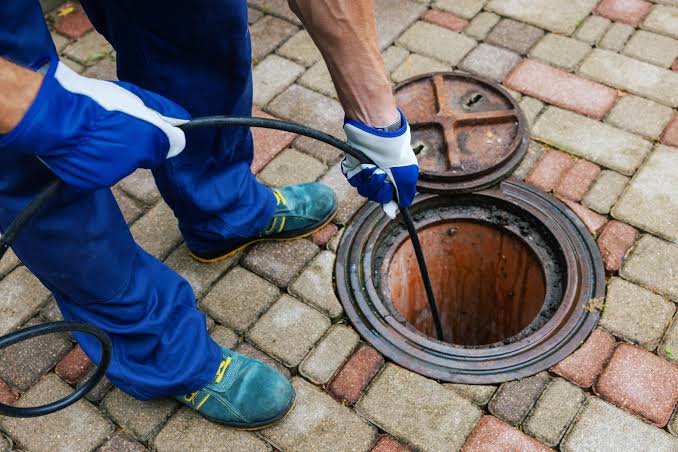
Once the plumber determines that jetting is appropriate, a specialized hose and nozzle are inserted into the plumbing line. Controlled water pressure is used to break up the obstruction and wash away the accumulated material. Afterward, the technician may test the drainage system to make sure water is moving freely.
A careful inspection is especially important when dealing with older plumbing, as excessive pressure can damage pipes that are already compromised.
Why Routine Drain Maintenance Is Worth It
Waiting for a plumbing emergency can be costly and stressful. Routine hydro jetting drain maintenance may help remove buildup before it becomes a serious obstruction, particularly in properties with a history of recurring clogs or heavy drainage use.
Preventive cleaning doesn’t necessarily mean jetting every pipe on a fixed schedule. The frequency depends on the property’s usage, plumbing condition, and previous blockage issues. A restaurant with busy kitchen drains may need more frequent attention than a small residential home.
A professional plumber can recommend a sensible maintenance plan based on actual conditions rather than unnecessary service visits.
Simple Habits That Help Keep Pipes Clear
Daily habits make a real difference. Avoid pouring grease, oil, or leftover food into kitchen sinks. Install drain covers to catch hair and debris in bathrooms. Don’t flush wipes, paper towels, or other items that can create obstructions.
It’s also worth paying attention to warning signs. Gurgling sounds, slow drainage, recurring odors, and water backing up into fixtures usually indicate that something needs attention.
A Cleaner Drainage System Starts With Timely Care
Healthy plumbing isn’t something most people notice, and that’s probably how it should be. Clean drains help maintain a comfortable home, support hygienic commercial kitchens, and keep daily routines running without interruption.
With sensible preventive habits, timely inspections, and professional cleaning when needed, property owners can reduce recurring blockages and avoid many unnecessary plumbing headaches. Sometimes, taking care of a problem early is the simplest way to keep it from becoming a much bigger one.