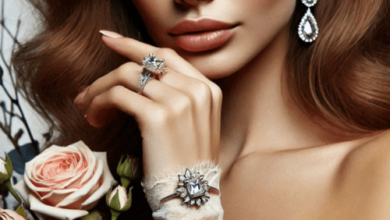
The sustainable jewelry movement is set to reach new heights in 2026, and at the center of this evolution stands Lily Arkwright. Known for its thoughtful approach to design and materials, the brand continues to reshape expectations around modern fine jewelry. From responsible sourcing to innovative design practices, oval engagement rings by Lily Arkwright have become a symbol of how luxury and sustainability can exist in harmony. As consumer awareness grows, the company’s approach offers insight into where the jewelry industry is heading.
One of the key reasons Lily Arkwright is leading this movement lies in its commitment to lab grown gemstones. Lab grown diamonds and gemstones require significantly fewer natural resources than traditional mining, while also reducing environmental disruption. By focusing on these alternatives, the brand supports a more responsible supply chain without compromising the visual brilliance or structural integrity that buyers expect. This approach aligns closely with the values of modern consumers who want meaningful pieces that reflect both personal style and ethical awareness.
Design innovation also plays a central role in the brand’s sustainability leadership. Rather than following short lived trends, Lily Arkwright emphasizes timeless silhouettes and refined craftsmanship. This ensures that each ring is designed to be worn and cherished for generations. Oval cuts, in particular, have gained attention for their elegant proportions and ability to maximize light reflection. These design choices not only enhance visual appeal but also encourage long term ownership, which is an often overlooked aspect of sustainability.
Another defining factor is the transparency embedded in the brand’s process. Consumers today are more informed and more curious about how products are made. Lily Arkwright responds to this by clearly communicating its materials, production values, and ethical standards. This openness builds trust and helps buyers feel confident that their purchase aligns with their personal principles. In 2026, transparency is no longer optional, and the brand’s proactive stance places it ahead of many competitors.
Craftsmanship further reinforces Lily Arkwright’s position within the sustainable jewelry movement. Each piece reflects a careful balance between modern technology and traditional techniques. Precision setting methods reduce material waste, while thoughtful production planning helps limit excess inventory. These behind the scenes decisions may not always be visible to customers, but they play a vital role in reducing the overall environmental footprint of each piece.
Customization is another area where sustainability and personalization intersect. By offering made to order designs, the brand minimizes unnecessary production while allowing customers to participate in the creative process. This approach reduces waste and ensures that each ring holds personal significance. When jewelry is created with intention, it is far less likely to be replaced or discarded, reinforcing sustainable consumption habits.
Looking toward 2026, Lily Arkwright’s influence extends beyond its own collections. The brand’s success demonstrates that ethical practices can be both commercially viable and aesthetically compelling. As more companies observe this model, industry wide shifts toward responsible sourcing and production become increasingly likely. This ripple effect has the potential to redefine how fine jewelry is perceived and produced in the coming years.
Ultimately, Lily Arkwright’s leadership in the sustainable jewelry movement is not driven by a single initiative, but by a holistic philosophy. From materials and design to transparency and longevity, every decision reflects a commitment to responsible luxury. As consumers continue to seek jewelry that aligns with their values, the brand’s approach offers a clear example of how the future of fine jewelry can be both beautiful and mindful.