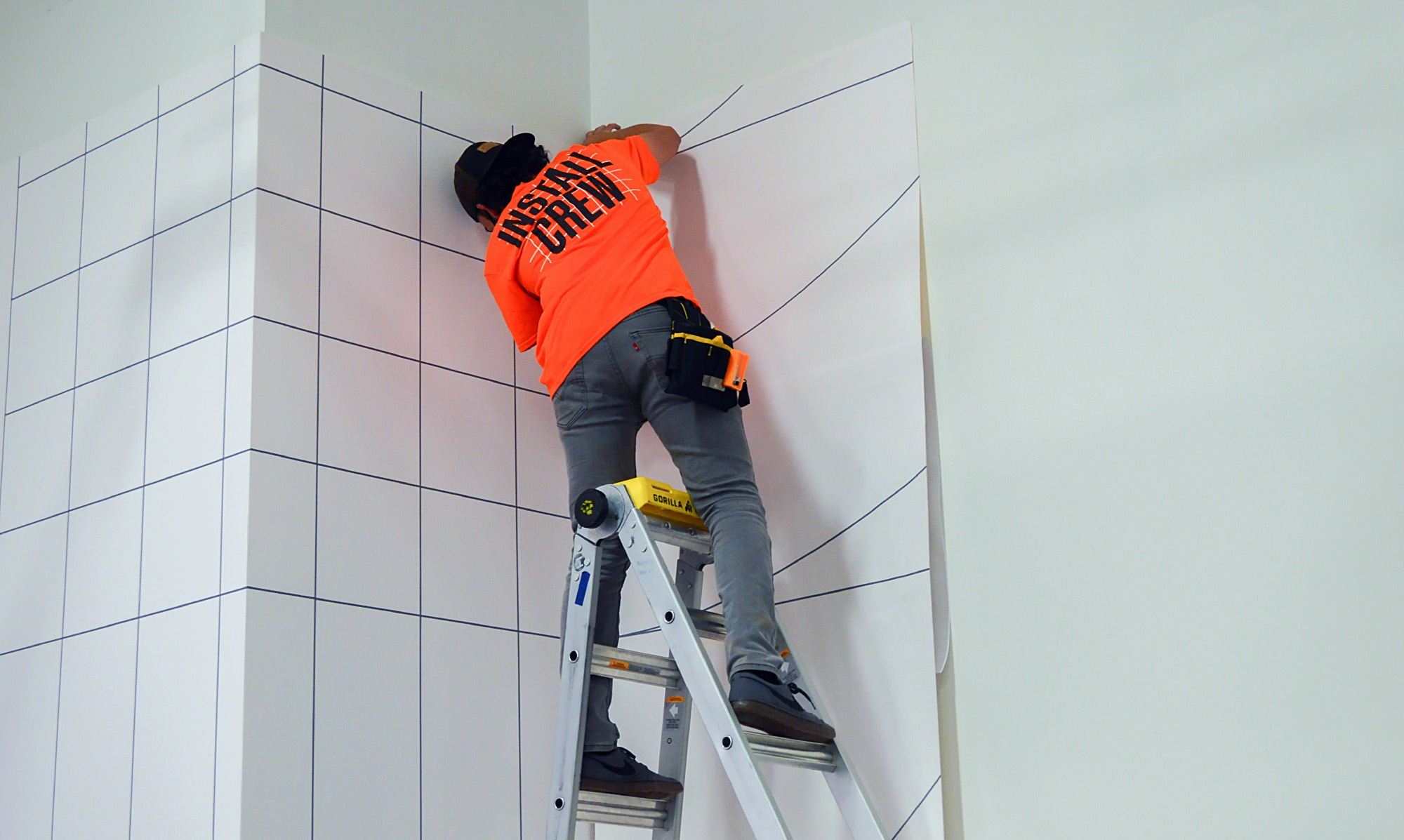
A vehicle wrap can look simple from the outside. Pick a design, print it on vinyl, apply it to the vehicle and drive away. In reality, a professional wrap is a combination of design, materials, surface preparation, printing and installation. Each part can affect how the finished graphics look and how well they perform over time.
For businesses, that distinction matters. A branded van or truck is often one of the most visible pieces of marketing a company owns. It travels through neighborhoods, parks outside customer homes and sits in traffic where hundreds of people can see it. If the graphics fade, peel or look poorly installed, the vehicle may communicate the wrong message.
That’s why certifications and manufacturer standards deserve a closer look.
What Certification Really Tells You
Certification doesn’t automatically make every project perfect, but it can provide useful reassurance.
Manufacturers establish specific standards for materials, printing, installation and expected performance. When a business works with qualified professionals, there is a better chance that the right products and techniques will be used together.
For customers, the important question isn’t simply whether a company says it uses quality vinyl. It’s worth asking what materials are being used, who is installing them and whether the installer has relevant manufacturer credentials.
Those details can tell you quite a bit about how seriously the provider approaches the work.
Understanding 3M Scotchprint Graphics
3M has been involved in commercial graphics and vehicle applications for decades, developing materials designed for demanding environments.
A 3m authorized scotchprint graphics manufacturer can offer access to products within an established graphics system, but businesses should still understand exactly what they’re purchasing. Different films, adhesives and overlaminates can be designed for different applications.
A vehicle used for daily commercial work may require different materials from a temporary promotional display.
It’s not just about the name printed on the box. The complete system matters.
Why Material Compatibility Matters
One of the easiest mistakes in vehicle wrapping is treating vinyl as if all products are interchangeable.
They’re not.
Different materials can behave differently around curves, edges and recessed surfaces. Adhesives can have different characteristics, and the choice of overlaminate can affect durability and appearance.
A professional provider should know how the components work together.
This is particularly important when a business expects the wrap to remain on the vehicle for several years. A short-term solution may look perfectly fine initially but may not deliver the same long-term performance as a system designed specifically for extended outdoor use.
What Does an MCS Warranty Mean?
Warranty language can sound complicated, especially when several technical terms appear together.
A 3m mcs warranty certified project generally refers to a graphics system that meets specific manufacturer requirements for materials and production processes. The exact warranty terms depend on the products used, application and conditions.
For business owners, the important lesson is simple: don’t assume that any wrap made with 3M material automatically carries the same warranty.
Ask for details.
Find out which products are being used, what the warranty covers and whether installation requirements must be met. A reputable provider should be comfortable explaining those points rather than brushing them aside.
The Installer Matters Just as Much as the Vinyl
Even excellent materials can produce disappointing results when they’re installed poorly.
Vehicle surfaces aren’t perfectly flat. Installers need to work around handles, seams, mirrors, wheel arches, body curves and other difficult areas.
A 3m certified installer has received training associated with the manufacturer’s application standards, which can provide an additional level of confidence when choosing a provider.
Certification isn’t a substitute for experience, but it can demonstrate that the installer has been trained to work with particular materials and techniques.
That’s useful, especially for larger commercial projects where replacing a poorly installed wrap can become expensive.
Surface Preparation Should Never Be Rushed
Before vinyl is applied, the vehicle needs proper preparation.
Dirt, wax, grease and other contaminants can interfere with adhesion. Existing paint damage can also affect the final result.
A professional installation begins with inspecting the surface and cleaning it appropriately. Difficult areas such as edges, seams and recesses may require extra attention.
It might not be the most exciting part of the project, but preparation is one of those stages where patience pays off.
Rushing it can create problems that only become obvious later.
Design and Installation Need to Work Together
A wrap isn’t simply a printed picture.
The design needs to account for the vehicle’s shape. Important text shouldn’t disappear around a door seam. Logos should remain recognizable across curves. Contact information needs to be visible from the angles where people are most likely to see it.
This is why communication between designer and installer matters.
If the artwork is created without considering installation realities, the final result may not match the original design proof.
Good professionals think about both sides of the process from the beginning.
Maintenance Still Matters After Installation
A professionally installed wrap isn’t maintenance-free.
Regular cleaning can help preserve the appearance of the vinyl, particularly on vehicles that spend most of their time outdoors. Road dust, mud, tree sap and other contaminants should ideally be removed before they become difficult to clean.
Harsh chemicals and abrasive cleaning methods can damage some finishes, so following the material manufacturer’s care recommendations is sensible.
Businesses should also inspect the edges occasionally. Catching a small lifting area early may prevent a more significant problem later.
Ask Questions Before Signing the Contract
A little research before installation can save considerable frustration.
Ask the provider:
- Which vinyl and laminate will be used?
- Is the material intended for the vehicle’s application?
- Who will install the graphics?
- Are relevant certifications current?
- What warranty applies to the complete system?
- How should the finished wrap be maintained?
- What happens if a panel is damaged?
A professional provider should be willing to answer these questions clearly.
If the explanation is vague or you’re being pushed to make a quick decision, it may be worth slowing down.
Quality Is About the Whole System
The strongest vehicle graphics projects don’t rely on one impressive component.
They combine suitable materials, thoughtful design, careful preparation, skilled printing and proper installation. Certifications can help verify that certain standards have been met, while a strong portfolio and clear communication provide additional reassurance.
For businesses, that matters because vehicle branding is a long-term investment. A wrapped vehicle may generate thousands of impressions while simply doing its normal job.
You want those impressions to reflect well on the company.
In the end, choosing certified materials and trained professionals isn’t about chasing impressive-sounding labels. It’s about reducing uncertainty and giving the project a better foundation.
A good wrap should look sharp when it’s new, continue looking professional as the vehicle works, and represent the business with confidence wherever it goes. That’s the real value behind doing the job properly from the start.