Blog

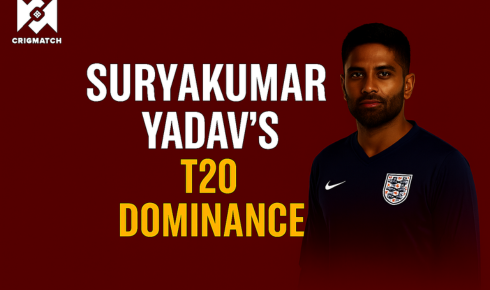
  • Suryakumar Yadav’s T20 dominance

    Suryakumar Yadav’s T20 dominance

    T20 cricket has always been a format that rewards innovation, courage, and adaptability. While many batters have found success with raw power or conventional stroke play, few have managed to combine flair with consistency the way Suryakumar Yadav has. Popularly known as “SKY,” he has become the face of modern T20 batting—unpredictable, explosive, and dependable all at once.

    In 2025, his influence in T20 cricket is unquestionable. Whether in international matches or global leagues, Suryakumar Yadav continues to redefine the boundaries of creativity in batting.


    The Evolution of Suryakumar Yadav

    Suryakumar’s journey is a story of resilience. For years, he dominated domestic cricket and franchise leagues but had to wait patiently for a spot in the Indian national team. Once the opportunity came, he made an immediate impact with audacious shots, self-confidence, and match-winning knocks.

    His evolution is not just about perseverance; it is about perfecting a style that thrives in high-risk environments. Unlike many players who falter under pressure, SKY seems to enjoy it—thriving on challenges and turning them into opportunities for expression.


    A 360-Degree Batter

    What sets Suryakumar apart is his ability to score runs all around the ground. His batting is often described as 360-degree play, where he finds gaps that few others can.

    • Behind the Stumps: His scoops and flicks over the keeper’s head are trademarks of his fearless batting.
    • Offside Mastery: From late cuts to inside-out drives, his offside range is unmatched.
    • Leg-Side Domination: His lofted flicks and pick-up shots make him dangerous against both pace and spin.

    This unpredictability forces bowlers to rethink their plans constantly, giving him a psychological edge.


    Strike Rate and Consistency

    Many batters can score quickly, but Suryakumar combines high strike rate with consistency—a rare quality in T20 cricket. He is not just about a few flashy innings; his numbers reflect sustained dominance.

    • Maintains strike rates well above 150 in international T20s.
    • Converts starts into impactful innings, often playing the defining knock of the match.
    • Rarely slows down, keeping pressure on bowlers from the first ball.

    This consistency has made him a vital cog in India’s T20 setup and a prized player in franchise leagues worldwide.


    Mental Strength and Fearlessness

    The essence of Suryakumar’s success lies in his fearless mindset. He doesn’t play by conventional rules but instead creates his own template:

    • Calm Under Pressure: Even when chasing steep targets, his composure stands out.
    • Calculated Risks: His unorthodox shots may look risky, but they are built on hours of practice.
    • Self-Belief: He backs himself to clear boundaries in unconventional areas, unsettling bowlers.

    This mental toughness separates him from others who often struggle with pressure in crunch moments.


    Impact on Team Strategy

    Suryakumar’s presence allows captains and coaches to shape team strategy differently.

    • Flexible Batting Position: He can slot in at No. 3, No. 4, or even lower depending on the situation.
    • Accelerator Role: His ability to score quickly against any attack provides balance to the batting order.
    • Partnership Builder: While aggressive, he also builds partnerships, guiding younger players and finishing games.

    His versatility makes him invaluable, offering both stability and firepower.


    Global Recognition

    Suryakumar is not just dominating for India; he has become a global star. His performances in franchise leagues across the world have earned him admiration from teammates, opponents, and fans alike. Commentators often label him the most innovative batter of his era, while former legends call him a pioneer of modern T20 batting.

    His success also highlights the depth of Indian cricket, where a player who spent years waiting for his chance now stands among the best in the world.


    Comparisons with Other Greats

    Suryakumar is frequently compared with iconic T20 players:

    • AB de Villiers: Both share the 360-degree batting style and ability to innovate under pressure.
    • Glenn Maxwell: Like Maxwell, SKY thrives on audacity, but his consistency sets him apart.
    • Virat Kohli: While Kohli is celebrated for chasing with precision, SKY’s role is about explosive acceleration.

    These comparisons underline his stature as a unique force in T20 cricket.


    The Road Ahead

    At 34, Suryakumar Yadav still has several years of cricket left in him. The road ahead includes:

    • Major ICC Tournaments: His role will be pivotal in India’s quest for T20 glory.
    • Franchise Leagues: Continued global exposure will help him refine his craft further.
    • Mentorship Role: As one of the senior players, he is expected to mentor rising batters, passing on his fearless approach.

    If he maintains his fitness and hunger, SKY could leave behind a legacy as one of the greatest T20 players ever.


    Final Thoughts

    Suryakumar Yadav has redefined what it means to be a modern T20 batter. His unique style, fearless mindset, and unmatched consistency make him a true game-changer. From domestic cricket to international arenas, he has proved that innovation backed by hard work can conquer any challenge.

    For fans tracking his journey, insights and updates are readily available through Cricmatch and Cricmatch247, which continue to highlight his dominance and the stories that shape his remarkable career.

  • Rubinetto cucina e soluzioni moderne per la tua casa

    Rubinetto cucina e soluzioni moderne per la tua casa

    Quando si parla di arredare e rinnovare una cucina, uno degli elementi che fa davvero la differenza è il rubinetto cucina. Questo componente non è solo un dettaglio funzionale, ma rappresenta anche un elemento estetico che contribuisce allo stile complessivo dell’ambiente. Un rubinetto ben scelto può trasformare l’esperienza quotidiana in cucina, rendendo le attività più pratiche, igieniche e piacevoli.

    L’importanza dei rubinetti cucina

    I rubinetti cucina moderni non si limitano più a fornire acqua. Oggi sono progettati con tecnologie avanzate che consentono una maggiore comodità, come funzioni di risparmio idrico, getti regolabili e sistemi anti-calcare. Inoltre, i materiali utilizzati garantiscono resistenza e durata nel tempo. Acciaio inox, ottone cromato o finiture opache si adattano a qualsiasi stile, dal classico al contemporaneo.

    Il rubinetto è diventato un punto focale che deve armonizzarsi con il resto dell’arredamento. Un design curato e funzionale aumenta non solo il comfort, ma anche il valore estetico della cucina.

    Rubinetti da cucina: varietà e stili

    Quando si sceglie tra i diversi rubinetti da cucina, è importante valutare sia le esigenze pratiche che quelle estetiche. Esistono modelli con canna alta, ideali per lavare pentole e stoviglie ingombranti, oppure versioni con doccetta estraibile, molto comode per raggiungere ogni angolo del lavello.

    Alcuni rubinetti sono dotati di miscelatori monocomando che permettono di regolare facilmente la temperatura e la pressione dell’acqua con un solo gesto. Altri, invece, mantengono il fascino tradizionale con due manopole separate.

    I brand più innovativi propongono anche soluzioni touch o con sensori a movimento, che consentono di attivare il flusso d’acqua senza toccare direttamente il rubinetto, un dettaglio che migliora l’igiene e semplifica il lavoro in cucina.

    Miscelatore doccia: comfort e versatilità

    Non solo cucina: anche il bagno merita attenzione, soprattutto nella scelta del miscelatore doccia. Questo elemento è fondamentale per garantire una regolazione precisa dell’acqua, offrendo comfort e praticità. I miscelatori moderni sono progettati per mantenere la temperatura costante ed evitare sprechi energetici, migliorando così l’esperienza quotidiana sotto la doccia.

    La gamma di design è ampia: dai modelli minimalisti con linee pulite fino alle versioni più elaborate, perfette per chi ama lo stile classico. Anche in questo caso, la qualità dei materiali è essenziale per resistere all’umidità e all’uso frequente.

    Lavello per cucina: il cuore operativo

    Oltre al rubinetto, un altro protagonista della zona operativa è il lavello per cucina. La scelta del lavello influisce direttamente sulla funzionalità e sull’organizzazione dello spazio. Esistono lavelli a una o due vasche, con gocciolatoio integrato o senza, in materiali che spaziano dall’acciaio inox alla ceramica fino al granito composito.

    Un lavello ben progettato permette di ottimizzare le attività quotidiane, come lavare frutta, verdura e stoviglie, senza sacrificare lo stile. Abbinato al rubinetto giusto, diventa il fulcro di un ambiente pratico e accogliente.

    Consigli per scegliere il rubinetto giusto

    1. Funzionalità: valuta se preferisci un rubinetto con doccetta estraibile o uno standard.
    2. Materiali: scegli finiture resistenti che si abbinino al tuo arredamento.
    3. Design: opta per linee moderne o classiche in base allo stile della cucina.
    4. Tecnologia: considera modelli con sensori touchless o sistemi anti-goccia.
    5. Ergonomia: assicurati che il rubinetto sia comodo da usare e proporzionato al lavello.

    Conclusione

    La cucina è il cuore pulsante della casa, e ogni dettaglio, dal rubinetto al lavello, contribuisce a renderla funzionale e bella. Investire in un rubinetto di qualità significa migliorare la praticità, risparmiare acqua e aggiungere un tocco di design unico. Allo stesso modo, la scelta di un buon lavello e di un miscelatore per il bagno completa l’arredo domestico con eleganza e funzionalità.

  • The Role of a Web Design Company in Building Trust for Dallas Restoration Businesses

    The Role of a Web Design Company in Building Trust for Dallas Restoration Businesses

    First Impressions through Professional Web Design

    The digital face of a restoration business is its website. A clean, professional design signals credibility and care, which is essential for homeowners seeking urgent help after a disaster. Partnering with a Dallas Restoration Web Design Company ensures that your brand’s first impression builds trust rather than doubt. For example, a homepage with cluttered text and outdated graphics can make visitors question your reliability, while a streamlined layout with strong visuals and clear navigation reassures them instantly.

    To execute this effectively, restoration businesses should begin with a discovery phase, working with the design company to understand customer pain points. Next, wireframes and mockups should be tested with real users to gauge clarity and ease of use. Finally, the approved design should be developed with responsive elements so that it looks professional on any device.

    Showcasing Credentials and Certifications

    Trust often hinges on proof. Displaying industry certifications, licenses, and insurance details on your website validates professionalism. Restoration services involve safety and property value, so visitors need to know you meet standards. For example, a badge from the Institute of Inspection, Cleaning, and Restoration Certification (IICRC) immediately signals credibility.

    Execution involves gathering all valid certifications and creating a dedicated “About Us” or “Credentials” page. Strategically place certification logos on the homepage and service pages to reinforce authority. Adding hover tooltips or expandable sections explaining the significance of each certification helps visitors understand their value.

    Leveraging Testimonials and Case Studies

    People trust the experiences of others more than company claims. Highlighting testimonials, before-and-after photos, and detailed case studies builds social proof. For instance, showing how you restored a Dallas family’s home after water damage gives visitors a relatable success story.

    To implement this, reach out to past clients for permission to feature their stories and photos. Then, integrate testimonials throughout the site—on service pages, not just a testimonials page. Case studies should follow a structure: problem, solution, and results, supported by visuals. A rotating testimonial slider or embedded video reviews can further strengthen credibility.

    Prioritizing Transparency with Clear Service Information

    Homeowners facing a crisis want straightforward information. Transparency in service offerings, pricing estimates, and processes eliminates confusion and builds trust. For example, listing steps of a typical water damage restoration project shows customers what to expect.

    Execution starts with breaking down services into digestible sections. Each service page should include FAQs, estimated timelines, and an explanation of processes. Adding an interactive element like a “cost estimator” form can further reassure customers by making pricing less ambiguous.

    Building Trust through Accessibility and Speed

    A trustworthy website must be accessible to everyone and load quickly. A slow or non-ADA-compliant website frustrates users and may signal unprofessionalism. For example, a mobile visitor who cannot read small text or navigate menus easily might leave for a competitor.

    To execute this, use accessibility checkers to ensure compliance with ADA standards. Optimize images, leverage caching, and use a reliable hosting provider for fast loading times. Adding accessibility features such as text-to-speech or high-contrast options reinforces inclusivity and professionalism.

    Strengthening Security with Trust Signals

    Security is non-negotiable when customers are filling out forms or sharing contact details. A secure, HTTPS-enabled site with visible trust badges demonstrates responsibility. For example, a homeowner providing insurance claim details needs assurance their information is safe.

    Execution involves working with the design company to install SSL certificates, display privacy policies, and regularly update plugins or CMS systems. Adding clear calls-to-action near secure forms, such as “Your information is safe with us,” helps reduce hesitation.

    Local Connection and Community Trust

    For restoration businesses, trust also stems from being part of the local community. A website should emphasize Dallas-specific connections through local partnerships, community involvement, and area-specific case studies. For instance, showcasing partnerships with Dallas insurance companies highlights your network and reliability.

    To implement this, feature a “Proudly Serving Dallas” section on the homepage, include location-based keywords naturally in content, and integrate local maps. Adding community photos or blog posts covering local events reinforces that you’re invested in the area, not just the transaction.

    Conclusion: Trust as the Core of Web Design

    Trust is the currency that restoration businesses thrive on, and a professional web design company helps establish it from the first click. From clean layouts and transparent services to secure transactions and local credibility, every detail plays a role in shaping perceptions. By collaborating with a Dallas Restoration Web Design Company, businesses can ensure their online presence doesn’t just attract visitors but converts them into long-term, loyal clients.

  • Why the First 10 Years of Your SIP May Feel Surprisingly Slow

    Why the First 10 Years of Your SIP May Feel Surprisingly Slow

    In the world of systematic investment plans (SIPs), the initial years can often seem sluggish despite consistent contributions. Unpacking this phenomenon reveals valuable insights for investors. Explore why the first decade of your SIP might feel unexpectedly slow and how HDFC SKY, with its comprehensive investment offerings, can support your financial journey effectively.

    Understanding the Concept of SIP

    Systematic Investment Plan (SIP) is a popular investment strategy that allows investors to regularly invest a fixed amount in mutual funds. It is an effective way to create wealth over the long term by harnessing the power of compounding. HDFC SKY, the all-in-one investment platform by HDFC Securities, provides a seamless and convenient way for investors to set up SIPs across a wide range of investment options. With zero AMC for the first year and a flat brokerage fee of ₹20 per trade, HDFC SKY makes it cost-effective for investors to build a diversified portfolio through SIPs. The platform’s support for trading in stocks, mutual funds, ETFs, IPOs, F&O, commodities, and currency ensures that investors have a plethora of choices to align their SIP investments with their financial goals.

    SIP Calculator is a crucial tool for investors to estimate the future value of their SIP investments and make informed decisions. By inputting variables such as the monthly investment amount, duration, and expected rate of return, investors can project potential returns and adjust their strategies accordingly. This empowers them to stay on track with their financial objectives while optimizing their investment strategy. With HDFC SKY’s user-friendly interface, accessing and utilizing the SIP calculator is streamlined, enabling investors to make more precise and confident investment decisions to secure their financial future.

    HDFC SKY’s SIP feature offers flexibility to investors, allowing them to automate their investments without the hassle of manual intervention. By setting up SIPs through HDFC SKY, investors can benefit from expert research and advanced charting tools to make informed investment decisions. The platform’s margin trading option at 1% p.m. provides an additional avenue for investors to leverage their investments strategically. With the convenience of a single platform offering diverse investment options and value-added features, investors can effectively manage their SIP investments and stay on track towards achieving their financial objectives.

    The Impact of Market Volatility on SIP Returns

    Market volatility can have a significant impact on SIP returns, especially for investors using platforms like HDFC SKY by HDFC Securities. During periods of high volatility, the value of investments in the market can fluctuate rapidly, leading to potential losses for investors. SIPs, or Systematic Investment Plans, involve regular investments in mutual funds over a period of time. While SIPs are designed to average out the cost of investments and reduce the impact of market fluctuations, sustained volatility can still affect overall returns. Investors using HDFC SKY may benefit from the platform’s expert research and advanced charting tools to make informed decisions during volatile market conditions. The ability to trade across various asset classes, including stocks, mutual funds, ETFs, and derivatives, gives investors a diversified approach to navigate market volatility and potentially mitigate risks.

    HDFC SKY’s features, such as zero AMC for the first year and flat ₹20 brokerage per trade, can be advantageous for investors looking to optimize their returns amidst market volatility. The platform’s margin trading option at 1% p.m. provides investors with additional leverage to capitalize on market opportunities during turbulent times. By offering access to a wide range of investment products, including IPOs, commodities, and currency trading, HDFC SKY enables investors to diversify their portfolios and spread risk. This diversification can be particularly valuable in managing the impact of market volatility on SIP returns, as it allows investors to hedge against potential losses in one asset class by investing in others that may perform better under challenging market conditions.

    Importance of Long-Term Commitment in SIP

    Systematic Investment Plan (SIP) is a disciplined approach to investing in mutual funds where investors commit to investing a fixed amount regularly over a long period. The importance of long-term commitment in SIP cannot be overstated, especially when considering the benefits it offers. HDFC SKY, with its diverse investment options and expert research support, provides an ideal platform for investors looking to build wealth over time. By committing to a SIP for the long term, investors benefit from the power of compounding, where their investments grow exponentially due to reinvestment of returns. This long-term commitment also helps investors navigate market fluctuations and volatility, allowing them to stay invested through market cycles and benefit from rupee-cost averaging, which averages out the purchase cost of units over time.

    SWP Calculator is another valuable tool provided by HDFC SKY, enabling investors to effectively plan their systematic withdrawal from mutual funds. Just as the long-term commitment in a SIP nurtures financial discipline and growth, a well-structured SWP ensures regular income post-investment phase, supporting financial goals such as retirement planning. By strategically using both SIPs and SWPs, investors can create a balanced portfolio that maximizes returns while providing liquidity. Understanding these tools enables investors to make informed decisions, optimizing their investment strategies and enhancing the overall financial well-being over the long term.

    Additionally, a long-term commitment in SIP ensures financial discipline and helps investors achieve their financial goals. With HDFC SKY’s user-friendly interface and advanced charting tools, investors can track the performance of their investments and make informed decisions. Consistency in investing over the long term helps in achieving financial objectives such as building a retirement corpus, purchasing a home, or funding higher education. The flat brokerage fee per trade offered by HDFC SKY ensures cost-effective investing, making it easier for investors to stay committed to their SIP without worrying about high transaction costs. In conclusion, a long-term commitment in SIP, supported by a robust platform like HDFC SKY, is crucial for investors to realize the full benefits of systematic investing and achieve their financial aspirations.

    Factors Influencing the Growth of SIP Investments

    The growth of Systematic Investment Plan (SIP) investments is influenced by various factors, with the convenience and accessibility of investment platforms playing a crucial role. Platforms like HDFC SKY by HDFC Securities offer all-in-one investment solutions, making it easier for investors to manage their SIPs across different asset classes. The availability of free Demat account opening, zero AMC for the first year, and a flat brokerage fee per trade further incentivize individuals to consider SIP investments as a viable option. Investors are attracted to such platforms that provide a seamless experience in trading stocks, mutual funds, ETFs, IPOs, F&O, commodities, and currency, as it allows them to diversify their portfolio through a single interface.

    Moreover, the growth of SIP investments is also influenced by the value-added features and tools offered by platforms like HDFC SKY. Margin trading at a competitive rate of 1% p.m. allows investors to amplify their investment potential, while expert research and advanced charting tools empower them to make informed decisions. These features not only enhance the overall investment experience but also instill confidence in investors, encouraging them to commit to long-term SIP plans. By providing a comprehensive suite of services and tools, platforms like HDFC SKY contribute significantly to the growth and popularity of SIP investments among retail investors.

    Strategies to Maximize Returns in the Initial 10 Years of SIP

    To maximize returns in the initial 10 years of SIP with HDFC SKY, it is crucial to adopt a disciplined and strategic approach. Firstly, investors should focus on asset allocation by diversifying their SIP investments across different asset classes like equities, debt, and gold. This helps in spreading the risk and maximizing returns over the long term. Additionally, investors can benefit from the expert research provided by HDFC SKY to make informed investment decisions. Leveraging the advanced charting tools offered by the platform can help investors in identifying market trends and making timely adjustments to their SIP portfolios. Regularly reviewing and rebalancing the SIP portfolio based on changing market conditions and financial goals is essential to ensure optimal returns.

    Furthermore, investors can consider leveraging margin trading at 1% p.m. offered by HDFC SKY to amplify their returns in a disciplined manner. By carefully managing leverage, investors can potentially boost their gains while keeping risks under control. It is also advisable to stay updated on market trends and economic indicators to make informed decisions about when to increase or decrease SIP allocations. By staying invested for the long term and taking advantage of the diverse investment options available on HDFC SKY, investors can maximize returns and achieve their financial goals effectively in the initial 10 years of SIP.

    Realistic Expectations for SIP Performance

    When setting realistic expectations for SIP performance on HDFC SKY, it is crucial to consider the diverse investment options available on the platform. With the ability to trade across stocks, mutual funds, ETFs, IPOs, F&O, commodities, and currency, investors have a wide range of choices to diversify their portfolio. However, it is essential to understand that different asset classes come with varying levels of risk and return potential. Therefore, investors should evaluate their risk tolerance and investment goals before setting expectations for SIP performance. HDFC Securities’ expert research and advanced charting tools can be valuable resources for making informed investment decisions and setting realistic targets for SIP returns.

    Moreover, HDFC SKY’s offering of zero AMC for the first year and flat ₹20 brokerage per trade can significantly impact the overall performance of SIPs on the platform. Low transaction costs and zero annual maintenance charges can enhance the returns generated from systematic investment plans. However, it is essential for investors to factor in these costs while setting performance expectations to ensure a realistic assessment of their SIPs’ growth potential. By leveraging the margin trading facility at 1% p.m., investors can potentially amplify their returns, but it is crucial to exercise caution and understand the associated risks. Overall, setting realistic expectations for SIP performance on HDFC SKY involves a comprehensive analysis of the platform’s features, cost structure, and the investor’s individual financial objectives.

    Comparing SIP with Other Investment Options

    SIP (Systematic Investment Plan) is a popular investment option that offers a disciplined approach to investing in mutual funds. It allows investors to invest a fixed amount regularly, typically monthly, in a selected mutual fund scheme. SIP helps in averaging out the cost of investment over time, reducing the impact of market volatility. Compared to other investment options like lump sum investments, SIPs provide the benefit of rupee cost averaging and the power of compounding. With HDFC SKY, investors can easily set up SIPs for mutual funds, which can be a convenient and hassle-free way to grow wealth over the long term.

    PNB Share Price fluctuations illustrate the unpredictability inherent in direct stock investments, contrasting with the structured stability of SIPs. While direct investments in shares may yield substantial returns, they require constant vigilance and market understanding, making them unsuitable for every investor. SIPs, on the other hand, allow for a more hands-off approach, promoting disciplined savings and long-term financial growth. Furthermore, unlike traditional fixed deposits or bonds, SIPs offer the potential for higher returns due to their exposure to the equity market, albeit with the associated risks. Thus, SIPs present a compelling alternative for those seeking balanced growth and manageable risk.

    When comparing SIP with other investment options such as direct stock trading, SIPs are considered less risky as they spread out investments over a period of time, reducing the impact of market fluctuations. Direct stock trading requires a good understanding of the stock market and individual stock performance, which may not be feasible for all investors. HDFC SKY’s platform offers the flexibility to invest in both stocks and mutual funds, catering to a diverse range of investors with varying risk appetites and investment goals. With features like expert research and advanced charting tools, investors can make informed decisions while investing through SIPs or trading in stocks, enhancing their overall investment experience.

    Addressing Common Misconceptions About SIP

    SIP, or Systematic Investment Plan, is a popular investment tool that allows investors to regularly invest a fixed sum in mutual funds over a period of time. One common misconception about SIPs is that they are only meant for long-term investors. While it is true that SIPs are an excellent tool for long-term wealth creation due to the power of compounding, they can also be beneficial for short-term goals. Investors can choose the duration of their SIP based on their financial goals, whether it’s a few months or several years. SIPs offer flexibility and can be customized to suit varying investment horizons.

    Another misconception about SIPs is that they are only suitable for equity mutual funds. While SIPs are commonly associated with equity investments, they can also be used for investing in debt funds, hybrid funds, and even gold funds. Investors have the flexibility to diversify their portfolio and mitigate risk by investing in different asset classes through SIPs. HDFC SKY provides a platform where investors can set up SIPs across various mutual fund categories, enabling them to create a well-rounded investment portfolio. By addressing these misconceptions, investors can make informed decisions and leverage the benefits of SIPs across a wide range of investment options.

    Case Studies Illustrating SIP Growth Over 10 Years

    Over the past decade, HDFC SKY has showcased remarkable growth and success as a comprehensive investment platform. Through case studies illustrating its evolution over 10 years, it becomes evident that HDFC SKY has continuously adapted to the changing financial landscape. Initially launched with the vision of providing a seamless investment experience, HDFC SKY has expanded its offerings to cater to a diverse range of investment needs. The platform’s commitment to innovation is reflected in its free Demat account opening, zero AMC for the first year, and flat brokerage of ₹20 per trade, making it a cost-effective option for investors.

    Moreover, HDFC SKY’s support for trading across multiple asset classes, including stocks, mutual funds, ETFs, IPOs, F&O, commodities, and currency, has contributed to its substantial growth over the years. The introduction of features such as margin trading at 1% p.m., expert research, and advanced charting tools has further enhanced the platform’s appeal among investors. By leveraging technology and staying abreast of market trends, HDFC SKY has successfully positioned itself as a reliable and efficient investment platform, attracting a growing number of users seeking a one-stop solution for their investment needs.

    Investment App adoption has skyrocketed, thanks to HDFC SKY’s user-friendly interface and robust security features that protect user assets and data. The platform’s seamless integration with real-time market data empowers investors to make informed decisions swiftly. Furthermore, its customizable dashboard and personalized alerts enable users to track market movements closely and respond to opportunities with agility. This comprehensive ecosystem not only bolsters user confidence but also fosters a community of informed investors. As a result, HDFC SKY continues to thrive as a preferred choice for both novice and seasoned traders alike.

    Seeking Professional Advice for Optimal SIP Management

    Managing a Systematic Investment Plan (SIP) efficiently is crucial for long-term financial planning and wealth creation. Seeking professional advice for optimal SIP management can significantly enhance one’s investment strategy. HDFC SKY, the comprehensive investment platform by HDFC Securities, provides a range of investment options including stocks, mutual funds, ETFs, IPOs, F&O, commodities, and currency trading. With the platform offering free Demat account opening, zero AMC for the first year, and a flat brokerage fee of ₹20 per trade, investors can access a cost-effective solution to manage their SIPs effectively. Furthermore, HDFC SKY’s margin trading facility at 1% per month, expert research insights, and advanced charting tools empower investors to make informed decisions and maximize their SIP returns.

    Professional advice plays a critical role in SIP management by helping investors understand market trends, diversify their portfolios, and optimize their investment strategy. HDFC SKY’s expert research services provide valuable insights and recommendations, enabling investors to make well-informed decisions regarding their SIP investments. Through personalized guidance and market analysis, investors can navigate the complexities of the financial markets and tailor their SIPs to align with their long-term goals. Leveraging the advanced charting tools on the platform, investors can track performance, analyze trends, and make data-driven investment decisions to enhance the efficiency of their SIP management. By seeking professional advice through platforms like HDFC SKY, investors can unlock the full potential of their SIP investments and achieve optimal growth over time.
  • Tailored Solutions for Streamlined Marketing and Sales Operations

    Tailored Solutions for Streamlined Marketing and Sales Operations

    You know the feeling. Sales is chasing leads in one spreadsheet, marketing is running campaigns in another tool, and customer service is stuck copying updates into emails at the end of the day. It’s a messy juggling act, and no one really knows where the balls are going to land.

    In today’s fast-paced Australian market, where every customer expects personal attention and quick follow-ups, this disjointed setup isn’t just frustrating, it’s costly. What you need is a system that ties everything together without slowing you down. And that’s exactly what tailored solutions, guided by a Zoho specialist or a trusted Zoho implementation consultant, are designed to do.

    Why Tailored CRM Solutions Are a Game-Changer

    A CRM isn’t just about storing contacts. When used properly, it becomes the backbone of your business. But here’s the catch: every business is different. What works for a boutique clothing store in Melbourne won’t fit a B2B supplier in Brisbane.

    That’s why tailored solutions matter. They take your unique processes, from lead generation to closing sales, and weave them into a system that feels seamless. With the right CRM setup:

    • Leads don’t slip through the cracks.
    • Sales and marketing teams work in sync.
    • You gain visibility across every customer interaction.
    • Reporting becomes effortless instead of a headache.

    Without tailoring, a CRM is just another tool. With it, your business gains a competitive advantage.

    FAQs: Understanding the Value of Custom CRM Guidance

    1. What does a Zoho specialist actually do?
    A Zoho specialist helps businesses design, customise, and manage their Zoho applications. They make sure your CRM fits your workflows, not the other way around.

    2. How is a Zoho implementation consultant different?
    A Zoho implementation consultant focuses on strategy and execution. They assess your needs, build a roadmap, and ensure smooth rollout and adoption across teams.

    3. Is custom CRM only for large companies?
    Not at all. Small and medium businesses often benefit the most because tailored solutions streamline processes that would otherwise eat into limited resources.

    4. How long does implementation take?
    It depends on the complexity. Some projects can be done in weeks, while larger setups may take months.

    The Role of a Zoho Specialist

    Think of a Zoho specialist as your mechanic for business systems. You could technically tinker under the hood yourself, but why risk breaking the engine? Specialists know which modules to tweak, how to automate repetitive tasks, and how to integrate Zoho with tools you already use, like Xero or Mailchimp.

    Their role includes:

    • Designing sales pipelines that reflect your real process.
    • Setting up automated email sequences for leads and customers.
    • Creating dashboards that show KPIs at a glance.
    • Troubleshooting and refining as your business grows.

    The Value of a Zoho Implementation Consultant

    Where a specialist is hands-on with the technical build, an implementation consultant looks at the bigger picture. They focus on strategy, ensuring that your CRM isn’t just functional but also future-proof.

    A consultant will:

    • Map out your current sales and marketing processes.
    • Identify bottlenecks or gaps in communication.
    • Build a phased plan for implementation.
    • Train your team so adoption is smooth and stress-free.

    It’s the difference between simply owning a powerful tool and knowing how to use it to its fullest.

    Advanced Features That Simplify Operations

    Here’s where the fun begins. With tailored CRM guidance, you can unlock features that most businesses don’t even know exist:

    • Blueprints: Enforce step-by-step processes so no lead is forgotten.
    • Automation: From instant lead assignment to invoice generation, automation cuts manual work.
    • Integrations: Link your CRM with accounting, marketing, and service tools for a single source of truth.
    • AI Insights: Zoho’s AI assistant can predict deal closures or suggest the best time to email a client.
    • Custom Modules: Build fields and layouts specific to your industry.

    These aren’t just shiny add-ons. They’re time-savers that directly boost revenue.

    Common Pitfalls to Avoid

    Of course, not every CRM story is a success. Businesses often fall into traps like:

    • Doing it alone. Without guidance, you end up with half-baked setups.
    • Over-engineering. Complex workflows that no one actually uses.
    • Skipping training. If your team doesn’t adopt the system, the project fails.
    • Ignoring reports. Collecting data is useless unless you act on it.

    This is why expert help matters, both the technical skills of a Zoho specialist and the strategic vision of a Zoho implementation consultant.

    Wrapping Up: Streamlining for Success

    Streamlined marketing and sales operations aren’t a luxury. In Australia’s competitive landscape, they’re a necessity. By working with a Zoho specialist and an experienced Zoho implementation consultant, you don’t just get a CRM, you get a tailored engine that drives growth, saves time, and keeps your customers engaged.

    The bottom line? Don’t settle for clunky systems or siloed teams. With the right tailored solutions, your business can operate with clarity and confidence.

  • Finding Beauty in the Everyday: A Dallas Guide to Greener Yards and Happier Homes

    Finding Beauty in the Everyday: A Dallas Guide to Greener Yards and Happier Homes

    If you’ve ever driven through a Dallas neighborhood on a bright spring morning, you know the feeling. The sunlight bounces off fresh grass, the oaks sway with just enough breeze, and the yards — the ones that are cared for with intention — stand out like little works of art. There’s something about the way a well-tended landscape changes not just a property, but the whole street. And honestly, in a city as proud and diverse as Dallas, curb appeal isn’t just vanity; it’s a kind of language that says, we care about where we live.

    But here’s the truth: creating that picture-perfect yard isn’t as effortless as those polished homes make it look. Behind every thriving patch of grass or manicured row of hedges lies a mix of sweat, strategy, and a little bit of science. That’s where the local green-thumbed professionals come in. They bring the know-how, the tools, and the vision to turn average outdoor spaces into places that people actually want to spend their evenings and weekends.


    Landscaping: More Than Just Planting Pretty Things

    When people think of landscaping, they often picture someone planting flowers or trimming shrubs. But in Dallas, it goes way beyond that. True landscaping dallas services think about the big picture: how the Texas heat affects soil, which plants actually survive in our unpredictable weather, and how design can balance beauty with function. A stone pathway, for example, isn’t just decoration. It’s a way to create flow in the yard. A row of native plants? That’s not only charming but also water-wise — a big deal when summers drag on.

    What sets great landscaping apart is the vision. It’s less about filling space with greenery and more about designing an outdoor extension of the home. A backyard can become an evening retreat with string lights and carefully arranged seating. The front yard, meanwhile, can reflect a homeowner’s personality — whether that means bold color with perennials or a minimalist look with modern edging and muted tones.


    Lawn Care: Where Pride Meets Practicality

    The lawn is often the centerpiece of a Dallas home, yet it’s also the part most homeowners struggle with. The blazing summers, surprise rainstorms, and occasional freezes don’t exactly make things simple. Still, there’s nothing like walking barefoot across soft grass after a long day — which explains why lawn care dallas isn’t just a casual service, it’s practically a necessity.

    Maintaining a healthy lawn is about more than mowing once a week. It’s aeration when the soil gets compact, fertilization when nutrients run low, and adjusting watering schedules to match the season (because yes, overwatering can be just as bad as forgetting to water at all). Local experts also understand which grass varieties do well here — Bermuda, Zoysia, St. Augustine — and how to care for each one.

    The beauty of outsourcing lawn care is peace of mind. Instead of wondering why brown patches keep showing up or fighting weeds every other weekend, homeowners can step back and enjoy the space without the stress.


    The Often Overlooked Hero: Yard Maintenance

    Here’s the thing about yards: they don’t stay beautiful on their own. Bushes grow wild, leaves pile up, weeds creep in, and before you know it, that polished look starts slipping away. Consistent yard maintenance dallas services are the unsung heroes of homeownership. They keep the little details — the edging, pruning, and cleanup — in check so that the bigger picture always shines.

    It’s easy to underestimate how much of a difference those details make. A driveway clear of leaves, hedges trimmed to match the lines of the home, flowerbeds weeded regularly — they may sound minor, but together, they create harmony. It’s the difference between a house that looks “okay” and one that looks truly cared for. And for homeowners who value both pride and property value, that difference matters.


    Why Dallas Homes Deserve Extra Care

    Dallas isn’t just another city; it’s a place where tradition and innovation live side by side. You see it in the skyline, the food, even the neighborhoods. Homes here carry stories — families gathering on porches, kids chasing each other across backyards, neighbors waving across driveways. Taking care of the outdoor space isn’t just about looks; it’s about honoring that sense of place and community.

    There’s also the practical side. A well-kept yard boosts property value, helps regulate temperature around the home, and can even reduce energy bills with the right placement of shade trees. It’s beauty and function woven together. And when done right, it gives homeowners a chance to step outside and feel proud of what they see.


    Bringing It All Together

    At the end of the day, landscaping, lawn care, and ongoing maintenance are all pieces of the same puzzle. They work together to create spaces that aren’t just pleasant to look at but also meaningful to live in. For Dallas homeowners, it’s about investing in the everyday joys — that Saturday barbecue in the backyard, that evening glass of iced tea on the porch, or that moment when you pull into your driveway and think, yeah, this feels like home.

  • When the Heat Doesn’t Wait: Finding Reliable HVAC Repair in Phoenix

    When the Heat Doesn’t Wait: Finding Reliable HVAC Repair in Phoenix

    Phoenix has a way of reminding you who’s in charge. Step outside on a July afternoon and it feels like walking into a wall of fire. Even your steering wheel seems to fight back, branding your palms if you’re not careful. In a city like this, where summer is less a season and more a test of endurance, your HVAC system is more than a convenience—it’s the one thing standing between daily comfort and chaos.

    When It’s More Than Just Inconvenience

    Air conditioning breakdowns in Phoenix don’t just cause discomfort. They can feel like emergencies. Families with kids or elderly relatives don’t have the option of waiting days for help. That’s why emergency hvac service phoenix isn’t some luxury service—it’s essential. Knowing you can call and have someone show up when the heat is pressing in at midnight makes all the difference. It’s about safety as much as comfort.

    Nights Don’t Offer Much Relief

    Sure, the sun sets, but in July the heat lingers well past midnight. I remember one summer night when my neighbor’s AC gave out. He tried fans, wet towels, even dragging mattresses into the living room, but the air never cooled. By 2 a.m., the family was exhausted and restless. That’s when they found a company offering 24/7 ac repair phoenix, and within hours, they were finally able to sleep. In a city where nights often feel just as stifling as days, round-the-clock service isn’t a perk—it’s survival.

    Why Speed Matters More Here

    In other cities, you might be able to tolerate waiting a few days for repairs. But in Phoenix, “waiting it out” simply isn’t an option. The desert heat builds fast inside a home. That’s why companies who promise fast air conditioning repair are the ones residents keep on speed dial. When the thermostat inside reads 95 and climbing, every minute counts. Quick response isn’t just customer service—it’s what keeps life moving.

    The Clues Before the Breakdown

    The funny thing is, HVAC systems rarely collapse without warning. They drop little hints. Maybe the air feels weaker than it used to. Or you hear a rattle that wasn’t there last week. Sometimes it’s a spike in the electric bill, even though your habits haven’t changed. The problem is, life is busy, and those clues get brushed aside until the system finally gives up entirely. Paying attention earlier can often mean a quick, inexpensive fix instead of a costly, mid-summer emergency.

    The People Who Show Up

    What sticks in my mind most from my own repair experiences isn’t just the cool air flowing again—it’s the technicians themselves. The ones who arrive in the middle of the night, clearly tired but still professional. They explain what’s wrong without talking down to you. They don’t rush, but they don’t waste time either. In Phoenix, HVAC technicians sometimes feel like first responders for your home. When you’re desperate for relief, they’re the ones who deliver it.

    Balancing Cost With Peace of Mind

    Nobody loves seeing repair bills. But in this climate, the question isn’t whether you’ll spend money on your HVAC system—it’s when. The key is finding companies that are transparent about costs and who help you weigh the options honestly. Sometimes a repair makes sense; other times, replacement is smarter in the long run. What you don’t want is someone upselling you on things you don’t need. Trustworthy contractors treat you like a homeowner, not a quick sale.

    Maintenance Still Wins in the Long Run

    It’s not exciting, but maintenance really does make the difference. Replacing filters, cleaning coils, checking refrigerant levels—it’s the boring stuff that keeps your system from crashing on the hottest day of the year. Think of it like taking your car for oil changes. You don’t do it because it’s fun; you do it because you want the car to keep running. In Phoenix, skipping HVAC maintenance is like skipping sunscreen—you might get away with it once, but sooner or later it’ll catch up to you.

    Local Knowledge Matters

    There’s something valuable about working with companies who know the Phoenix climate inside and out. They understand the demands desert dust puts on a system, how long run-times wear down compressors, and what it takes to keep units efficient in relentless heat. National chains have their place, but local technicians bring a layer of understanding that feels personal. They’ve been through the same storms, the same record-breaking summers, and they know exactly what homeowners are facing.

    More Than Just Airflow

    Air conditioning isn’t just about temperature—it’s about how people live. It’s the difference between kids sleeping through the night and tossing on sweaty sheets. It’s grandparents visiting without fear of overheating. It’s families cooking dinner, watching TV, or simply relaxing without feeling drained. Reliable HVAC service shapes daily routines, emotions, and the ability to enjoy life in a place where the environment constantly pushes against you.

    Wrapping It Up: Staying Ahead of the Heat

    Phoenix summers will always be intense. The sun isn’t going anywhere, and the desert won’t suddenly grow mild. But that doesn’t mean your home has to echo that harshness. Whether it’s calling for emergency service in the middle of the night, finding a reliable 24/7 repair team, or simply keeping up with regular maintenance, the goal is simple: stay prepared.

    Because when the AC goes quiet and the house starts to swelter, you realize just how much that steady hum of cool air means. It’s not just a machine working—it’s your comfort, your sanity, and sometimes even your safety. And knowing there’s help ready when you need it most? That’s what makes desert life not just bearable, but livable.

  • The Unseen Backbone of Comfort: Why HVAC Systems Matter More Than You Think

    The Unseen Backbone of Comfort: Why HVAC Systems Matter More Than You Think

    Walk into almost any building—whether it’s a buzzing office tower, a shopping mall, or even your favorite restaurant—and you’ll likely take one thing for granted: the air. Not just whether it’s warm in the winter or cool in the summer, but how steady, breathable, and downright comfortable it feels. That invisible comfort is brought to you by HVAC systems, a technology that often hums quietly in the background while shaping how we live, work, and breathe.

    What’s fascinating is that while most of us notice a flickering lightbulb or a cracked window immediately, we rarely think twice about the air conditioning unit above our heads until something goes wrong. Yet, HVAC isn’t just about comfort—it’s about efficiency, productivity, even safety.


    The Pulse of Modern Business

    If you’ve ever worked in an office that felt more like a sauna in July or a walk-in freezer in January, you know exactly how much environment impacts performance. Temperature and air quality influence not only physical comfort but also mental clarity. Businesses learned this a long time ago. That’s why they invest in commercial hvac services—specialized expertise that keeps large spaces functioning smoothly, often with tailored systems that can manage dozens of rooms and hundreds of people at once.

    But HVAC isn’t only about comfort in these settings. For companies, downtime is costly. An overheated server room can wipe out data; a poorly ventilated factory floor can lead to safety risks. That’s why service contracts and proactive maintenance have become the rule rather than the exception. For many facilities managers, a trusted HVAC partner is as critical as an IT department.


    The Rise of the Rooftop

    If you’ve ever driven through a city and noticed boxy metallic structures dotting rooftops, you were probably looking at AC units. They may not win design awards, but their positioning is genius. Rooftop ac units are easier to install, easier to service, and they free up valuable interior space for businesses that would rather put square footage to better use.

    The rooftop setup also means fewer disturbances. Technicians can access the system without wandering through office spaces, and noise pollution is reduced for those working below. Plus, these units are modular. Need more cooling capacity as your company expands? You can add another unit without overhauling the entire system. It’s a flexible solution in a world where businesses need to scale quickly.

    Of course, rooftop units come with their quirks. Exposure to weather can wear them down faster if maintenance isn’t consistent. But when cared for properly, they’re among the most reliable workhorses of the HVAC world.


    Industry and the Heavy Lifters

    When we talk about HVAC in a home or office, we’re often thinking about comfort. But in manufacturing or heavy industry, it can be a matter of survival—literally for both equipment and workers. Think of chemical plants, automotive factories, or food processing facilities. These environments generate extreme heat, dust, or airborne chemicals. Without robust industrial hvac systems, not only would production slow, but conditions could quickly become hazardous.

    Industrial systems are engineered differently from the ones in your local café. They’re larger, tougher, and often customized to handle unique demands—such as filtering out specific contaminants or balancing humidity levels critical to production. In some cases, precise air quality isn’t just nice to have; it’s required by law. For instance, pharmaceutical facilities must maintain cleanrooms with meticulously controlled environments.

    What stands out in industrial contexts is the sheer scale of these systems. Imagine ducts wide enough to walk through, fans that could rival jet engines, and chillers the size of trucks. It’s infrastructure on another level, and yet it often goes unnoticed by the very people whose lives depend on it.


    Energy and the Green Shift

    Of course, we can’t talk about HVAC today without mentioning sustainability. Heating, cooling, and ventilation account for a massive share of global energy use. That’s why modern systems are increasingly judged not only on performance but also on efficiency.

    From smart thermostats in small businesses to advanced building management systems in skyscrapers, the focus is shifting toward reducing waste. Rooftop units now often come with variable-speed drives that adjust output based on need, rather than running at full blast all the time. Industrial facilities are exploring heat recovery systems that recycle waste energy back into production.

    This isn’t just good for the planet—it’s good for the bottom line. Utility costs can be one of the largest expenses for a company, and efficient HVAC can trim them dramatically. It’s the kind of win-win scenario that makes sustainability more than just a buzzword.


    The Human Factor

    Here’s something often overlooked: HVAC isn’t just machines and ducts. It’s people. Behind every comfortable building are technicians, engineers, and service teams who crawl through tight spaces, climb onto roofs in the middle of summer, and work odd hours to ensure systems keep running.

    There’s an artistry in balancing airflow, an engineering challenge in maximizing efficiency, and a responsibility in keeping environments safe. These professionals are the unsung heroes who, quite literally, make air livable. Without them, offices would grind to a halt, industries would stall, and countless daily routines would feel a lot more unbearable.


    Looking Ahead

    Technology never stops evolving, and HVAC is no exception. We’re seeing systems that “learn” occupancy patterns, buildings that self-regulate with AI, and components designed to last longer with fewer resources. Drones are even being used for rooftop inspections, cutting down on risk for human technicians.

    At the same time, global challenges like rising temperatures and urban density are pushing HVAC into the spotlight. Cities will need smarter cooling strategies, industries will need cleaner ventilation solutions, and businesses will need partners who can combine reliability with innovation.


    Wrapping It Up

    Next time you walk into a building and feel that instant wave of comfort, take a moment to appreciate the invisible network humming above, behind, or beneath you. HVAC isn’t glamorous, but it’s essential. From sleek offices relying on commercial hvac services, to city skylines dotted with rooftop ac units, to sprawling factories powered by industrial hvac systems, this technology quietly defines our modern world.

    We rarely see it, but we always feel it. And maybe that’s the truest sign of its success—comfort so seamless you don’t even notice until it’s gone.

  • When It’s Time to Say Goodbye: A Personal Take on Replacing Your Heating System

    When It’s Time to Say Goodbye: A Personal Take on Replacing Your Heating System

    There’s a moment every homeowner dreads—when you realize the trusty heating system that’s kept your family warm for years is finally calling it quits. It usually starts subtly. Maybe your house takes a little longer to heat up, or the energy bill spikes with no clear reason. At first, you ignore it, chalking it up to winter being particularly harsh. But then the system clunks, groans, and suddenly, you’re standing in a freezing living room at 6 a.m., wrapped in three blankets, muttering, “Okay… this isn’t working anymore.”

    That’s when the topic of heating system replacement moves from “someday” to “right now.” And honestly, it’s not just about staying warm. It’s about peace of mind, safety, and making your home more energy-efficient for the long haul.


    Why Waiting Usually Costs More Than Acting Fast

    Let’s be real—nobody gets excited about replacing major equipment. It’s like needing a new car transmission: you’d rather spend that money on a vacation, a kitchen remodel, or something fun. But ignoring the signs of a failing system often ends up being more expensive.

    Old heating systems not only waste energy, they can also become safety hazards. Cracks in a furnace’s heat exchanger, for example, can leak carbon monoxide. Other times, parts fail one after another, and before you know it, you’ve shelled out hundreds (sometimes thousands) on repairs that could’ve gone toward a new system altogether.

    It’s the classic case of “penny wise, pound foolish.” Acting sooner rather than later gives you control—time to shop around, compare options, and choose what works best for your family instead of scrambling in the middle of a snowstorm.


    Choosing the Right System Isn’t Just About Heat

    Here’s the thing: replacing a heating system isn’t just about heat output. Modern systems come with options we couldn’t even imagine 20 years ago. Smart thermostats that learn your habits, energy-efficient designs that slash utility bills, and even hybrid systems that adjust based on the weather.

    When my neighbor recently went through her heating replacement, she admitted she was overwhelmed at first. Gas furnace? Heat pump? Dual fuel system? The terminology alone felt like a foreign language. But once she spoke with a local HVAC technician and broke it down into her family’s needs—budget, square footage, climate—it suddenly made sense.

    That’s the key: it’s not about finding the fanciest system, it’s about finding the right fit. Think of it like buying shoes. Sure, the designer pair might look nice, but if they give you blisters after a week, they’re not worth it. Comfort and practicality always win.


    Local Help Makes All the Difference

    If you’ve ever typed furnace replacement near me into Google, you know the results can feel endless. Dozens of companies pop up, each promising the “best” service. The trick isn’t picking the first one that shows up, but actually doing a bit of homework.

    Check reviews, ask neighbors, and don’t be afraid to get more than one quote. A trustworthy contractor won’t pressure you into an immediate decision. Instead, they’ll walk you through the options, explain the pros and cons, and make sure you feel comfortable before moving forward.

    One underrated tip? Look for technicians who offer maintenance packages. A new system is a big investment, and regular check-ups can keep it running smoothly for years to come. It’s kind of like going to the doctor for a yearly physical—preventative care almost always pays off.


    The Emotional Side of Letting Go

    It may sound strange, but there’s a real emotional side to replacing a heating system. These machines often run in the background of our lives for decades. They’re there during family holidays, lazy Sundays, snow days when school is canceled. Letting go of an old furnace can feel weirdly nostalgic, like saying goodbye to a car you’ve driven for years.

    But here’s the silver lining: upgrades bring a sense of relief. Once the new system is installed, the silence is comforting—no strange rattles or clanging. The heat feels even and reliable. And when that first utility bill comes in lower than expected, it’s almost like a reward for finally pulling the trigger.


    Thinking Ahead

    One piece of advice I’d give anyone going through this process is to think long-term. Don’t just replace your system with the cheapest option that meets today’s needs. Think about where you’ll be in ten years. Are you planning to stay in the home? Do you want eco-friendly solutions that align with future energy trends? Are there rebates or tax incentives available in your area for efficient systems?

    The upfront cost might sting, but the savings and comfort you’ll enjoy down the road usually make it worthwhile. And honestly, knowing you won’t wake up in an icebox during the coldest night of the year? That peace of mind is priceless.


    Wrapping It Up

    In the end, replacing your heating system isn’t just a technical upgrade—it’s a lifestyle improvement. It’s about safety, savings, comfort, and in many ways, peace of mind. Whether you’re dealing with an aging furnace or simply planning ahead for efficiency, taking the time to explore your options is well worth it.

    So if your system’s been sending out distress signals, don’t ignore them. Have a professional take a look, weigh your choices, and move forward with confidence. Because nothing feels better than stepping inside on a freezing winter day, kicking off your boots, and knowing your home will always welcome you with steady, reliable warmth.

  • Windows That Last: The Timeless Appeal of Iron and Steel Frames

    Windows That Last: The Timeless Appeal of Iron and Steel Frames

    There’s something quietly beautiful about windows. They don’t just let in light; they frame your world, turning an ordinary street view or backyard tree into a living picture. And when those frames are crafted from iron or steel, the effect is more than functional—it’s architectural poetry. Walk past a building with heavy, dark-framed panes, and you can almost feel the sturdiness whispering, “This place will stand.”

    In recent years, a growing number of homeowners, designers, and builders have been looking back at these strong window styles with fresh appreciation. It’s not hard to see why. Amid endless plastic frames and cookie-cutter designs, iron windows offer presence. They feel rooted, solid, like they’ll age gracefully rather than fade with trends.


    Why Strength and Style Go Hand in Hand

    Iron has always been a material tied to durability, but there’s more to it than raw strength. The slim lines and industrial look of steel-framed windows blend seamlessly into both modern loft apartments and century-old homes. They somehow manage to carry elegance without losing grit.

    For those working on larger projects—say, multi-unit housing or commercial spaces—the availability of Steel iron windows wholesale options makes them surprisingly accessible. What was once reserved for high-end builds has become attainable for projects that value both aesthetics and practicality. It’s not just about cost savings, either. Buying wholesale often means more variety, faster delivery, and, importantly, the chance to ensure consistency across an entire property.


    A Custom Touch That Tells a Story

    Of course, windows aren’t purely about walls and weatherproofing. They’re about character. Every home, every building, has its own story, and sometimes the mass-produced route just doesn’t cut it. That’s where the appeal of Custom iron windows shines through.

    Think about it: the shape of an arched kitchen window that echoes the curves of an old stone doorway, or a grid design that turns a living room wall into something that feels like a gallery installation. These aren’t just functional details; they’re personality statements. A custom design allows homeowners and designers to play with proportion, finish, and even unusual shapes that would never come off a shelf.

    And here’s the funny thing—customization doesn’t always mean extravagance. Sometimes it’s the simplest details, like a matte black finish instead of gloss, or a thinner profile that lets more light pour in, that completely transforms a space.


    Old World Craft Meets Modern Efficiency

    There’s a tendency to think of wrought iron as something from another era—grand manors, ornate gates, maybe even castles. But today’s window makers have found a way to merge that timeless craft with modern energy efficiency standards.

    You can now get insulated panes, weather-resistant coatings, and treatments that make maintenance much easier than it used to be. This is especially relevant for people working with Wholesale wrought iron windows, since bulk buying doesn’t have to mean compromising on contemporary performance. In fact, many manufacturers now pride themselves on combining traditional looks with cutting-edge engineering.

    It’s like having the best of both worlds: a material that’s been trusted for centuries, updated to suit today’s needs.


    The Emotional Side of Choosing Iron Windows

    Beyond the checklists of energy ratings and price per square foot, there’s a softer side to all this. People choose iron windows because they feel right. They change how a room feels, how the light moves across the walls, and even how people interact with the space.

    There’s a reason so many architects still sketch steel frames when they imagine open, airy interiors. The strength of the material allows for larger panes of glass, which means fewer obstructions between you and the outside world. It’s almost like the frame says, “I’ll hold this for you, so you can enjoy the view.”

    Homeowners often talk about the sense of permanence these windows bring. Unlike vinyl or wood, which may fade or warp, iron feels like it’s here to stay. That permanence has a comforting weight to it—like investing in something that will be admired not just by you, but by the people who come after you.


    Practical Things Nobody Tells You

    Of course, it’s not all romance and architectural drama. Iron windows do have quirks. They’re heavier, which means installation takes expertise (and muscle). Depending on the climate, they may require a protective finish to prevent corrosion. And yes, they can be pricier upfront compared to standard frames.

    But here’s the flip side: because of their longevity, they often end up paying for themselves over decades. You won’t be replacing them every ten years like cheaper alternatives. And if resale value is something you think about, homes with iron details tend to stand out in competitive markets.


    Bringing It All Together

    At the end of the day, choosing iron or steel windows is about more than just glass and metal. It’s about intention. Do you want your home—or the project you’re building—to feel temporary and easy to swap out, or do you want it to stand with quiet authority for years to come?