Blog

  • Thresholds of Style: Where Design Meets Structure in Modern Door Architecture

    Thresholds of Style: Where Design Meets Structure in Modern Door Architecture

    We rarely think about doors. We walk through them. We shut them behind us. They creak, they click, they slam, they sigh open. But in the world of thoughtful design—of real, lived-in spaces that feel like home or speak of ambition—doors do far more than function. They frame our daily movements. They shape our perception. They whisper a certain message long before anyone speaks a word.

    When it comes to architectural grade doors, luxury entry door solutions, modern custom door designs, we’re not just talking slabs of wood or metal anymore. We’re talking identity. Precision. The kinds of details that make people pause mid-step and say, “Wow.”


    So, What Exactly Is an Architectural Door?

    You could say it’s a door that architects love. That’d be half true.

    An architectural-grade door is one that exceeds the standard in every sense—structurally, aesthetically, and functionally. It’s engineered with purpose and designed to hold its own in bold, expressive architecture. Think precise tolerances. Think premium materials. Think intention, baked into every layer.

    It could be a ten-foot-tall pivoting panel that barely whispers when it moves, or a minimalist flush door that vanishes seamlessly into the wall. It’s built to do more than open and close. It’s built to support the narrative of the space.

    These doors are custom-crafted for homes and commercial spaces where off-the-shelf simply won’t do.


    Why a Door Should Never Be an Afterthought

    Let’s be honest—most builders and even some designers treat doors like a checkbox. “Yeah, we’ve got doors covered.” But here’s the thing: your front door is the first tactile experience someone has with your home or building. It’s the first thing you touch. The first thing you see up close. The hinge, the swing, the weight in your hand—it all matters.

    This is where luxury entry door solutions come into play. These aren’t just pretty faces. They’re fortified with craftsmanship and technology. They’re weather-sealed, thermally efficient, and seriously secure. But most of all? They make a statement.

    Whether you’re into clean lines, rustic textures, or full-glass marvels, your door can be both an artwork and a welcome mat. In fact, it should be.


    Material Matters: It’s Not Just Wood Anymore

    Sure, solid wood still holds its own. There’s nothing quite like the depth of walnut or the rustic pull of reclaimed oak. But in modern architecture, materials are expanding—and so is creativity.

    Steel, bronze, glass, concrete, even carbon fiber—yes, that carbon fiber—are being used to craft doors that feel futuristic yet grounded. Powder-coated aluminum doors with etched patterns. Glass doors with embedded textures or switchable privacy settings. Stone-inlaid panels that catch the light just right.

    And don’t even get us started on finishes. From matte black to hand-burnished brass, the hardware game alone is enough to geek out on for hours.


    The Modern Custom Door: Designed to Disappear… or Steal the Show

    Design is funny like that. Sometimes the best thing a door can do is blend in so well you barely notice it’s there—flush against the wall, hidden in a sea of cabinetry, no handle in sight. Other times? It wants to make noise. Think oversized pivot doors with bold angles and glass running from floor to ceiling. Think laser-cut patterns or hand-carved detailing that feels more like sculpture than millwork.

    The beauty of modern custom door designs is that there’s no single rulebook. It’s a collaboration between architect, designer, builder, and homeowner. The possibilities are, quite literally, wide open.

    You’re no longer choosing from a list. You’re starting from a blank page.


    Functionality Isn’t Boring—It’s the Backbone

    Let’s get technical for a second. These doors aren’t just pretty. They’re precision machines.

    Hidden hinges. Soft-close mechanisms. Advanced thermal breaks. Smart lock integrations. Hurricane-rated cores. Fire ratings. Acoustic insulation for peace and quiet when you need it most.

    A luxury door doesn’t mean delicate. It means durable—refined, but tough. Engineered for real-life stuff like weather, wear, and wandering toddlers with sticky fingers.


    The Artisans Behind the Work

    Behind every perfectly balanced pivot door is a team of craftspeople and engineers who’ve spent years—sometimes decades—learning how to shape raw material into something meaningful. These aren’t just carpenters; they’re artisans.

    They understand grain patterns, steel welding, joinery, hardware stress points, and finish chemistry. They’ve got callouses and notebooks full of sketches. And most of all? They care.

    They’re the invisible heroes of good design, turning your vision into something you can touch.


    The Little Details That Change Everything

    Door handles that feel like jewelry. Sightlines that match window mullions perfectly. A panel reveal that’s just deep enough to cast a shadow at dusk. These are the choices that separate good from great. The kind of subtleties you might not consciously notice, but your brain registers anyway.

    Ever walked into a space and felt like everything just… fits? That’s what these doors help do.


    Final Reflection: Thresholds Are Symbolic for a Reason

    There’s a reason so many stories begin with someone standing in a doorway. It’s the space between inside and outside, between where you’ve been and where you’re headed. It holds energy, transition, anticipation.

    That moment deserves attention. And in a home or building where design matters—really matters—a door is never just a door. It’s a statement. A protector. A piece of art. A warm hello.

    Whether you’re planning a new build or elevating a forever home, don’t overlook what stands between you and the world outside.

    Because when it’s done right, architectural grade doors, luxury entry door solutions, modern custom door designs don’t just serve a purpose. They define one.

  • Small Town, Big Leaks: Why Lovington Plumbers Are the Unsung Heroes of New Mexico Homes

    Small Town, Big Leaks: Why Lovington Plumbers Are the Unsung Heroes of New Mexico Homes

    Let’s be honest—when most people think of plumbing, they think of a wrench, a leaky pipe, and someone charging by the hour to fix what’s flooding the kitchen. But ask anyone who’s lived through a busted pipe in January, a water heater failure on laundry day, or a sewer backup that makes you question everything—you’ll realize that plumbing is the lifeline of your home.

    And in a place like Lovington, New Mexico? That lifeline needs to be tough, reliable, and handled by someone who actually understands how things work in this corner of the world. That’s where lovington plumbers step in—and stay long after the pipe’s been tightened and the water’s flowing free again.

    Plumbing in New Mexico Is a Whole Different Beast

    If you’ve never dealt with New Mexico plumbing, you might assume it’s all pretty standard stuff. Water in, water out. But that’s like saying driving in a snowstorm is the same as cruising down a California highway. It’s not.

    First off, New Mexico’s terrain is unique. You’ve got hard, mineral-rich water, which means water heaters take a beating. Pipes build up sediment. Fixtures age faster. The soil? Shifty. Literally. Expanding and contracting with temperature changes, causing underground pipes to crack or pull apart.

    Now throw in a small-town like Lovington—where homes range from century-old farmhouses to newer desert builds—and you’re dealing with a wide range of systems, materials, and sometimes, a little DIY history that’s… let’s just say, creative.

    This is why working with new mexico plumbing professionals who know the lay of the land—especially those with Lovington roots—isn’t just helpful. It’s essential.

    Why Local Plumbers Matter More Than Ever

    Let’s paint a picture. It’s 7:30 AM. You’re getting ready for work. You turn on the tap—nothing. Or worse, a trickle of rusty water sputters out. What do you do?

    You could call a big-name company two hours away. Wait on hold. Explain your zip code three times. Cross your fingers they’ll show up sometime today.

    Or you could call a local Lovington plumber who knows your street, knows your system, and probably waved to your cousin at the grocery store yesterday.

    That’s the difference local makes. It’s speed. It’s trust. It’s real knowledge, not just of plumbing, but of your neighborhood, your weather, your water.

    What Lovington Plumbers Really Handle

    Spoiler alert: it’s way more than just unclogging toilets (though yes, they do that too). A good Lovington plumber can help with:

    • Re-piping and pipe repairs, especially in older homes with aging infrastructure
    • Water heater installation and maintenance, including tankless systems
    • Sewer line inspection and repair, including trenchless methods
    • New construction plumbing—planning it right from the start
    • Kitchen and bathroom remodels, from fixtures to full redesigns
    • Drain cleaning and root removal (yep, tree roots are a thing here)
    • Emergency services—because let’s be honest, plumbing disasters don’t keep office hours

    And because they’re locals, they’ll often offer practical advice on preventing issues before they start—like how to deal with hard water, or when to flush (or not flush) your system.

    What to Look For in a Lovington Plumber

    When you’re choosing someone to handle the guts of your home, credentials matter. Look for:

    • Licensing and insurance. Non-negotiable.
    • Local references. If no one in town’s heard of them, that’s a red flag.
    • Transparency. Pricing, timelines, and communication should be crystal clear.
    • Experience with New Mexico systems. Not every plumber knows how to handle iron-rich water, or what it means when the soil under your pipes starts shifting.
    • Responsiveness. Plumbing issues often can’t wait—and good plumbers know that.

    Also, don’t underestimate gut instinct. If the plumber shows up late, doesn’t explain things clearly, or seems more interested in upselling than fixing? Walk away. There are plenty of Lovington plumbers who’ll treat your home like it’s their own.

    The Unseen Value of Good Plumbing

    Here’s the thing: when plumbing works, you don’t notice it. Your home just flows. The water’s hot, the drains are quiet, the dishwasher doesn’t back up into the sink, and life moves along.

    But when plumbing doesn’t work? It throws everything off. That’s why it’s worth investing in the people who make it their business to keep things running behind the scenes.

    And the best plumbers? They’re not just technical wizards. They’re therapists for stressed-out homeowners. They’re detectives, finding problems no one else could. They’re artists, laying out systems that function beautifully and invisibly.

    Final Thoughts: It’s More Than Just Pipes

    Living in Lovington means knowing how to adapt—whether it’s to weather, shifting soils, or the quirks of your own home’s history. And the same goes for plumbing.

    When things go wrong, you don’t need a generic fix. You need someone who understands where you live, how your system was built, and how to keep it running smoothly—without breaking the bank or ripping up your entire yard.

    So next time your faucet sputters or your pipes make that weird knocking sound at 3 a.m., skip the call center. Call a local. Call someone who gets it. Someone who’s built their reputation one leak, one fix, one happy customer at a time.

    Because when it comes to lovington plumbers and truly dependable new mexico plumbing, it’s not about who’s biggest. It’s about who shows up—and who knows what they’re doing once they get there.

  • When the Pipes Act Up in Carlsbad: Why Good Plumbing Still Matters

    When the Pipes Act Up in Carlsbad: Why Good Plumbing Still Matters

    There’s nothing quite like waking up on a chilly New Mexico morning, padding into the bathroom, turning on the shower—and getting blasted with ice water. Or hearing a strange gurgling sound coming from the kitchen sink when nobody’s even using it. It’s moments like these when you suddenly realize how much your peace of mind depends on plumbing that just works.

    If you live in Carlsbad, New Mexico, you know it’s not always about whether you’ll need a plumber—it’s when. And when that time comes, you want someone who shows up, knows the terrain, and doesn’t treat your home like a job site. You want a professional who takes plumbing seriously, not just as a service, but as a craft. That’s the level of skill and care Carlsbad plumbers bring to the table.


    Plumbing in the Desert Isn’t Like Plumbing Anywhere Else

    Let’s face it—New Mexico is no easy place for a plumbing system. Between Carlsbad’s harsh desert climate, hard water, and unpredictable cold snaps in the winter, even newer homes aren’t immune to surprise plumbing issues.

    Water heaters work overtime. Outdoor pipes expand and contract. And those mineral deposits? They’re silently building up in your fixtures, slowly reducing water flow until you’re left wondering why it takes five minutes to fill a pot.

    Experienced NM plumbers understand that kind of wear and tear. They’ve seen the cracked sewer lines, the corroded copper, the aging galvanized steel hidden behind walls. And more importantly, they know how to fix it—efficiently and without cutting corners.


    Carlsbad Plumbers Aren’t Just Wrench-Wielders

    Sure, you can find someone to stop a leak or unclog a drain. That’s Plumbing 101. But a good Carlsbad plumber is more like a home doctor. They don’t just treat symptoms—they diagnose the whole system.

    Think about it like this: If your toilet’s backing up, it could be a simple clog. But it could also mean tree roots have snuck into your main line or your vent stack’s blocked. A novice might fix the surface problem. A seasoned plumber gets to the root.

    This is why the best plumbers don’t rush the job. They listen. They inspect. They explain things in plain language. And they don’t just fix what’s broken—they help you understand why it broke in the first place.


    Services That Matter When You Live in Carlsbad

    Living in Carlsbad means you need a plumber who can handle more than the basics. Whether you’re in an older adobe-style house or a newer development, plumbing problems can pop up where you least expect them.

    Here’s what most locals are calling on their trusted plumbers for:

    • Water heater installation and repair (especially tankless conversions)
    • Whole-home water filtration to battle hard water
    • Slab leak detection and repair
    • Sewer camera inspections and hydro jetting
    • Gas line repairs and new installations
    • Remodeling projects involving plumbing re-routing

    And let’s not forget the emergency calls—because those tend to happen when you least expect them. It’s midnight, your kitchen’s flooding, and suddenly, “24-hour service” sounds like the sweetest phrase in the English language.


    The Problem with “Cheap” Plumbing

    Look, we all like a good deal. But in plumbing, cheap can cost you.

    Low-budget fixes often skip key steps. They don’t address the root of the issue. Worse, some budget plumbers don’t even pull permits when needed—which can land you in hot water if something goes wrong down the line (pun intended).

    Quality plumbing isn’t always the cheapest upfront. But it is the most cost-effective long-term. You get work that lasts, fewer repeat issues, and peace of mind knowing your pipes aren’t a ticking time bomb under the floorboards.

    When you’re looking for NM plumbers, prioritize experience, transparency, and local reputation over the lowest quote. You won’t regret it.


    Don’t Wait Until It’s a Crisis

    This part’s important. Too many homeowners only call a plumber when something’s already gone sideways. But a smart homeowner? They call before that point.

    A routine inspection once a year can catch issues early—before they become emergencies. You might find out your water heater’s on its last legs. Or that your water pressure regulator is failing. These are the kind of problems that don’t send up flares until it’s too late.

    By forming a relationship with a trusted local plumber, you’re not just getting a technician—you’re getting a partner in keeping your home running smoothly.


    Final Thoughts: Plumbing Is Personal

    At the end of the day, plumbing isn’t just about pipes. It’s about the comfort of hot showers, the security of knowing your home’s foundation isn’t being eroded by a leak you can’t see, and the trust you place in the people who keep your house safe and functional.

    Carlsbad plumbers know this. That’s why they show up not just with tools, but with respect—for your time, your space, and your budget. They’re not just contractors—they’re neighbors, business owners, and community members. And in a place like Carlsbad, that kind of connection still matters.

    So the next time your faucet starts dripping, your water heater quits, or your sewer line acts up—don’t just panic and pick the first name in the directory. Take a breath. Call someone who knows their stuff and treats your home like their own.

    Because plumbing might be hidden behind walls and buried under dirt, but the impact it has on your daily life? That’s about as front-and-center as it gets.

  • Potassium or Salt? The Soft Water Showdown You Didn’t Know You Needed

    Potassium or Salt? The Soft Water Showdown You Didn’t Know You Needed

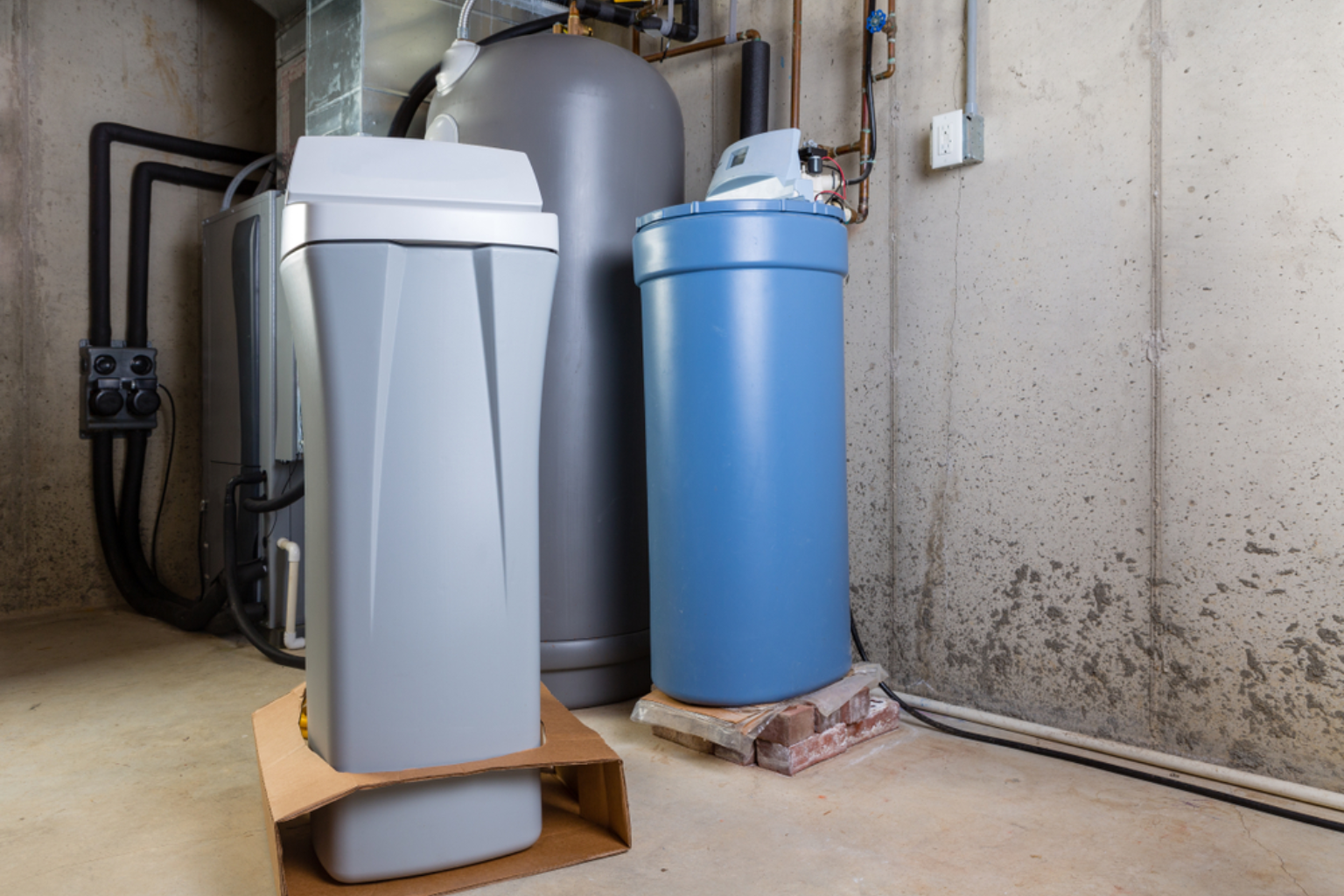
    Let’s face it—most of us don’t spend our Saturdays thinking about what goes inside the brine tank of a water softener. But if you’re the proud owner of one, or you’re just trying to figure out how to deal with relentless hard water, there’s a quiet yet significant decision waiting for you at your local hardware store: potassium or salt?

    It might sound like a toss-up. Both do the job. Both soften water. Both come in those heavy bags you awkwardly wrestle into your cart. But here’s the thing—your choice affects not just your water but your health, your landscaping, your appliances, and even your wallet.

    Let’s dive into the real-world differences between water softener potassium vs salt. potassium vs salt for water softener systems. Spoiler alert: there’s no one-size-fits-all answer. But there’s definitely one that’s right for you.


    Why Do We Soften Water Anyway?

    Before we compare these two heavy-hitters, let’s rewind for a second.

    Hard water is water loaded with calcium and magnesium. While these minerals aren’t harmful to drink, they are a menace to plumbing, water heaters, dishes, laundry, and even your skin and hair. It makes soap less effective, leaves residue everywhere, and slowly wears down your home’s infrastructure.

    Water softeners combat that through ion exchange. They pull out the hard minerals and swap them for either sodium (from salt) or potassium ions. So far, so good. But what you swap in makes all the difference.


    Team Salt (Sodium Chloride): The Classic Workhorse

    Sodium chloride has been the default softening solution for decades. It’s affordable, easy to find, and gets the job done—especially in areas with extremely hard water.

    What’s great about using salt:

    • Budget-friendly. Salt is generally cheaper than potassium—sometimes by as much as 60–75%.
    • Efficient softening. Sodium is effective at replacing calcium and magnesium in the ion exchange process.
    • Longer-lasting. Softener systems using salt usually require less frequent regeneration, saving water and energy.

    Downsides? Well, the sodium itself. While it’s added in very small amounts, people on low-sodium diets or those who just prefer the cleanest drinking water might prefer to avoid it. And environmentally? Salt-based discharge isn’t exactly friendly to gardens or septic systems.


    Team Potassium (Potassium Chloride): The Greener Contender

    Potassium chloride is sort of the younger, more health-conscious sibling of sodium chloride. It does the same job but swaps sodium for potassium—a nutrient your body actually needs in moderation.

    Why some households go potassium:

    • No added sodium. Better for those on salt-restricted diets or anyone watching their sodium intake.
    • Plant-safe discharge. Potassium is beneficial for soil, which is a huge win if you’re watering a lawn or garden with softened water.
    • Peace of mind. Many people just feel better using something that sounds healthier.

    But it comes at a cost—literally. Potassium is significantly more expensive, and it’s slightly less efficient at softening. That means your softener might regenerate more often, using more water and power in the process.


    So… What Should You Pick?

    The decision often comes down to priorities. Are you aiming to stretch your dollars? Is health a top concern? Are you trying to reduce your environmental footprint? Let’s break it down a bit more:

    • Choose salt if…
      • You have very hard water and want a cost-effective solution.
      • You don’t have dietary sodium restrictions.
      • Your home’s plumbing and irrigation systems don’t route softened water to outdoor use.
    • Choose potassium if…
      • You want to avoid adding sodium to your drinking water.
      • You water a lot of plants or landscape with softened water.
      • You’re willing to pay a little more for health or sustainability reasons.

    Some homeowners even alternate—using salt most of the year and switching to potassium during the spring and summer gardening season. A little mix-and-match can help balance cost with environmental care.


    Switching Between Salt and Potassium? Read This First.

    If you’re thinking of switching products, do it smartly. Never mix the two in the tank. Clean it out completely first. Otherwise, you risk clumping and reduced softener performance.

    Also, if you’re switching to potassium, monitor your system for a few weeks. You might need to tweak the regeneration schedule slightly to account for its lower efficiency.


    A Final Word on Water That Works for You

    Water softening is one of those behind-the-scenes household heroes. You don’t see it working, but you feel it every day—in the way your water tastes, how your skin feels after a shower, and whether your dishwasher leaves glasses sparkling or spotted.

    So even if it seems like a small decision—choosing between potassium or salt—it actually says a lot about how you live. About what matters to you. About how you take care of your home, your health, and the world just outside your door.

    When it comes to water softener potassium vs salt. potassium vs salt for water softener, both options will leave you with soft water. The only difference is how you want to get there.

    And now that you’ve got the facts? You’re ready to make that call—not just for your brine tank, but for your entire home.

  • When It’s Time to Sell, Merge, or Grow—You Need Advisors Who Actually Get It

    When It’s Time to Sell, Merge, or Grow—You Need Advisors Who Actually Get It

    There’s something uniquely intense about deciding the fate of a business you’ve spent years building. Maybe you’re thinking about selling, merging, or acquiring to expand. Maybe you’re just trying to figure out your options while the market’s hot. Whatever the case, one thing’s for sure—these decisions aren’t ones you want to navigate solo.

    Enter the world of M&A advisory. And not just any firm, but one that’s earned its stripes where it counts: on the ground, with real businesses, in real deals. IAG M&A Advisors is one name that’s been quietly making a big impact, especially for entrepreneurs and business owners across the Dallas-Fort Worth (DFW) area.

    So let’s talk about what makes them stand out—and why, if you’re in North Texas and facing a pivotal business decision, they might just be the guide you didn’t know you needed.


    M&A in the Real World: It’s Not Just for Wall Street Giants

    Let’s be honest. The whole idea of mergers and acquisitions can feel kind of… abstract. It’s easy to think it only applies to billion-dollar buyouts or publicly traded companies.

    But here’s the truth: some of the most important, life-changing deals are happening in small boardrooms, not big skyscrapers. They involve family-owned businesses, legacy brands, niche service companies, and passionate founders who’ve hit a crossroads.

    That’s where firms like IAG come in. They’re not chasing flashy headlines—they’re working with real owners who’ve built something worth selling or growing.

    And that matters, especially when you’re looking at m&a advisory firms dfw. The Dallas-Fort Worth market isn’t just booming—it’s evolving. Mid-market companies are everywhere. And so is opportunity.


    Why IAG? Because They Speak “Business Owner”

    One of the most frustrating things about working with advisors—whether they’re financial, legal, or strategic—is that some of them speak in jargon. They come from big banking backgrounds, and sure, they know the numbers, but they don’t always get the person behind the business.

    IAG M&A Advisors flips that narrative.

    They understand that when you’re selling your company, it’s not just about EBITDA and net margins. It’s about your team. Your reputation. The nights you stayed up worrying about payroll. The relationships you’ve built over a decade or two (or three).

    They take that seriously. And it shows in the way they listen, plan, and negotiate on behalf of their clients.


    No Cookie-Cutter Deals—Just Smart Strategy

    One thing that sets IAG apart? They don’t walk in with a one-size-fits-all playbook. Every deal is different. Every client’s goals are different. Some want top dollar and a clean break. Others want to stay involved, or find a buyer who’ll preserve the culture they’ve built.

    IAG’s approach is tailored, detailed, and strategic. They don’t just list your business and hope someone bites. They build a case for why your company is valuable. They find the right buyers. They manage the process so you can keep running your business while the wheels turn behind the scenes.

    And when things get complicated (because, let’s face it, they usually do), they know how to problem-solve and keep things moving.


    What They Do (Besides Just “Sell Businesses”)

    Yes, IAG is best known for helping business owners exit successfully—but their value goes beyond the finish line.

    They provide:

    • Valuation insights that help owners understand what their company’s really worth—and what they can do to increase that value.
    • Market positioning that makes a business attractive to strategic buyers, not just financial ones.
    • Buyer screening so you’re not wasting time with dreamers or lowballers.
    • Deal structuring that balances cash up front, earn-outs, retention bonuses, and tax strategies.
    • Negotiation support that keeps emotions in check and value on the table.

    It’s not just transactional. It’s transformational.


    The DFW Advantage—and Why Local Matters

    You can hire a big national firm. Sure. But when you’re in a region as unique as Dallas-Fort Worth, local knowledge isn’t optional—it’s critical.

    DFW is a hotbed of mid-market activity. Tech, energy, logistics, health services—there’s a mix of industries here that you won’t find in many places. And with that comes its own set of dynamics, personalities, and timing.

    Firms like IAG have the local edge. They know the buyers who are active. They know what deals are getting done. And they know how to speak the language of business in North Texas.

    That’s something you don’t get from an out-of-state advisor who’s never set foot on Belt Line or Preston Road.


    Thinking About Selling? Start the Conversation—Even If You’re Not “Ready”

    Here’s something most business owners don’t hear enough: you don’t need to wait until you’re ready to sell to start talking to an advisor.

    In fact, the earlier you start, the better the outcome. IAG regularly works with business owners 6–18 months before a sale. Why? Because it gives them time to prep. To fix what’s broken. To highlight what’s working. And to make the business look as strong and attractive as it really is.

    Even if you’re just curious, a conversation can give you clarity.


    Final Thought: Your Business Deserves a Strong Finish

    You’ve built something from scratch. You’ve put in the hours, taken the risks, and made the tough calls. When it’s time to move on, you owe it to yourself—and your legacy—to get the exit you deserve.

    That means working with people who care, who understand, and who know how to deliver.

    If you’re in DFW and looking for a partner to guide you through your next chapter, take a look at what IAG M&A Advisors and other top-tier local firms are doing. You might be surprised how much better the process feels when you’ve got the right people on your side.

  • Beyond the Hype: A Real Talk About Alkaline Water and What It Actually Does

    Beyond the Hype: A Real Talk About Alkaline Water and What It Actually Does

    You’ve probably seen it lining the shelves of your local grocery store—sleek bottles with cool fonts promising to hydrate, detoxify, and balance your body’s pH like it’s some kind of magical elixir. Yep, we’re talking about alkaline water.

    But let’s get one thing straight: this isn’t another trendy wellness gimmick we’re blindly praising. We’re going to unpack it—honestly, thoughtfully, like you’re chatting with a curious friend over coffee (or, in this case, water).

    Because let’s face it—between the influencers, the fitness junkies, and the claims flying around the internet, it’s tough to know what’s fact, what’s fluff, and what’s flat-out marketing fiction.

    Okay, So What Is Alkaline Water?

    Let’s start at the beginning. Regular water has a neutral pH of 7. Alkaline water? It usually measures somewhere between 8 and 9 on the pH scale. That slight increase in alkalinity means it’s a little less acidic. This happens either naturally—when water picks up minerals from rocks—or artificially, thanks to ionizing machines that zap it into its “healthier” state.

    People drink it thinking it’ll balance their body’s pH, help with acid reflux, slow aging, boost hydration, or even fight off chronic diseases. Sounds like a tall glass of miracle, right?

    But here’s where it gets interesting.

    Is There Any Science Behind the Splash?

    Well… sort of. Some studies suggest alkaline water may help with specific conditions, like reducing acid reflux symptoms or supporting hydration in athletes. There’s a small pool of research hinting that higher-pH water might help neutralize acid in the bloodstream—but emphasis on “small pool.”

    Most medical professionals agree: your body already does a pretty fantastic job of regulating its pH all on its own, thank you very much. Your kidneys and lungs are constantly working to keep things in check, whether you’re sipping espresso or guzzling spring water.

    So, is alkaline water good for you? Here’s the nuanced answer: it can be. If you’re dealing with acid reflux or dehydration from high-performance activity, sure—alkaline water might offer some benefits. But for the average person just living their life and staying reasonably hydrated? You’re not missing out on a miracle cure.

    So Why Are People Obsessed?

    Honestly? It’s a mix of solid marketing and that never-ending desire to “optimize” our health. Alkaline water taps into our need for control—like, hey, if I drink this special water, maybe I’ll feel a little better, live a little longer, look a little younger. We’ve all been there.

    And to be fair, some folks do feel better when they switch to alkaline water. Whether it’s the actual chemistry or just the placebo effect doing its thing—does it really matter if it helps you feel good and drink more water?

    Also, let’s not ignore the vibe factor. Those bottles look slick. They’re often chilled. They whisper, “I’ve got my life together.” Even if deep down, you just wanted something cold after yoga.

    Risks? They’re Real—But Rare

    For most healthy people, alkaline water won’t do harm. But (and there’s always a but), going overboard could potentially mess with your natural stomach acid, especially if you drink excessive amounts daily. In rare cases, it might lower stomach acidity too much, affecting digestion or nutrient absorption.

    Plus, not all alkaline waters are created equal. Some are just filtered and hit with additives or baking soda to raise the pH. If you’re serious about it, do a little label reading—or better yet, get a machine that lets you control the ionization process.

    To Drink or Not to Drink?

    Here’s the honest verdict: you don’t need alkaline water. But if you enjoy the taste, feel more hydrated, or just like the idea of adding a little “extra” to your daily hydration routine, go for it. Just don’t expect it to turn you into a superhuman or reverse aging overnight.

    Also, remember: no kind of water (alkaline or otherwise) is going to cancel out a junk-food-heavy diet or poor sleep habits. Water helps, yes. But it’s not a one-stop-shop for health.

    A Personal Choice, Not a Prescription

    There’s something empowering about making small tweaks that make you feel better—drinking more water, choosing clean ingredients, sleeping a bit earlier. Alkaline water fits into that category. It’s a choice, not a necessity.

    If it inspires you to ditch sugary drinks, stay hydrated, or start paying more attention to your health, awesome. If it feels like just another wellness trend clogging up your feed? That’s cool too. Regular filtered water works just fine—and for most people, it’s all you need.

    So next time someone asks, what is alkaline water, now you’ve got an answer that’s more than just buzzwords and bold claims. You’ve got context. Perspective. And maybe even a fresh perspective on what health trends are really worth sipping on.

    Drink what makes you feel good. Stay curious. And don’t believe everything you read on the bottle.

  • Behind the Scenes of Healthcare: The Unsung Role of Long-Term Care Pharmacy Services

    Behind the Scenes of Healthcare: The Unsung Role of Long-Term Care Pharmacy Services

    Let’s be honest — when most people think of a pharmacy, they imagine standing in line at a big chain, eyeing impulse buys while a tired tech bags up a prescription. In and out. No frills. No small talk. And usually, no real sense of connection. That’s fine for a quick antibiotic or allergy med. But for the people living in nursing homes, assisted living facilities, or specialized group homes? That version of pharmacy just doesn’t cut it.

    That’s where long-term care pharmacy services come in. Or as the professionals call it: LTC pharmacy. Behind the curtain of day-to-day care, there’s a whole world of pharmacists, consultants, and medication technicians quietly working to make sure residents get the right meds, at the right time, in the safest way possible. No spotlight. No applause. But absolutely essential.

    And one of the names that’s popped up again and again in this space? Pharmcare.

    Pharmcare services are designed specifically for long-term care. That means their teams aren’t juggling customers with shopping carts or pushing vaccine appointments while counting pills. They’re laser-focused on the complex needs of patients who depend on daily medication management. And that makes all the difference.

    Think about what it means to take ten different medications a day. Now multiply that across an entire facility. Every resident has different allergies, dosages, timing schedules, and doctor updates. That’s not just a spreadsheet problem — it’s a human safety issue. One misplaced pill or one overlooked chart note can cause a serious event.

    Pharmcare steps in with systems and staff that are trained for this exact chaos.

    We’re talking personalized packaging that actually makes sense during med pass. Clear labeling. Refill coordination. Real-time updates when a doctor changes a script. They don’t just drop off a box of bottles — they create a process that works for caregivers, nurses, and residents alike. One that reduces the risk of human error without adding more stress to an already overworked team.

    And they show up. That’s maybe the biggest differentiator. When something goes wrong (and in long-term care, something always goes a little sideways), Pharmcare doesn’t ghost you or shuffle you through three departments. They get involved. They troubleshoot. They help fix it — fast.

    One nurse I spoke with from a skilled nursing facility said it best: “It’s not just about getting the meds here on time. It’s that I can call them and say, ‘Something’s not right,’ and they actually listen. They actually care.”

    It sounds simple. But it’s rare. And deeply needed.

    Pharmcare also employs consultant pharmacists — professionals who review charts, evaluate drug interactions, flag risky combos, and work with staff to ensure residents aren’t being overmedicated or stuck on prescriptions that no longer make sense. It’s an extra set of trained eyes. A safety net. And honestly, a comfort.

    Beyond that, their services usually plug into the facility’s electronic medication administration record (eMAR) system. That means real-time updates, accurate reporting, and one less excuse for communication breakdowns. Is it perfect? Of course not. But it’s way more efficient than the post-it-note-and-hope method some facilities end up defaulting to when they’re stretched too thin.

    The term ltc pharmacy services might sound clinical, but the impact is intensely human. It’s about the 86-year-old woman whose Parkinson’s meds arrive correctly packed, so she doesn’t miss a dose. It’s about the caregiver who doesn’t have to panic on a Saturday because the refill came through on time. It’s about families who can breathe just a little easier knowing someone is double-checking things behind the scenes.

    And this is where Pharmcare shines. They don’t make noise. They don’t make promises they can’t keep. They just handle the details — the deeply unsexy, absolutely critical details — that keep long-term care facilities running.

    There’s a quiet professionalism to it. A kind of integrity that shows up in small ways: correctly printed MAR sheets, after-hours support, respectful communication, and delivery drivers who know the front desk staff by name. You can’t automate that kind of connection.

    Let’s be real — long-term care is one of the toughest corners of healthcare. High demands. Tight staffing. Constant change. The pharmacy piece is just one slice of the pie, but if it’s off? Everything’s off. That’s why having a partner — not just a vendor — matters so much.

    If you’ve been in this world long enough, you stop being impressed by buzzwords and logos. You start asking better questions: Do they follow through? Do they make life easier or harder? Do they make the job safer?

    And in that context, pharmcare services speak for themselves.

    So whether you’re a facility administrator trying to get meds sorted more efficiently, a nurse juggling five tasks at once, or a family member trying to understand what “pharmacy care” really looks like in a place your loved one now calls home — know this: there are people doing the quiet, crucial work right.

    And sometimes, they’re just called Pharmcare.

  • Where You Work Matters: Why Thoughtful Office Design Is the Productivity Upgrade You Didn’t Know You Needed

    Where You Work Matters: Why Thoughtful Office Design Is the Productivity Upgrade You Didn’t Know You Needed

    Let’s be honest—when was the last time you looked around your office and thought, wow, this space really inspires me? If the answer is “never” or “not lately,” you’re definitely not alone. Whether you’re working from a high-rise downtown, a coworking space, or a corner in your basement, the way your workspace feels impacts how you show up every single day.

    Because an office isn’t just a place to clock in and out. It’s a space that holds ideas, meetings, deadlines, breakthroughs (and maybe the occasional mid-day existential crisis). So why do so many workplaces still look like beige boxes with bad lighting?

    This is where good office design steps in—and not just the Pinterest-worthy kind. I’m talking about the real, human-centered kind that boosts energy, fosters creativity, and actually makes people want to be there.


    Beyond Cubicles and Coffee Stations

    The days of gray carpet tiles and fluorescent buzz are (thankfully) behind us. Today’s offices are evolving—and for good reason. We’re no longer designing spaces just for efficiency. We’re designing for well-being, for collaboration, for culture.

    Whether you run a fast-paced startup or a law firm that’s been around for decades, your physical space tells a story. It says something about your brand, your values, and how much you care about the people who work there.

    Ever walked into an office with warm lighting, soft acoustics, functional work zones, and plants that weren’t just clinging to life? You felt it, didn’t you? That’s the power of thoughtful design.


    Productivity Starts With Comfort

    Here’s a truth we don’t talk about enough: people can’t do their best work if they’re physically uncomfortable or visually overstimulated. A poorly designed office causes more than backaches. It contributes to distraction, stress, and even burnout.

    Designing with intention—whether that’s ergonomic chairs, better natural light, or giving people options for how and where they work—can change the game. Think cozy breakout lounges, adjustable standing desks, quiet focus pods, or communal tables where ideas just flow more freely.

    It’s not just about what looks good. It’s about what works for your team.


    What a Great Office Designer Actually Does

    So, what happens when you bring in a pro?

    A true office designer isn’t just someone with a flair for fabrics or trendy furniture. They’re problem-solvers. Psychologists of space, if you will. They look at your workflow, your company culture, your growth plans—and then they translate all of that into design choices.

    That means considering acoustics in open-concept layouts. It means storage solutions that actually reduce clutter. It means knowing that the color of the walls in a meeting room can affect how people communicate (yep, science backs that up).

    And if you’re anything like most business owners, you’ve probably Googled office interior design services at least once during a late-night planning session. Maybe you’re renovating, maybe expanding, or maybe just starting fresh. Either way, getting support from professionals saves you time, money, and those “we really should’ve thought that through” moments down the line.


    Finding the Right Fit

    If you’ve typed “office designers near me” into a search bar recently, you’re already on the right path. But don’t just go with the first slick website you land on.

    Start by asking questions. Do they specialize in commercial interiors? Have they worked with companies like yours? Can they balance aesthetics with function, and make the process feel collaborative instead of overwhelming?

    Look for someone who doesn’t just offer a catalog of ideas, but instead listens—to your team, your challenges, and your goals.

    The best office designers aren’t about pushing a certain look. They’re about creating a space that feels right—for you, your people, and the way you work.


    Small Tweaks, Big Wins

    Not ready for a full redesign? That’s totally okay. You’d be surprised what a few smart updates can do.

    New lighting can reduce fatigue. Rearranging furniture can create better flow. Bringing in plants or art can completely shift the mood of a space.

    And then there’s color. Certain shades encourage focus. Others support calm. It’s not just design fluff—it’s psychology. And when you use it intentionally, the results are real.

    Sometimes, working with office interior designers near me doesn’t mean tearing everything down. Sometimes, it means making what you already have work better.


    It’s About People, Not Just Space

    At the end of the day, the best-designed offices aren’t about Instagram aesthetics or the latest design trend. They’re about the people who use them. About giving your team the kind of environment that supports their focus, sparks their creativity, and actually makes them feel valued.

    Whether it’s a sleek corporate headquarters or a small neighborhood studio, every workspace has the potential to be something more than just functional. It can be welcoming. Inspiring. Even joyful.

    And honestly? That’s worth investing in.


    Final Thought: Make Room for What Matters

    The world of work has changed—and our spaces need to catch up. We’re craving more than desks and dividers. We want flexibility, flow, and a place that actually supports the kind of work (and life) we’re trying to build.

    So whether you’re starting from scratch, renovating your current space, or simply dreaming of something better, don’t underestimate the impact of good design.

    Because when you walk into a space that’s been designed with intention, you feel it in your bones. And when your team feels good in their environment, the work speaks for itself.So yeah, maybe it’s time to stop asking if design matters—and start asking which office interior design services can help bring your vision to life.

  • Home Moving Tips for a Stress-Free Relocation

    Home Moving Tips for a Stress-Free Relocation

    The moving process itself can be overwhelming if you don’t have everything organized. From packing up your entire home to coordinating the logistics, it takes time, planning, and patience to ensure everything goes smoothly. If you plan everything efficiently, it can make moving a much easier experience, such as organizing well in advance, hiring professionals, and disposing of junk. 

    Here, we have compiled some tips and hacks to help you make your move hassle-free.

    Plan Ahead for Home Moving 

    A successful move is all about planning. Make a plan early enough to avoid the panic and stress of last-minute moves. If you set the date of your move early and work backwards from that date, you can generate a checklist of clear tasks that need to be done.
    From ordering packing supplies to booking the relocation of your home, planning gives you a great sense of control. Once you have chosen a date to move, book professional home moving services, as it ensures your peace of mind.
    Planning helps you stay organized from day 1 and hopefully reduces unnecessary pressure.

    Declutter and Organize

    Relocation is a wonderful time to assess your possessions. Before you start packing, take the time to declutter each space in your home by removing items that you no longer use or need. Anything that does not serve a purpose at your new home, either donate, sell, or recycle. This will not only remove unnecessary possessions, but it save you time for packing and money. Pack similar items together for ease of unpacking. Having boxes packed in an organized manner makes it easier and quicker to settle into your new space.

    Hire Expert Movers

    Hiring professional movers can relieve a lot of the stress associated with moving. Expert movers quickly and expertly deal with large items, breakable items, and logistics that might be a total mess by yourself. Start by searching for companies to move household goods that have good reviews and are licensed. A good moving company:

    • Ensure time management
    • Bring appropriate equipment
    • Provides insurance 

    Pack Smartly

    Smart packing can determine your success or failure in the moving process. Invest in quality:

    • Boxes 
    • Bubble wrap 
    • Packing tape

    Start packing early, beginning with items you rarely use or seasonal items. To make sure your belongings are safe from damage, don’t overstuff the boxes. Packing things efficiently not only protects your belongings but also ensures a smoother process when you put everything back together.

    Submit Your Change of Address Documents

    Changing your address is an essential step many people overlook until it’s too late. Let the post office, banks, and utility companies know you’re moving as soon as you can, or you will find yourself missing bills and interrupted services. Check your state rules for updating your driver’s license and registering your vehicle to ensure you have enough time to change it before the deadlines.
    Let your insurance companies know you’re moving to maintain coverage. If you’re moving within a municipality or city limits, you may also require permits or reserved parking, so check the city ordinances. 

  • 5 Hospitality Tech Products That Are Changing the Game

    5 Hospitality Tech Products That Are Changing the Game

    Hospitality technology product spending and investment is accelerating as owners look for ways to offset staffing shortages, lift revenue and meet guests’ demand for instant, mobile-first service. Analysts expect the global “smart hospitality” market to more than double to $74.9 billion by 2029, powered by AI, IoT and automation. The five launches below show how that investment is turning into concrete products hoteliers can deploy right now.

    Always-on voice agents.
    In February, Canary Technologies introduced AI Voice, an end-to-end platform that fields front-desk, concierge and reservations calls with generative-AI assistants. Canary says hotels miss up to 40 percent of phone enquiries; AI Voice captures those bookings, furnishes instant answers in multiple languages and frees human agents for high-value conversations.

    Unified guest-experience hub.
    INTELITY’s new GEMS 2.0 elevates its mobile apps and in-room tablets with an AI layer that stitches together every digital touch-point, from pre-arrival messaging to mobile keys, on a single dashboard. By consolidating data, luxury properties can trigger personalized upsells in real time and let staff monitor service requests at a glance, boosting both ancillary revenue and guest satisfaction.

    Autonomous housekeeping muscle.
    Launched on 2 April, LG’s commercial robotic vacuum cleaner, developed with the Marriott Design Lab, navigates hallways with LiDAR and vision-fusion SLAM to create a custom map of each floor. The bot runs unattended during off-peak hours, allowing lean housekeeping teams to maintain consistent cleanliness standards while cutting labour costs and back-of-house noise.

    AI-driven revenue control.
    Economy brand Red Roof is rolling out HotelIQ Decision Cloud, an AI revenue-management platform that analyses performance metrics and competitors’ rates, then pushes price recommendations, or fully automated overrides, to franchisees. Early adopters report faster, data-backed decisions and improved profit margins thanks to predictive pricing models and collaborative dashboards.

    Next-generation forecasting.
    Finally, Cloudbeds is previewing Cloudbeds Intelligence, due later in 2025. The module layers causal-AI algorithms onto PMS and market data to forecast demand shifts, recommend rate moves and even flag when to hold rooms back for late-booking surges. By unifying forward-looking signals with historical trends, Cloudbeds expects hoteliers to lift occupancy and Revenue Per Available Room (RevPAR) without the complexity of a stand-alone RMS.

    Together, these products illustrate a clear direction for hospitality tech: automate routine work, surface real-time insight and hand guests more control, all while protecting the bottom line.