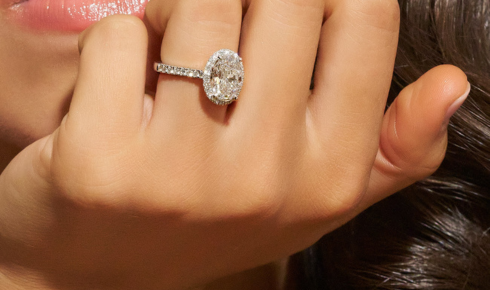
When it comes to expressing love, the perfect piece of jewelry can speak volumes without saying a word. Choosing jewelry that truly reflects your personality and style adds a unique and intimate touch to your expression of affection. An oval ring, for example, embodies elegance and individuality, making it an exceptional choice for those who want their jewelry to feel as distinctive as their love story. The soft curves and timeless shape of an oval ring can complement a variety of styles, making it a versatile and meaningful symbol of commitment or admiration.
Jewelry has long been a way to celebrate special moments and emotions, but the key to making it resonate lies in how personal and reflective it is. A piece that aligns with your essence not only enhances its beauty but also deepens its emotional significance. Whether it’s a gift for someone dear or a treat to yourself, jewelry that feels like an extension of your identity carries a powerful message of connection and authenticity. This is why many choose designs that incorporate elements of their personality—be it through gemstone choice, metal type, or the overall design aesthetic.
Oval rings have gained popularity because they offer a distinctive twist on classic shapes. Their elongated silhouette can flatter the fingers, giving a sense of grace and sophistication. More than just a stylish accessory, an oval ring can symbolize the wearer’s unique journey and style. The shape also allows for creative settings and arrangements of stones, enabling a custom or bespoke feel that perfectly suits individual tastes. Whether set with diamonds, sapphires, or other precious stones, the oval design carries an aura of elegance while remaining fresh and modern.
In addition to the shape, the way jewelry is crafted can add layers of meaning to the expression of love. Artisans who pay attention to detail and personalization often incorporate subtle touches that make the piece truly one-of-a-kind. Engravings, mixed metals, or unconventional stone settings can transform jewelry into a narrative of shared memories and values. This careful consideration ensures that the jewelry not only looks beautiful but also resonates emotionally, making the wearer feel genuinely connected to it.
Choosing jewelry that feels like you also means considering comfort and wearability. A piece that is cherished will be worn often, becoming part of everyday life and personal rituals. Jewelry that balances aesthetics with practicality invites the wearer to celebrate their love and self-expression daily. For example, an oval ring’s smooth contours and classic design make it comfortable for everyday wear while still standing out as a statement piece. This harmony between function and form is essential when selecting jewelry meant to convey deep emotion.Visit our blog for more Yearly Magazine.
Beyond personal expression, jewelry that reflects individuality can also inspire meaningful conversations and connections. When someone notices a piece that clearly mirrors your style or story, it can open doors to sharing experiences and emotions. Jewelry becomes more than decoration; it becomes a bridge between people, connecting hearts through shared appreciation and stories. This is the true beauty of choosing pieces that feel like you—whether it’s an oval ring or any other design, the jewelry embodies the love and identity you want to share with the world.
In conclusion, expressing love with jewelry that feels like you transforms a simple gift into a profound statement. An oval ring is a perfect example of how classic design and personal touch come together to create something timeless and deeply meaningful. By selecting jewelry that reflects your personality, values, and style, you communicate your love in the most authentic and memorable way. This thoughtful approach ensures that every glance at the piece will remind both giver and receiver of the unique bond they share.
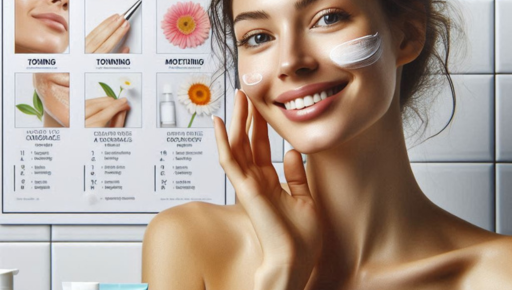
In the world of skincare, hydration is key to maintaining healthy, radiant skin. Two popular products for achieving this goal are hydrating creams and serums. While both are designed to provide moisture, their formulations, purposes, and applications differ. Understanding these differences can help you determine which product is best suited for your skin’s needs—or if you might benefit from using both. Here’s a detailed comparison of hydrating creams and serums to help you make an informed choice.
What Are Hydrating Creams?
Hydrating creams are rich, emollient products designed to moisturize and protect the skin’s barrier. They work by sealing in moisture and providing a protective layer to prevent water loss.
Key Features:
Thicker Texture: Creams have a denser consistency, making them ideal for dry or mature skin.
Barrier Support: They lock in hydration and protect against environmental aggressors.
Multi-Purpose: Many creams contain additional ingredients like SPF, anti-aging agents, or soothing compounds.
Best For:
Dry or dehydrated skin.
Nighttime use to replenish moisture overnight.
Protecting the skin during colder months or in dry climates.
What Are Hydrating Serums?
Hydrating serums are lightweight, fast-absorbing products that deliver concentrated active ingredients directly into the skin. They are designed to penetrate deeper layers of the skin compared to creams.
Key Features:
Lightweight Formula: Serums are water-based or gel-like, making them suitable for all skin types, including oily and combination skin.
High Concentration of Actives: Typically enriched with ingredients like hyaluronic acid, glycerin, and peptides.
Layering-Friendly: Easily fits into multi-step skincare routines without feeling heavy.
Best For:
Oily or combination skin.
Morning routines as a base layer under sunscreen and makeup.
Boosting hydration in specific areas or addressing targeted concerns.
Hydrating Creams vs. Serums: Key DifferencesShould You Use Both?
The good news is that hydrating creams and serums aren’t mutually exclusive. In fact, they complement each other beautifully when used together. Here’s how:
Layering:
Apply the serum first to allow its active ingredients to penetrate deeply.
Follow with a cream to lock in the serum and provide a protective barrier.
Day vs. Night:
Use a lightweight serum during the day under sunscreen and makeup.
Opt for a rich cream at night to support skin repair and hydration.
Seasonal Adjustments:
During summer, a serum may suffice for hydration.
In winter, pair your serum with a cream for extra protection.
Choosing the Right Product for Your Skin Type
Dry Skin:
Use both a hydrating serum and cream to combat dryness and lock in moisture.
Oily Skin:
Stick to a hydrating serum for lightweight, non-greasy hydration.
Combination Skin:
Apply a serum all over and a cream on drier areas like cheeks or forehead.
Sensitive Skin:
Look for fragrance-free options with soothing ingredients like ceramides and aloe vera in both serums and creams.
Found in both serums and creams, it attracts water to the skin for deep hydration.
Ceramides:
Common in creams, they strengthen the skin’s natural barrier.
Glycerin:
A humectant present in serums and creams that draws moisture into the skin.
Niacinamide:
Found in lightweight serums, it soothes and hydrates while addressing uneven tone.
Both hydrating creams and serums offer unique benefits that cater to different skin types and needs. Serums provide a targeted approach to hydration, while creams offer long-lasting moisture and protection. For optimal results, consider incorporating both into your skincare routine, adjusting based on your skin’s specific requirements and environmental factors. With the right combination, you can achieve hydrated, healthy, and glowing skin all year round. Use quality cosmetics and women’s shoes and perfumes.
Retinol is a powerhouse ingredient in the world of skincare, celebrated for its anti-aging and skin-renewing properties. Derived from vitamin A, it can help reduce fine lines, improve skin texture, and minimize hyperpigmentation. However, using retinol effectively requires care and understanding to avoid irritation and maximize its benefits. Here are the best practices for incorporating retinol into your skincare routine.
Start Slow
If you’re new to retinol, it’s essential to introduce it gradually to your routine. Begin by using it once or twice a week and monitor your skin’s reaction. Over time, as your skin builds tolerance, you can increase the frequency to every other night or even nightly.
Choose the Right Strength
Retinol products come in various strengths, typically ranging from 0.01% to 1%. For beginners, it’s best to start with a lower concentration to minimize the risk of irritation. Once your skin adapts, you can consider moving to a higher strength if needed.
Apply at Night
Retinol is sensitive to sunlight and can degrade when exposed to UV rays, reducing its effectiveness. Use it as part of your nighttime skincare routine to ensure maximum potency and avoid photosensitivity.
Use a Pea-Sized Amount
A little retinol goes a long way. Apply a pea-sized amount to your entire face, avoiding sensitive areas like the corners of the eyes, nostrils, and mouth. Spread it evenly to ensure full coverage without overloading the skin.
Follow with Moisturizer
Retinol can be drying, so it’s important to keep your skin hydrated. Apply a rich, soothing moisturizer after retinol to lock in hydration and minimize potential irritation. For very sensitive skin, you can use the “sandwich method”: apply a layer of moisturizer before and after retinol.
Always Use Sunscreen
Retinol increases your skin’s sensitivity to the sun, making sunscreen non-negotiable. Apply a broad-spectrum sunscreen with at least SPF 30 every morning to protect your skin from UV damage and prevent further signs of aging.
Avoid Combining with Certain Ingredients
Some active ingredients can clash with retinol, leading to increased irritation. Avoid using products containing:
AHAs or BHAs (like glycolic acid or salicylic acid)
Benzoyl peroxide
Vitamin C (use it in your morning routine instead)
Instead, focus on pairing retinol with calming and hydrating ingredients like hyaluronic acid, niacinamide, and ceramides.
Be Patient
Retinol’s benefits don’t appear overnight. It can take several weeks to months of consistent use to see significant improvements in your skin’s texture and tone. Stick with it, and be patient as your skin adjusts.
Know When to Pause
If you experience redness, peeling, or irritation, take a break from retinol for a few days and focus on hydrating and soothing your skin. If irritation persists, consider consulting a dermatologist.
Consult a Dermatologist
For individuals with specific skin concerns like severe acne or sensitive skin conditions, it’s best to consult a dermatologist. They can recommend the appropriate retinol formulation and guide you on how to use it safely.
Incorporate Retinol into a Balanced Routine
To maximize the benefits of retinol, pair it with a well-rounded skincare routine:
Cleanser: Use a gentle, non-stripping cleanser to prep your skin.
Hydrating Serum: Apply a serum with hyaluronic acid or glycerin to maintain hydration.
Retinol: Use a pea-sized amount on clean, dry skin.
Moisturizer: Seal in hydration with a nourishing moisturizer.
Sunscreen (AM): Never skip sunscreen during the day.
Retinol is a transformative ingredient that can rejuvenate your skin when used correctly. By starting slow, choosing the right product, and following these best practices, you can incorporate retinol into your skincare routine effectively and safely. Remember, consistency is key, and with patience, your skin will thank you with a radiant, youthful glow. Use quality cosmetics and perfumes like Ana Abiyedh.
Struggling with open pores is common in skincare. But you can treat them at home. Homemade remedies can help you get rid of large pores and achieve smooth skin. Aloe vera and French green clay are great for this.
Adding these remedies to your daily routine can make your skin look better. They work for oily skin, acne, and more. With patience and effort, you can get healthy, balanced skin.
Key Takeaways
Homemade remedies for men’s skin can help reduce the appearance of open pores
Washing your face twice a day is recommended for oily skin
Home remedies can reduce symptoms of oily skin and acne without prescription drugs
Incorporating natural ingredients into your daily routine can lead to healthier, more balanced skin
Reducing stress and maintaining a consistent skincare routine can also help minimize open pores
Using products like Perricone MD Vitamin C Ester Photo-Brightening Moisturizer SPF 30 can increase skin’s moisturization levels
Understanding Open Pores in Men’s Skin
Exploring men’s skin care means learning about open pores. These pores can look bigger, mainly in oily areas like the T-zone and cheeks. Things that make pores look open include genetics, how much oil you produce, aging, sun damage, clogged pores, and your skin type.
Men usually have bigger pores than women. This is because testosterone makes more oil. To fight open pores, a good men’s skin care routine is key. This includes cleaning, exfoliating, and using serums. Good products for treating open pores are BHA-2% Salicylic Acid Face Cleanser and Niacinamide Vitamin B3-20% Serum.
Some main reasons for open pores are:
Genetics: Your genes decide how big your pores are.
Skin type: Oily skin has bigger pores; dry skin has smaller ones.
Hormonal changes: Testosterone makes pores bigger, and men have more of it.
Knowing why pores are open and using the right skin care can help. You can make your skin look healthier and more vibrant.
Causes of Open Pores
Men’s Skin Care Solutions
Genetics
Consistent skin care routine
Skin type
Use of suitable products (e.g., BHA-2% Salicylic Acid Face Cleanser)
Hormonal changes
Adoption of healthy lifestyle habits (e.g., regular exercise, balanced diet)
Common Triggers That Enlarge Your Pores
Knowing what makes pores bigger is key to healthy skin. Things like bad skin care, makeup, and the environment can make pores bigger. Genetic predisposition and hormonal changes also affect pores. By knowing these causes, you can stop them and keep pores small.
Some main causes of bigger pores are:
Too much oil
Pores losing elasticity
Thick hair follicles
Genetic factors
Less collagen from aging
Sun damage
To stop pores from getting bigger, use good skin care. This means exfoliating regularly, using non-comedogenic products, and wearing sunscreen with SPF 30 or higher every day. These steps help make pores less visible and keep your skin healthy and bright.
Also, eating foods with low glycemic index and using gentle cleansers can help. Remember, noninvasive cosmetic treatments like microdermabrasion and chemical peels can also help. By knowing what makes pores bigger and using good skin care, you can have healthy, glowing skin.
The Connection Between Skin Care Routine and Pore Size
A good skin care routine is key to small pores. It’s important to know how daily habits affect pores. A consistent routine keeps pores small and skin healthy.
Several factors are important in your skin care routine. Exfoliation unclogs pores and makes them less visible. Products with beta hydroxy acids or vitamin C can help too.
Here are daily habits to keep pores small:
Wash your face up to twice a day with lukewarm water and a gentle cleanser
Use a clay mask once or twice a week to remove excess oil
Apply sunscreen with at least SPF 30 to protect your skin
Choose light, water-based moisturizers to balance skin hydration and reduce oiliness
By following these tips and sticking to a routine, you can reduce pore size. Drinking water also improves skin and reduces large pores.
Skin Care Tip
Frequency
Benefits
Exfoliate
1-2 times a week
Unclog pores, reduce appearance
Use clay mask
1-2 times a week
Remove excess oil, reduce pore size
Apply sunscreen
Daily
Protect skin from sun exposure, prevent dryness
Best Homemade Remedies for Open Pores: Natural Solutions That Work
Dealing with open pores doesn’t mean you need to buy expensive products. There are many homemade remedies for open pores that work well. These natural solutions are simple to make and can be used at home.
Some top homemade remedies for open pores include apple cider vinegar, clay masks, and egg white masks. These methods can make pores look smaller and improve skin texture. For instance, a clay mask with jojoba oil can help reduce acne and pores.
Here are more natural solutions to try:
Using aloe vera to soothe and calm the skin
Exfoliating with a brown sugar scrub to remove dead skin cells
Applying a multani mitti mask to detoxify and purify the skin
Always pick natural solutions that fit your skin type and needs. With regular use, you can get healthier and brighter skin.
Apple Cider Vinegar and Clay Mask Treatment
Using apple cider vinegar and a clay mask can help shrink open pores. Apple cider vinegar tightens the skin. A clay mask pulls out dirt and blocks pores.
To make this mask, you need apple cider vinegar, clay powder, and water. You can add tea tree oil or essential oils for extra benefits.
Ingredients Required
2 tablespoons of clay powder
1 tablespoon of apple cider vinegar
1 tablespoon of water
Optional: tea tree oil or essential oils
Application Method
Mix clay powder and apple cider vinegar to make a paste. Add water to get the right consistency. Put the mask on your face, but not your eyes. Leave it on for 10-15 minutes. Then, rinse with warm water and dry your face.
Frequency of Use
Use this mask once or twice a week for the best results. It keeps pores clean and small. Always test new skincare products, like this mask, to avoid any bad reactions.
Ice Therapy and Cold Compress Solutions
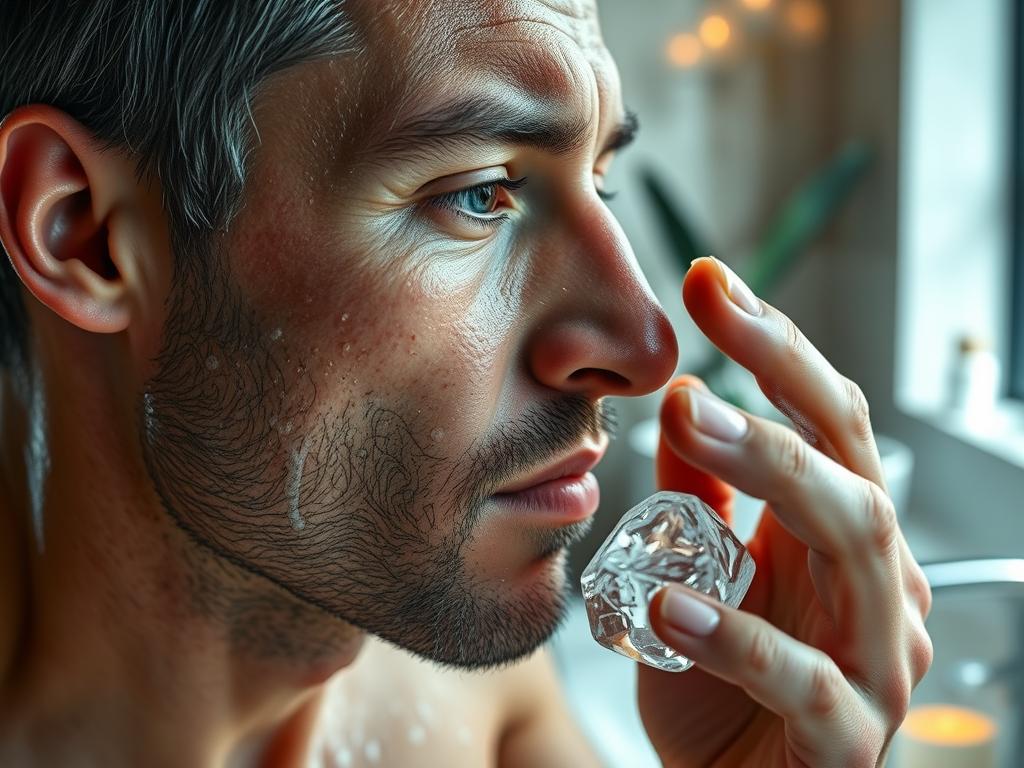
Using ice therapy and cold compresses can help make open pores less noticeable. Try wrapping an ice cube in a cloth and applying it to your face for a few minutes. This can boost blood flow, shrink pores, and calm inflammation.
Ice therapy can also ease pain and reduce swelling from blemishes and cystic acne. It tightens the skin and boosts circulation, making pores smaller. Plus, cold compress helps your skin absorb serums better, making it a great skincare addition.
Here are some tips for using ice therapy and cold compresses:
Always wrap the ice cube in a cloth to avoid direct contact with the skin
Limit the application time to a few minutes to avoid irritating the skin
Combine ice therapy with other skincare ingredients, such as green tea or caffeine, for enhanced benefits
Adding ice therapy and cold compress to your skincare routine can reduce open pores and improve skin health. Always choose gentle and safe skincare practices for the best results.
Skincare Ingredient
Benefits
Green Tea
Anti-inflammatory and antioxidant properties
Caffeine
Improves blood circulation and reduces puffiness
Milk
Soothes and moisturizes the skin
Egg White and Lemon Pore-Tightening Mask
To make an egg white and lemon mask, you need one egg white, a tablespoon of lemon juice, and a teaspoon of honey. Mix these until smooth. Apply it to your face, but skip the eye area. Leave it on for 15-20 minutes.
The egg white tightens your skin. The lemon juice makes pores smaller. This mask also moisturizes your skin.
Egg whites are full of protein, which is good for your skin. They make your skin look younger and brighter. The lemon juice brightens your skin too, making it glow.
Here are some tips for using this mask:
Use fresh, organic ingredients for the best results.
Don’t use the mask too often to avoid dry skin.
Be gentle when removing the mask to avoid irritation.
You can use an egg white mask up to three times a week. If your skin is sensitive, start with once a week and increase as needed. Always test new ingredients on a small area first.
Ingredient
Benefits
Egg White
Rich in protein, helps to nourish and moisturize the skin
Lemon Juice
Acts as a natural astringent, reduces the appearance of pores
Honey
Naturally antibacterial, soothes and calms the skin
Green Tea and Aloe Vera Treatment
Green tea and aloe vera are great for soothing the skin. Green tea has antioxidants that fight inflammation and shrink pores. Aloe vera soothes and heals, making pores less visible.
To use these treatments, try these methods:
Steep a green tea bag in hot water, let it cool, and use it as a facial rinse to reduce inflammation and shrink pores.
Apply aloe vera gel directly to the skin to soothe and calm it, reducing the appearance of pores.
Use these natural treatments with other skincare routines for the best results. Always test new ingredients on a small area first. This helps avoid any sensitivity or allergic reactions.
Adding green tea and aloe vera to your skincare can make your skin smoother and more radiant. It helps reduce open pores.
Ingredient
Benefits
Green Tea
Reduces inflammation, shrinks pores
Aloe Vera
Soothes and calms the skin, minimizes pore appearance
Coffee Grounds and Coconut Oil Scrub
Mix coffee grounds and coconut oil for a natural scrub. It exfoliates and nourishes your skin. Your skin will feel smooth and refreshed.
The coffee grounds gently remove dead skin. Coconut oil moisturizes and hydrates. This scrub improves skin texture and reduces pores.
Use it 1-2 times a week for the best results. Mix 1/4 cup of coffee grounds with 3 tablespoons of coconut oil.
Preparation Steps
To make the scrub, follow these steps:
Mix coffee grounds and coconut oil in a bowl until smooth.
Apply the scrub in a circular motion, focusing on blackheads or whiteheads.
Massage for 10-15 minutes to loosen dead skin and unclog pores.
Application Guidelines
When applying, remember:
Rinse with warm water before applying.
Avoid sensitive areas or broken skin.
Rinse off with warm water and pat dry.
Adding this scrub to your routine gives you exfoliated and nourished skin. You’ll have a healthy, radiant glow.
Essential Oils for Pore Management
Essential oils can be great for your skin, helping with pores. Tea tree oil is top for making pores look smaller. It fights bacteria and stops acne.
Benefits of Essential Oils
Using essential oils can help in many ways. They:
Make large pores look smaller
Clear out pores and stop acne
Help balance oil on your skin
Make your skin look better and feel smoother
Proper Dilution Methods
It’s key to mix essential oils right to avoid skin irritation. Mix a bit of tea tree oil with coconut or olive oil. Then, apply it to your skin. Always test a small area first to check for any reactions.
Adding essential oils to your skincare can make your skin healthier and brighter. Oils like tea tree oil have special powers. They can make pores look smaller and improve your skin’s feel.
Essential Oil
Benefits
Tea Tree Oil
Unclogs pores, reduces acne, and balances skin oil production
Lemon Oil
Helps control oil production, reduces the appearance of large pores, and facilitates lymphatic drainage
Geranium Essential Oil
Balances excess oil production, has antibacterial properties, and promotes wound healing
Conclusion
Many men use natural treatments and homemade remedies for open pores. These methods can make pores look smaller and skin feel better. Using apple cider vinegar, clay masks, and egg whites in your skincare can make your skin look healthier.
Keeping up with a skincare routine is key to smaller pores. Drinking lots of water and exfoliating right is important. Adding homemade remedies to your routine can make a big difference. Try to drink at least 8 glasses of water a day and use a three-step skincare routine for the best results.
Natural treatments and homemade remedies are good for your skin and wallet. Knowing why pores get big and using the right natural ingredients can help. With time and effort, you can get rid of big pores and have glowing skin.
FAQ
What are the main causes of open pores in men’s skin?
Open pores in men’s skin can be caused by genetics and skin type. Hormonal changes and testosterone also play a role. Knowing these causes helps in finding the right treatments.
How can I prevent my pores from becoming enlarged?
To stop pores from getting bigger, keep a regular skin care routine. Avoid bad skin care and environmental factors. Use natural treatments like apple cider vinegar and clay masks.
Essential oils, like tea tree oil, can also help manage pores. This improves your skin’s look.
What is the connection between skin care routine and pore size?
Skin care routine greatly affects pore size. Good care keeps pores small. Bad care can make them bigger.
It’s key to avoid mistakes and follow daily habits. Cleanse and moisturize to keep pores small.
What are some of the best homemade remedies for open pores?
Apple cider vinegar and clay masks are great for open pores. So are egg white and lemon masks, green tea and aloe vera treatments, and coffee grounds and coconut oil scrubs.
These natural remedies are easy to make at home. They can help your skin look better.
How can I use ice therapy and cold compress solutions to reduce the appearance of open pores?
Ice therapy and cold compresses can shrink pores. They work by tightening the skin. Just apply an ice pack or cold compress for a few minutes, several times a day. This can make your skin look better and pores smaller.
For a variety of content focused on natural and herbal remedies for various healthcare concerns, please visit: Pure Remedy Solutions
Tags: homemade remedies for open pores, natural treatment for open pores, Pure Remedy Solutions, open pores treatment home remedy, homemade remedies for open pores for men
Retinol, a form of Vitamin A, is widely celebrated for its powerful anti-aging properties. It’s one of the most effective ingredients for reducing the appearance of fine lines, wrinkles, and uneven skin tone, making it a staple in many skincare routines. However, despite its proven benefits, retinol can be tricky to use, especially for those who are new to the ingredient. If you’re wondering how to incorporate retinol into your skincare routine, you’re not alone.
In this article, we’ll break down what retinol is, how to use it correctly, and how to gradually introduce it into your routine for the best results without causing irritation.
What is Retinol?
Retinol is a form of Vitamin A that is commonly used in skincare products for its ability to promote skin cell turnover. This helps to:
Accelerate skin renewal, which can help reduce the appearance of fine lines and wrinkles.
Unclog pores, making it effective for treating acne-prone skin and preventing future breakouts.
Even out skin tone by reducing hyperpigmentation and dark spots.
Retinol is available in a variety of formulations, from over-the-counter creams to more concentrated prescriptions. While it’s highly effective, retinol can also be a bit harsh on sensitive skin, so it’s important to know how to use it properly to avoid irritation.
How to Introduce Retinol into Your Skincare Routine1. Start Slow
When incorporating retinol into your routine, it’s important to start slow, especially if you’ve never used it before. Retinol can cause skin irritation, dryness, and redness if introduced too quickly, so it’s essential to build tolerance gradually.
How to Start:
Begin with a lower concentration (0.25% or 0.5%) to allow your skin to adjust.
Start by using retinol once or twice a week, preferably in the evening, as retinol can make your skin more sensitive to the sun.
Gradually increase the frequency to every other night or nightly as your skin becomes accustomed to the product.
2. Apply on Clean, Dry Skin
Retinol should be applied to clean, dry skin to maximize its effectiveness. Applying it on damp skin can increase the likelihood of irritation, as water can enhance the absorption of the active ingredient.
How to Apply:
Cleanse your face thoroughly with a gentle cleanser.
Pat your skin dry with a soft towel before applying retinol.
Take a small amount (about a pea-sized amount) and apply it to your face, avoiding the sensitive areas around the eyes and mouth.
3. Use a Moisturizer
Because retinol can be drying, it’s important to use a moisturizer to help hydrate and lock in moisture. This will help soothe any irritation and prevent excessive dryness.
How to Moisturize:
After applying retinol, wait a few minutes for it to absorb.
Follow up with a rich, hydrating moisturizer that includes ceramides, hyaluronic acid, or glycerin to restore moisture to the skin.
4. Don’t Forget Sunscreen
One of the most important things to remember when using retinol is that it makes your skin more sensitive to the sun. Retinol increases cell turnover, which means you’re exposing newer, more vulnerable skin to UV rays. To prevent sun damage and premature aging, it’s crucial to apply sunscreen every morning.
Sunscreen Tips:
Use a broad-spectrum sunscreen with an SPF of at least 30.
Reapply sunscreen every two hours if you’re spending time outdoors.
Even on cloudy days or indoors, sunscreen should be a non-negotiable part of your routine when using retinol.
5. Avoid Using Other Harsh Actives
When using retinol, it’s best to avoid layering other potentially irritating active ingredients, like Vitamin C, benzoyl peroxide, and alpha hydroxy acids (AHAs) or beta hydroxy acids (BHAs). These can cause excessive dryness, irritation, or peeling when combined with retinol.
How to Layer Actives:
If you want to use a Vitamin C serum or chemical exfoliant, apply them on alternate days from your retinol treatment.
Keep your retinol routine simple and focus on hydration and soothing ingredients.
6. Be Patient
Retinol works by encouraging your skin to regenerate and renew itself, which takes time. It’s important to be patient and consistent in your routine. While some people may start to see improvements within a few weeks, it typically takes a few months to notice significant changes in fine lines, wrinkles, and skin texture.
How to Track Progress:
Keep track of how often you use retinol and how your skin responds. If irritation occurs, reduce the frequency.
Take photos over time to see the gradual improvements in your skin’s texture and appearance.
Skincare Routine Example with Retinol
Here’s a simple skincare routine that includes retinol:
Morning:
Gentle Cleanser – Cleanse your face with a mild, hydrating cleanser.
Vitamin C Serum – Apply a Vitamin C serum to brighten and protect your skin.
Moisturizer – Use a lightweight, hydrating moisturizer.
Sunscreen – Finish with a broad-spectrum sunscreen to protect your skin from UV damage.
Evening:
Cleanser – Cleanse your face thoroughly to remove makeup, dirt, and impurities.
Retinol – Apply a pea-sized amount of retinol to your face, avoiding the eyes and mouth.
Moisturizer – Follow with a nourishing, hydrating moisturizer to prevent dryness.
Retinol is one of the most effective ingredients in skincare for tackling signs of aging, improving skin texture, and managing acne. However, it’s important to use it correctly to avoid irritation. Start slow, apply it on clean, dry skin, and always follow up with a moisturizer and sunscreen. With consistency and patience, retinol can transform your skin, making it smoother, brighter, and more youthful-looking.
By incorporating retinol into your skincare routine the right way, you’ll be on your way to smoother, healthier skin in no time. Embrace the convenience and effectiveness of micellar water, and enjoy the journey to clearer, more radiant skin! Every person has to care about himself, like they care about their relationships, care about their children. Each of them is different, but important.
In the realm of gemstones, there is a particular beauty and taste associated with green amethyst. Also known as prasiolite, this gorgeous metal has captured the fascination of many precious stone enthusiasts and gem lovers.
What makes green amethyst so special, and reason should you examine adding it to your collection? Let’s investigate the enchanting experience of green amethyst and reveal its unique status.
The Origins of Green Amethyst
Green amethyst is a type of quartz that obtains allure stunning green shade from heat treatment. Natural amethyst crystals are typically color, but through a controlled heating process, the grain transforms into an attractive green color, hence the allure alternate name, prasiolite.
The stone is mainly garnered from regions to a degree Brazil, where it is cautiously crafted into exquisite gemstones that attract the eye accompanying their serene green shades.
The Allure of Green Amethyst
Green amethyst is cherished for its appeasing and soothing features, making it a popular choice for those seeking balance and unity in their lives. The gentle green color is trusted to promote exciting healing and spiritual growth, helping to fix inner harmony and tranquility.
In addition to its theoretical properties, green amethyst is also valued for its allure and aesthetic appeal. The sensitive green hue of the metal exudes a sense of freshness and spirit, making it a versatile precious stone that can complement a variety of styles and outfits.
Whether it is a statement ring, elegant counterpart, or dazzling earrings, green amethyst adds a touch of culture and refinement to any gold piece, making it a sought-after precious stone for those with discerning tastes.
Caring for Green Amethyst
Like some gemstones, green amethystrequires correct care to maintain its allure beauty, and gloss. To keep your green amethyst jewelry looking allure best, avoid revealing it to harsh chemicals, extreme temperatures, or prolonged sunlight, as these can affect the rock’s color and clarity.
To clean your green amethyst gem, simply swab it with a simple, damp cloth or use a temperate soap solution to gently away any dirt or silt. Avoid using quick or steam cleaners, as these can potentially damage the gem.
When not wearing your green amethyst jewelry, store it in a cushioned pouch or jewelry box to save it from scratches and impacts. With the right care and maintenance, your green amethyst pieces will continue to amaze and enchant for years at hand.
The Versatility of Green Amethyst
One of the advantages of green amethyst is its flexibility in jewelry design. Whether you prefer a minimal and understated look or an insolent and glamorous style, green amethyst may be incorporated into an off-course range of designs to suit your preferences.
From classic jewel settings to intricate beverage rings and modern line pieces, green amethyst pairs charmingly with various metals to a degree sterling white, yellow gold, or white gold, allowing you to create rule jewelry pieces that indicate your individuality and style.
Embracing the Uniqueness of Green Amethyst
Whether used as a symbol of recurrence and growth or simply as a beautiful accessory, green amethyst invites you to embrace the allure of unique charm and experience the magic it brings to your history.